Clean water is one of those things most people notice only when something goes wrong. A strange taste, cloudy glass, stubborn scale around the faucet, or an unpleasant smell can quickly turn an ordinary morning into a small headache. And while water treatment systems may not be the most exciting home investment, choosing the right one can make everyday life noticeably easier.
The real goal isn’t simply to install a filter and forget about it. It’s to create a dependable system that matches your household’s water source, usage, and specific concerns. Whether you rely on municipal water or a private well, understanding what’s actually in your water is the first step toward making a sensible decision.
Start With the Water You Actually Have
Water can look perfectly clear and still contain substances you’d rather not drink or use every day. Depending on the source and location, water may contain sediment, chlorine, minerals, metals, microorganisms, or other unwanted compounds. Hard water is another common issue, especially in areas where groundwater contains higher levels of calcium and magnesium.
That’s why buying a filtration system simply because it has good reviews isn’t always the smartest approach. A system that works beautifully in one home may be unnecessary—or inadequate—in another.
Water testing can provide a clearer picture. Once you know what you’re dealing with, it becomes much easier to choose between sediment filters, activated carbon systems, water softeners, reverse osmosis, ultraviolet treatment, or a combination of technologies.
The Difference a Good System Makes
A properly selected treatment system can do more than improve drinking water. It may also help protect plumbing fixtures, appliances, cookware, and even clothing.
For example, hard water can leave mineral deposits inside pipes and water heaters. Over time, that buildup can reduce efficiency and contribute to maintenance problems. A suitable softening solution can reduce those minerals before they become a recurring nuisance.
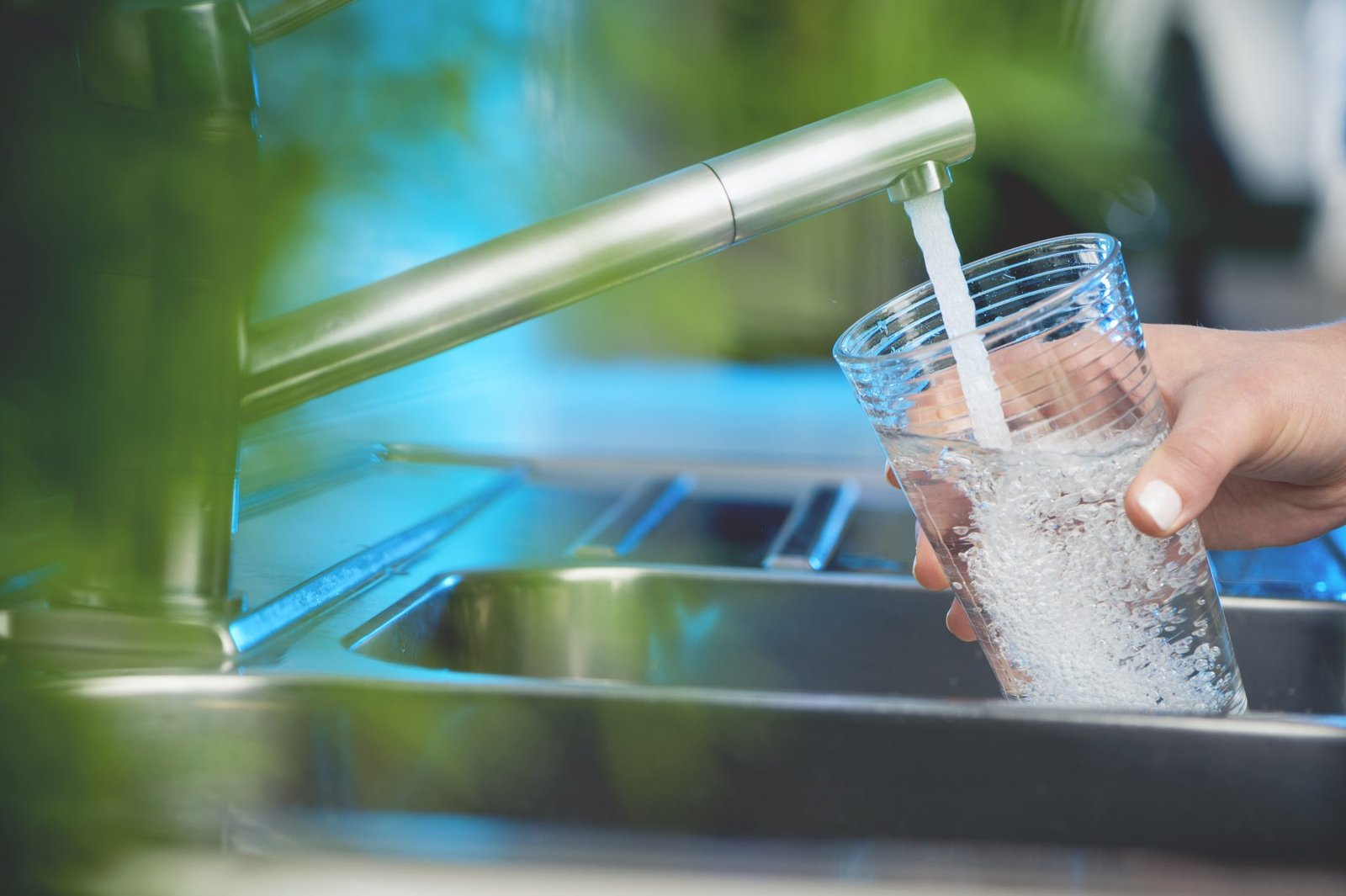
Filtration can also improve taste and odor. Chlorine, sulfur compounds, and certain contaminants can give water an unpleasant character. When those issues are addressed correctly, people often notice the difference immediately. Sometimes it’s as simple as filling a glass from the tap and realizing it actually tastes fresh.
Look for Reliable Performance, Not Just a Low Price
When comparing treatment systems, the cheapest option can be tempting. Nobody wants to spend more than necessary, after all. But the purchase price is only one part of the equation.
A system designed for the wrong water conditions may require frequent filter changes, repairs, or replacement parts. In contrast, reliable performance comes from matching the equipment to the actual water problem and household demand.
Capacity matters, too. A small point-of-use filter might be perfectly suitable for drinking water at the kitchen sink, while a larger family may need whole-home treatment. If the system is constantly pushed beyond its intended capacity, performance can suffer.
It’s also worth considering installation quality. Even an excellent filtration unit can cause trouble when it’s poorly sized, incorrectly installed, or not maintained according to the manufacturer’s recommendations.
Think About Predictable Costs Over Time
A water treatment system isn’t really a one-time purchase. Filters need changing, softeners may require salt or other maintenance, and mechanical components eventually wear out. Looking only at the initial price can therefore give you an incomplete picture.
Instead, consider predictable costs over the expected life of the system. Ask how often filters need replacement, what replacement cartridges cost, how much water the system uses during regeneration, and whether professional servicing is recommended.
Energy and water efficiency can matter as well. Some systems are designed to minimize wastewater or operate with more efficient regeneration cycles. Others may have higher operating requirements.
This doesn’t mean you should automatically choose the most expensive system. Far from it. The better approach is to compare the total ownership cost and decide whether the equipment offers sensible value for your particular needs.
Whole-Home or Drinking Water Treatment?
One of the biggest decisions is whether you need treatment throughout the house or only at specific taps.
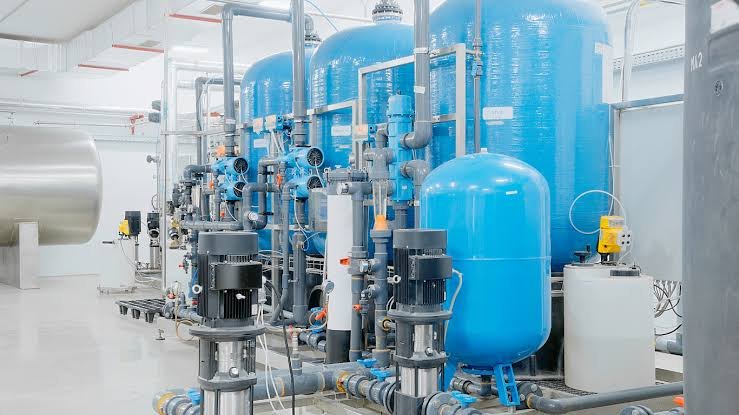
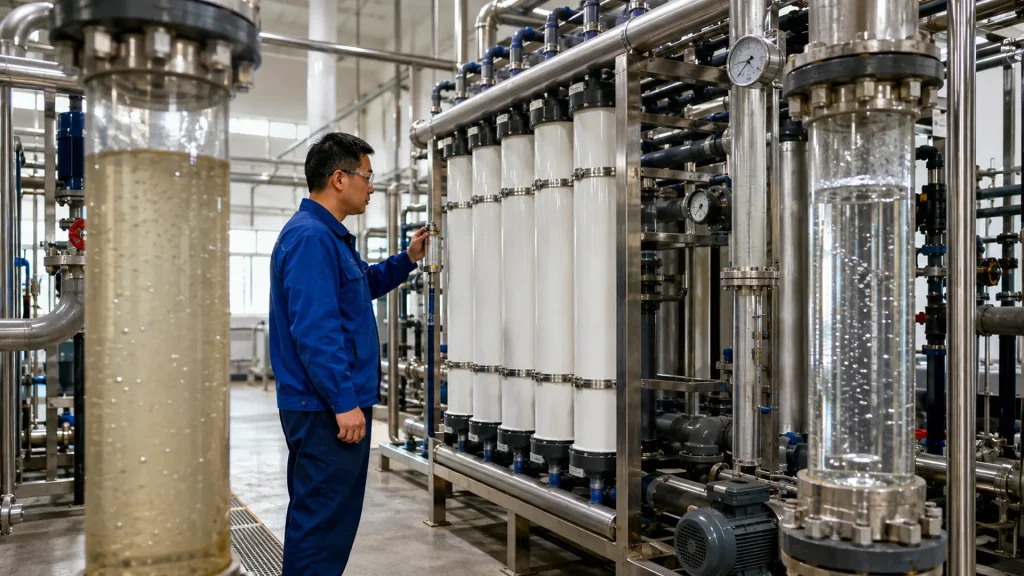
Whole-home systems treat water as it enters the property. This can make sense when you want to address issues such as hardness, sediment, chlorine, or certain contaminants across showers, bathrooms, laundry areas, and kitchens.
Point-of-use systems, meanwhile, focus on specific locations. Reverse osmosis systems are commonly installed under kitchen sinks when the main concern is drinking and cooking water.
Neither approach is automatically better. It depends on the problem. If hard water is damaging your fixtures, filtering just the kitchen tap won’t solve much. On the other hand, if your primary concern is drinking water, a full-house system might be more than you need.
Don’t Ignore Maintenance
Even the best water treatment equipment needs attention. Filters become less effective as they collect contaminants, and components can deteriorate when maintenance is ignored.
Set reminders for filter replacement and follow the manufacturer’s maintenance schedule. If your system uses a storage tank, membrane, UV lamp, salt, or other replaceable components, keep track of those requirements as well.
It’s also useful to watch for changes. A sudden difference in taste, pressure, odor, or water appearance may indicate that something needs checking.
A little maintenance now can prevent a much bigger problem later. It’s the same basic idea as changing the oil in a car—you don’t wait for the engine to complain loudly before doing it.
Water Quality Is About More Than Taste
People often associate good water with taste and appearance, but water quality involves much more. Some unwanted substances have no obvious color, smell, or flavor, which means your senses alone can’t tell you whether water is suitable for a particular purpose.
Regular testing is especially useful when water comes from a private well, when there has been a change in the source, or when local conditions raise concerns about contamination. Testing can also help confirm whether an existing treatment system is doing what it should.
The key is to avoid treating water blindly. Know the problem first, then choose the technology that addresses it.
Making a Smarter Water Treatment Decision
Buying a water treatment system doesn’t have to become an overwhelming technical exercise. Start with a water test. Consider how much water your household uses. Think about whether the problem affects the entire home or only drinking water. Then compare installation, maintenance, replacement parts, and long-term operating expenses.
And don’t overlook professional advice when the situation is complicated. A qualified water treatment specialist can often identify issues that aren’t obvious to a homeowner and recommend equipment based on actual conditions rather than a generic sales pitch.
At the end of the day, good water treatment is about confidence. You want to turn on the tap without wondering what you’re getting, protect the things connected to your plumbing, and avoid unnecessary expenses down the road.
That’s a fairly simple goal. The trick is choosing a system that quietly does its job—and keeps doing it long after the installation crew has left.