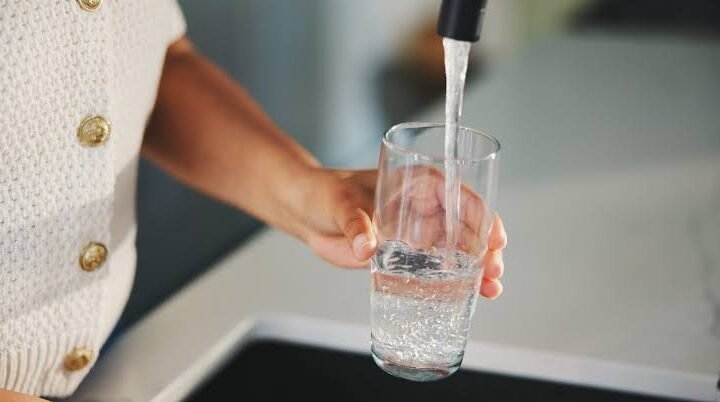
There’s something comforting about a cold glass of water on a warm afternoon. It should taste fresh, feel refreshing, and leave you wanting another sip. Yet, for many households, tap water doesn’t always deliver that simple pleasure. Sometimes there’s a faint chlorine smell, a metallic aftertaste, or a mineral flavour that becomes especially noticeable when making tea or coffee.
These small differences can affect everyday habits more than we realise. When water tastes unpleasant, people may drink less of it or turn to bottled alternatives, adding expense and plastic waste along the way. Fortunately, improving water quality doesn’t always require a complicated setup. The first step is understanding what’s affecting the water and choosing a solution that fits your home.
Why Water Doesn’t Always Taste the Same
Water can look perfectly clear and still have a noticeable flavour. That’s because taste depends on several factors, including naturally occurring minerals, disinfectants used during treatment, dissolved gases, and the condition of the pipes carrying water into your kitchen.
Chlorine, for instance, is commonly used to disinfect public water supplies. It plays an important role in controlling harmful microorganisms, but some people find its smell or taste unpleasant. Calcium and magnesium can contribute a mineral character, while iron may produce a metallic taste or reddish staining in certain conditions.
The source matters, too. Groundwater, surface water, and treated municipal supplies can have different characteristics. Even homes in the same neighbourhood may experience variations because of plumbing materials, storage tanks, or changes in water supply.
A sudden change deserves particular attention. If water develops an unusual smell, colour, or taste, don’t assume it simply needs a filter. Contact the water supplier or arrange appropriate testing, especially if the change affects multiple taps or follows plumbing work.
Start by Understanding Your Water
Before buying a filtration system, take a moment to identify the problem you’re trying to solve. Is the main issue a chlorine-like smell? Do you see white deposits around faucets? Does the water leave orange stains in the sink? Each symptom can point towards a different concern, and the treatment that works for one may not address another.
Testing can help clear up the uncertainty. Depending on the water source and local risks, an analysis may examine hardness, pH, iron, nitrate, microbial contamination, or other substances. Private wells and borewell supplies deserve particular attention because their quality can vary with local geology, weather, and nearby land use.
Taste alone is not a reliable safety test. Water containing certain contaminants may have no obvious smell or flavour, while harmless minerals can sometimes create an unpleasant taste. That’s why testing is more useful than guessing.
If your water comes from a public supply, review any available quality reports and consider whether household plumbing could be affecting what comes out of the tap. A clear understanding of the source gives you a much better starting point.
How Filtration Can Improve Everyday Water
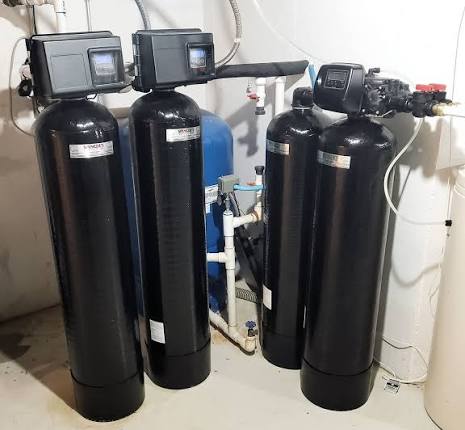
The phrase water filtration covers several different technologies, and they don’t all do the same job. A basic sediment filter captures particles such as sand, rust, and other suspended material. Activated carbon filters can reduce chlorine taste and odour, along with certain organic compounds, depending on the product and its certification.
Reverse osmosis systems use pressure to move water through a specialised membrane that rejects many dissolved substances. They can be useful when testing identifies contaminants that the particular system is designed and certified to reduce. However, they generally require more maintenance than a simple carbon filter and produce a wastewater stream.
There are also systems designed to address specific concerns, such as iron or hardness. A conventional water softener, for example, reduces calcium and magnesium through ion exchange. It is not the same as a drinking-water filter, and it won’t automatically solve every taste or contamination problem.
The important thing is to match the technology to the water. A household dealing mainly with chlorine flavour may not need a complex multi-stage system. Another home with high dissolved solids or a particular contaminant may require a more specialised solution.
Small Changes Can Make Water More Enjoyable
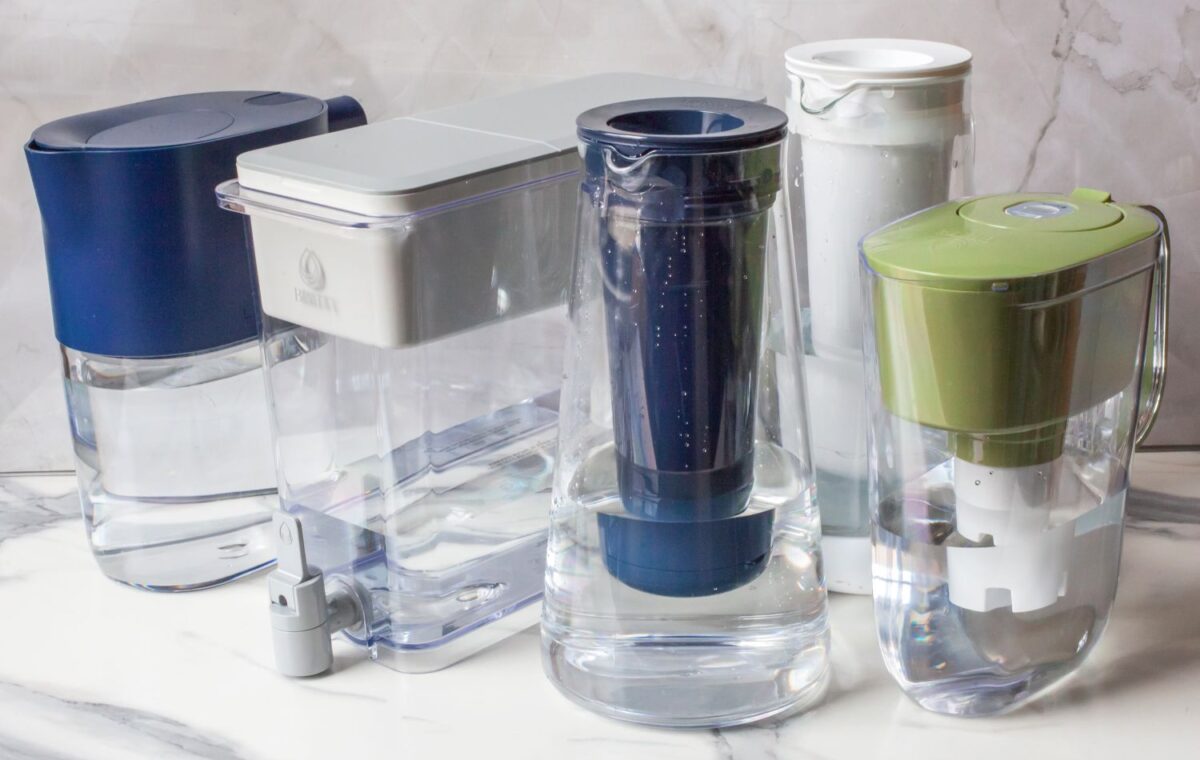
Not every improvement starts with installing equipment. Keeping drinking-water containers clean, rinsing reusable bottles regularly, and replacing old refrigerator filters on schedule can all help maintain a pleasant taste.
If you store water in a tank, make sure the tank is properly covered and cleaned at appropriate intervals. Poorly maintained storage can affect water quality even when the original supply is treated. Likewise, old or corroded plumbing may contribute unwanted tastes, so persistent problems deserve a closer look.
Temperature can influence flavour perception as well. Many people find cool water more refreshing than room-temperature water, although chilling won’t remove contaminants. If your tap water is already confirmed safe, storing a covered jug in the refrigerator may make it more appealing.
Coffee and tea offer another useful clue. If your morning brew tastes different from one week to the next, changes in water composition may be part of the reason. Water contributes significantly to the flavour of these drinks, so improving consistency can make a noticeable difference in the kitchen.
Choosing a System That Fits Your Household
When comparing products, look beyond broad claims about purity or advanced technology. Check which contaminants a system is independently certified to reduce, how much water it can produce, and how often its filters or other components need replacing.
Ongoing costs matter. A system with an attractive purchase price may require expensive replacement cartridges, while a more sophisticated model could involve professional servicing. Ask about installation, maintenance schedules, warranty coverage, and the availability of genuine replacement parts.
Consider how much water your household actually uses. A small unit may work well for one or two people, but a busy family could need a larger capacity or faster production rate. Space beneath the kitchen sink can also influence your choice, particularly if the system includes a storage tank.
For some households, great-tasting water comes from a straightforward carbon filter. Others benefit from reverse osmosis or a combination of treatment methods. There isn’t one perfect solution for everyone, and a trustworthy supplier should explain both the benefits and limitations of the recommended equipment.
Don’t Forget the Importance of Maintenance
Even the best system won’t perform indefinitely without proper care. Filters gradually collect particles or lose their ability to remove targeted substances. When replacement is delayed, water flow may slow, taste can change, and filtration performance may decline.
Follow the manufacturer’s instructions and pay attention to any warning indicators. If the water suddenly tastes different or the system starts leaking, investigate the cause rather than ignoring it. Where contamination is a concern, periodic testing of treated water can help confirm that the system continues to perform as intended.
Maintenance doesn’t have to be complicated, but it should be consistent. Keeping a simple record of filter changes and service visits makes it easier to stay on schedule.
A Better Glass of Water Starts with the Right Choice
Improving the water you drink is about more than taste. It’s about understanding what’s coming through your tap, making informed decisions, and creating a reliable routine that works for your household.
Start with the basics: identify your water source, investigate any unusual changes, and test for concerns that can’t be judged by appearance alone. Then choose treatment based on actual needs rather than marketing promises.
When drinking water tastes pleasant and comes from a properly maintained, suitable treatment system, staying hydrated can feel a little easier. You may also find yourself relying less on bottled alternatives and spending less time wondering whether your water needs attention.
The best approach is rarely the most complicated one. It’s the one that gives you confidence in your water, fits your budget, and keeps working long after the installation is finished.