Most of us don’t think much about the water coming out of the tap until something changes. Maybe the shower has developed an odd smell, the bathroom sink keeps turning orange, or a glass of drinking water tastes different from what you’re used to. At first, these things can seem minor. You clean the faucet, replace a filter, and carry on with your day. But when the same problems keep returning, it’s worth taking a closer look.
Water quality can vary considerably between homes, even within the same neighborhood. The source, local geology, plumbing, and existing treatment equipment all play a role. Understanding those differences is the first step toward choosing a solution that actually works rather than spending money on products that only address part of the problem.
Why One Water Filter Doesn’t Solve Everything
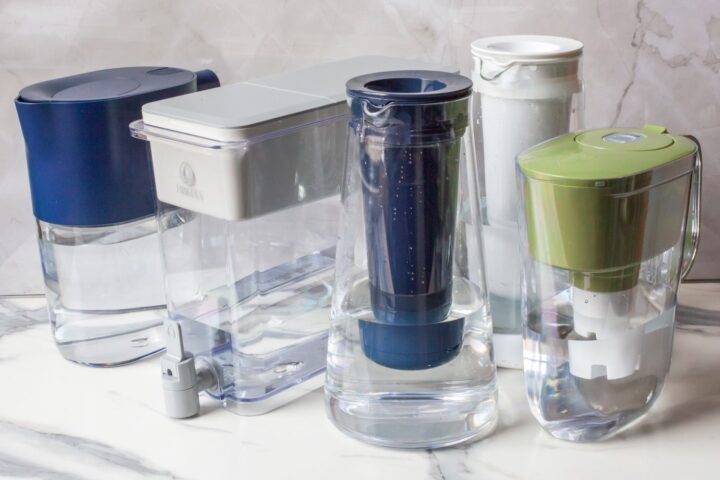
Water treatment isn’t a one-size-fits-all business. A filter that improves the taste of municipal water may do very little for a private well containing elevated mineral levels. Likewise, a system designed to capture visible particles won’t necessarily reduce dissolved substances or address microbial contamination.
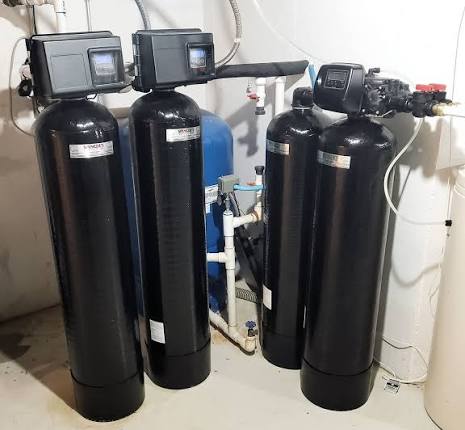
This is where specialty filtration can become useful. Instead of relying on a general-purpose product, homeowners can select treatment equipment designed for particular water conditions. Depending on the test results, that might involve activated carbon, sediment filtration, oxidation and filtration, water softening, or another targeted process.
The important word here is targeted. Before investing in equipment, find out what needs to be reduced and how the proposed system is expected to accomplish that. A trustworthy recommendation should explain the technology, its limitations, maintenance requirements, and the results you can reasonably expect.
It’s also worth remembering that a more complicated system isn’t automatically a better one. Sometimes a simple filter is enough. In other cases, two treatment stages may be needed because the water has several distinct issues. The goal is to treat the actual problem, not to install the most impressive-looking equipment in the catalog.
Understanding Unpleasant Water Odors
An unusual smell can make even clear-looking water unpleasant to use. Some homeowners notice a swimming-pool-like odor, while others describe something musty, earthy, or similar to rotten eggs. Each smell can have a different cause, so identifying it matters before choosing treatment.
Persistent sulfur odors are often associated with hydrogen sulfide, a gas that can occur naturally in groundwater. It may produce a rotten-egg smell and, in some circumstances, contribute to corrosion or staining. The source isn’t always the well itself, however. Water heaters, plumbing conditions, and other factors may also be involved.
A useful first step is to determine whether the odor appears at every faucet or only at one location. Check whether it occurs with cold water, hot water, or both. If the smell is limited to hot water, the water heater may deserve inspection. If it affects the entire property, testing the source water can help identify what is happening.
Treatment depends on the concentration and cause. Aeration, oxidation followed by filtration, and certain specialised filter media may be suitable in particular situations. Activated carbon can help with some odor-related concerns, but it shouldn’t be assumed to handle every level of hydrogen sulfide. A professional assessment can help determine which approach is appropriate.
If the odor appears suddenly or is accompanied by unusual discoloration, contact your water supplier or a qualified water professional. For private wells, appropriate testing is especially important before making a treatment decision.
What Causes Orange and Brown Stains?
Few household problems are as frustrating as cleaning an orange ring around a sink only to see it return a few days later. Similar marks can appear in toilets, bathtubs, laundry, and sometimes on dishes. Although several substances can cause staining, dissolved iron is a common possibility.
When iron in water comes into contact with oxygen, it can oxidize and form reddish-brown particles that settle on surfaces. The result may be rust-colored marks, metallic-tasting water, or deposits that build up inside plumbing fixtures. The severity depends on the amount present and the conditions within the water system.
Testing helps distinguish iron-related staining from other issues, including manganese or corrosion from plumbing components. That distinction matters because the treatment method needs to match the form and concentration of the substance involved.
Depending on the test results, treatment may involve oxidation and filtration, specialised media, or another suitable process. Some systems convert dissolved iron into particles that can then be captured by a filter. Other water conditions may require a different setup, particularly when manganese, hardness, or other substances are present at the same time.
Don’t choose equipment based on stain color alone. A water test provides a clearer picture and can help prevent unnecessary purchases. If the problem originates in corroded household plumbing rather than the source water, replacing a filter may not address the underlying cause.
Why Water Testing Should Come First
Buying treatment equipment before understanding the water is a bit like repairing a car without checking what’s wrong with it. You might get lucky, but you could also spend money and end up with the same problem.
Testing can examine characteristics such as hardness, pH, dissolved solids, iron, manganese, and other substances relevant to the water source. Private well owners may also need tests for bacteria, nitrates, and additional contaminants based on local risks. Municipal customers can begin by reviewing the supplier’s water-quality report, although that report may not reveal problems arising inside an individual home’s plumbing.
A basic in-home screening can be useful for certain characteristics, but it doesn’t replace laboratory analysis when health-related contaminants are a concern. Ask what the test measures, whether the results will be provided in writing, and whether further analysis is recommended.
Once the results are available, use them to compare treatment options. Look for clear performance claims and independent certifications relevant to the substances you want to reduce. If a provider cannot explain why a system is appropriate for your water, it may be worth getting another opinion.
Installation and Maintenance Are Part of the Solution
Even well-designed treatment equipment needs proper installation. A system must be sized for household demand, connected correctly, and positioned where it can be serviced without difficulty. Flow rate matters, too. A unit that works for a small household may not provide enough treated water when several bathrooms and appliances are being used simultaneously.
Maintenance should be considered before purchase, not after installation. Filters have limited service lives, specialised media may require replacement, and some systems need periodic cleaning or professional servicing. Skipping maintenance can reduce effectiveness and allow the original problem to return.
Keep a record of installation dates, replacement parts, service visits, and water-test results. It may seem like a small detail, but those records make future troubleshooting much easier.
Choosing With Confidence
Unpleasant odors, recurring stains, and other water-quality concerns can be frustrating, especially when the cause isn’t immediately obvious. Fortunately, they don’t have to turn into an endless cycle of buying products and hoping for the best.
Start with the water itself. Arrange appropriate testing, understand the findings, and compare treatment methods designed for the specific conditions you’ve identified. Ask about performance, maintenance, operating costs, and what the equipment cannot do.
The right solution isn’t necessarily the biggest or most expensive system. It’s the one that addresses the actual problem and remains practical to maintain. With reliable information and a little patience, you can make better decisions about your home’s water and spend less time dealing with the same issue again and again.