Category: Home Services

  • Why Long-Term Water Solutions Matter More Than a Quick Fix for Businesses

    Why Long-Term Water Solutions Matter More Than a Quick Fix for Businesses

    Water Is Often Overlooked Until Problems Appear

    Every business depends on water in one way or another. Sometimes the connection is obvious, like in restaurants, hotels, healthcare facilities, or manufacturing plants. Other times it’s less visible, quietly supporting employees, customers, equipment, and everyday operations behind the scenes.

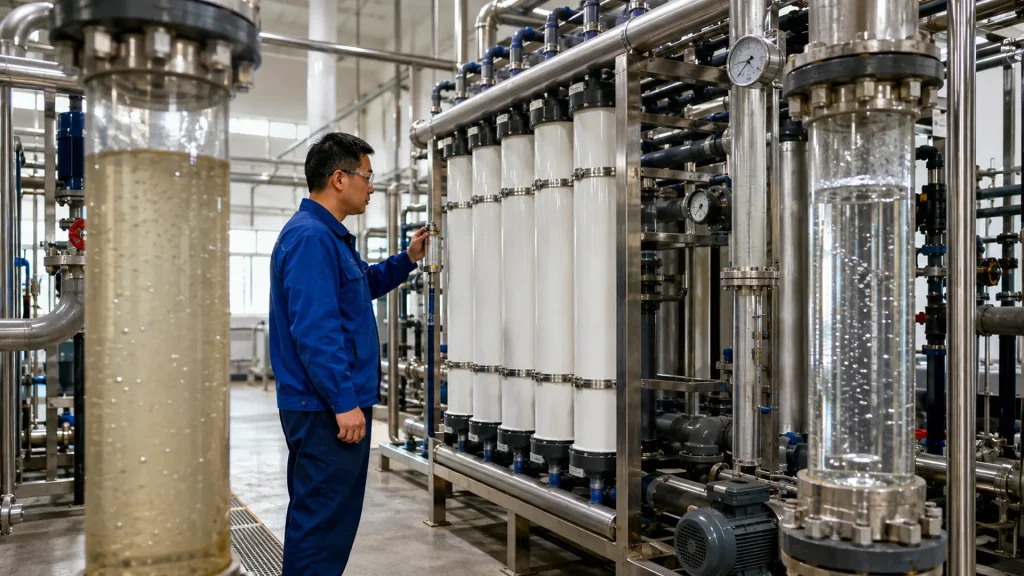
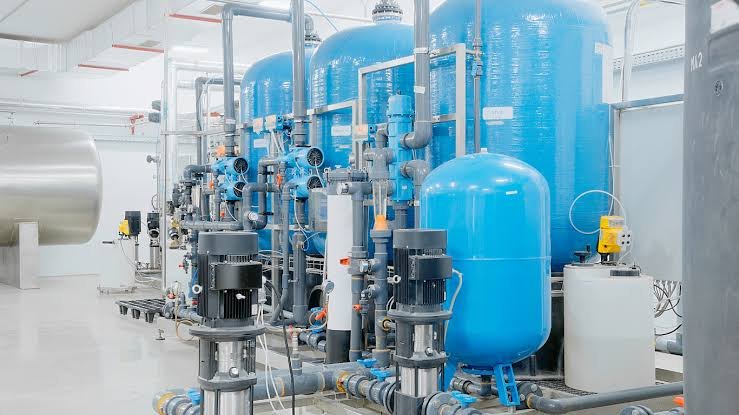
    commercial applications

    The funny thing about water is that when everything works properly, nobody talks about it. It becomes part of the background noise of daily business life. Faucets run, equipment operates, coffee machines brew, and everyone simply expects things to function.

    But the moment something changes—a drop in quality, unexpected maintenance issues, or inconsistent performance—water suddenly becomes a top priority.

    That’s often when business owners realize how deeply connected water is to efficiency, customer satisfaction, and operational success.

    The Ripple Effect of Water Quality

    It’s easy to think of water as a utility expense and nothing more. Yet its influence stretches much further than the monthly bill.

    Water touches countless aspects of daily operations. It impacts cleaning processes, equipment performance, food preparation, product quality, employee comfort, and customer experiences. In some industries, water quality can even affect compliance standards and production consistency.

    What makes water issues particularly challenging is that they don’t always announce themselves loudly. Sometimes the signs are subtle.

    Glassware becomes cloudy. Equipment requires more maintenance. Customers notice unusual tastes. Employees start mentioning recurring issues. Small inconveniences gradually add up until they become difficult to ignore.

    And that’s usually when businesses start looking for more permanent answers.

    Every Business Has Different Needs

    One of the biggest mistakes organizations make is assuming that every facility requires the same solution.

    A small café has different demands than a manufacturing plant. A hotel operates differently than a medical facility. Even two businesses within the same industry may have completely different water conditions and operational priorities.

    This is especially true when considering commercial applications where water usage patterns vary significantly.

    The amount of water being processed, the quality requirements, and the equipment involved all influence what type of solution makes sense. What works exceptionally well in one environment may provide limited benefits in another.

    That’s why thoughtful planning is often more important than simply purchasing the latest technology.

    Why Installation Is More Important Than Most People Think

    Business owners often spend considerable time evaluating equipment specifications, comparing features, and reviewing costs. Those steps matter, of course, but they’re only part of the equation.

    Even the most advanced water treatment equipment can struggle to deliver expected results if it’s installed incorrectly.

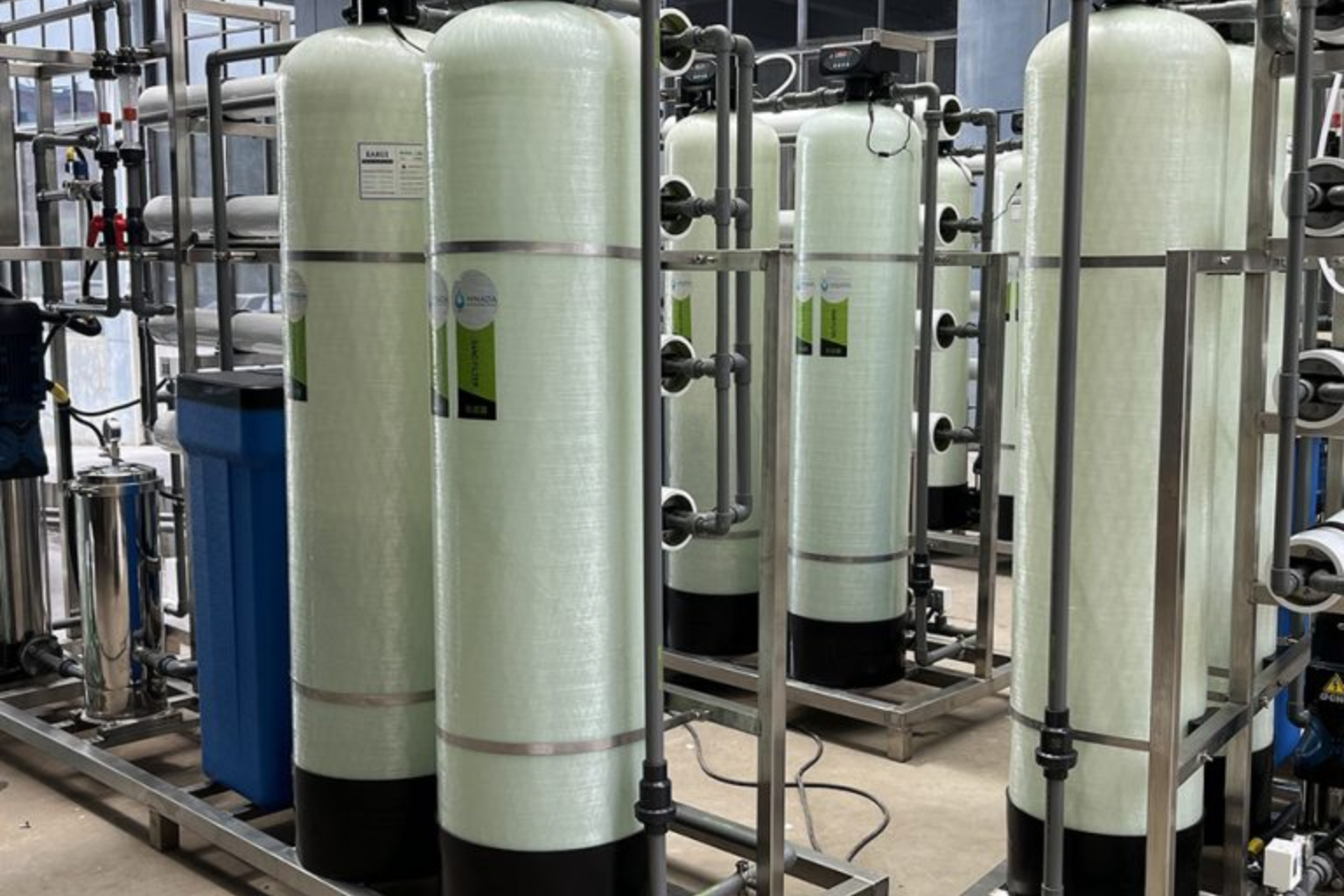
    That’s where professional installation becomes essential. Proper system sizing, plumbing integration, equipment placement, and configuration all contribute to overall performance. A well-designed installation helps ensure that equipment operates efficiently and supports the needs of the facility.

    In many cases, installation quality influences long-term success just as much as the equipment itself.

    It’s a bit like building a house. High-quality materials matter, but without a solid foundation, problems eventually appear.

    Looking Beyond Today’s Challenges

    Many businesses initially explore water solutions because they’re facing a specific issue.

    Perhaps equipment maintenance costs are increasing. Maybe water quality concerns are affecting customer experiences. Sometimes management simply wants greater consistency across operations.

    Those are all valid reasons to take action.

    However, the most successful organizations often look beyond the immediate problem. They consider how water quality influences long-term efficiency, operational reliability, and future growth.

    This broader perspective tends to produce smarter decisions because it focuses on sustainability rather than temporary fixes.

    Businesses rarely benefit from solving the same problem over and over again.

    Technology Has Changed What’s Possible

    The water treatment industry has evolved significantly over the years.

    Modern systems are more efficient, adaptable, and capable than many people realize. Today’s solutions can be tailored to address specific operational challenges while supporting different business objectives.

    What’s particularly interesting is how technology now allows businesses to gather better information about their water usage and system performance. Rather than relying on assumptions, organizations can make decisions based on actual data.

    That shift has helped many companies move from reactive maintenance toward proactive management.

    And when it comes to business operations, proactive usually wins.

    The Value of Ongoing Relationships

    Installing a system is only one chapter of the story.

    Like most infrastructure, water treatment equipment benefits from monitoring, maintenance, and periodic adjustments. Conditions change. Business demands evolve. Equipment ages.

    This is why ongoing support often becomes one of the most valuable aspects of a water treatment partnership.

    Reliable support helps businesses maintain performance, address emerging concerns, and adapt to changing operational requirements. Instead of waiting for problems to develop, organizations can stay ahead of them.

    That peace of mind has real value, particularly for facilities where water quality directly affects productivity or customer satisfaction.

    Sometimes knowing help is available is almost as important as the equipment itself.

    Small Improvements Create Big Results

    One of the most interesting aspects of water quality improvements is that the benefits often appear in unexpected places.

    Equipment may require less maintenance. Employees may experience fewer disruptions. Cleaning processes can become more efficient. Customers may notice improved consistency without understanding exactly why.

    None of these changes seem dramatic in isolation.

    Together, however, they can have a meaningful impact on operations, costs, and overall business performance.

    That’s why many organizations view water solutions not as a single purchase but as part of a larger operational strategy.

    The goal isn’t simply better water.

    The goal is a better business environment.

    Building Confidence for the Future

    Successful businesses thrive on consistency. Customers expect reliable experiences. Employees depend on functional systems. Managers need predictable operations.

    Water plays a larger role in that consistency than many people realize.

    When water systems operate effectively, businesses gain confidence. They spend less time reacting to problems and more time focusing on growth, service, and innovation.

    That confidence often becomes one of the most valuable outcomes of investing in long-term water solutions.

    Final Thoughts

    Water may not be the first thing business owners think about when planning for success, but its impact reaches nearly every corner of an organization. From operational efficiency and equipment performance to customer experiences and maintenance costs, water quietly influences daily business life.

    The most effective approach isn’t simply addressing problems when they occur. It’s creating a long-term strategy built around quality equipment, thoughtful planning, reliable installation, and continued support.

    At the end of the day, businesses that invest in dependable water solutions aren’t just improving water quality. They’re strengthening the foundation that supports everything else they do.

  • The Quiet Role Water Plays in Running a Business Smoothly

    The Quiet Role Water Plays in Running a Business Smoothly

    There’s a moment every business owner has at some point—not necessarily dramatic, but enough to make you pause. Something feels slightly off. Maybe equipment isn’t performing quite the way it used to. Maybe customers have started noticing small inconsistencies. Nothing urgent, but not something you can ignore either.

    And more often than you’d expect, water is somewhere in the middle of it.

    Not front and center. Not obvious. Just quietly influencing things in the background.

    When Water Stops Being “Just a Utility”

    In the early stages of a business, water is rarely a focus. It’s simply there—flowing, available, reliable. You don’t think much about it because you don’t have to.

    But as operations grow, so do expectations.

    Consistency becomes more important. Efficiency matters more. Small variations that once went unnoticed now start to stand out.

    That’s when business water treatment starts to shift from a technical option to a practical necessity.

    It’s not about overcomplicating things. It’s about making sure the water you rely on supports your operations instead of quietly working against them.

    Because once water quality starts affecting outcomes—even slightly—it’s no longer just a background detail.

    The Subtle Signs That Add Up

    The tricky part is that water-related issues rarely appear all at once. They show up in small, scattered ways.

    A piece of equipment needs servicing a bit earlier than expected. Cleaning takes more effort. Results vary just enough to notice, but not enough to immediately diagnose.

    Individually, these things don’t seem connected. But over time, they form a pattern.

    And that pattern often points to a need for water quality improvement.

    Not in a dramatic, overhaul-everything sense—but in a way that fine-tunes what’s already there.

    Better water doesn’t just improve one aspect of your business. It touches multiple areas at once—performance, efficiency, reliability.

    And the changes, while subtle, tend to stick.

    The Cost of Letting It Slide

    One of the biggest challenges businesses face is recognizing the cost of inaction.

    Because water issues don’t usually cause immediate failures. They’re gradual. A slow decline rather than a sudden stop.

    And that makes them easy to overlook.

    But over time, those small inefficiencies start to add up. More maintenance. Higher energy usage. Increased wear on equipment.

    It’s not a single expense—it’s a series of them, spread out in a way that makes them harder to notice but just as impactful.

    Addressing water quality early isn’t about avoiding disaster. It’s about avoiding unnecessary friction.

    Keeping Things Running Without Constant Attention

    Here’s something that often gets underestimated: consistency.

    In business, consistency is what keeps things predictable. It’s what allows you to focus on growth instead of constantly fixing problems.

    And when it comes to water systems, consistency often comes from ongoing care rather than one-time fixes.

    That’s where maintenance contracts start to make sense.

    They’re not about adding complexity. They’re about simplifying responsibility.

    Instead of remembering when to check, replace, or adjust components, you have a structured approach that keeps everything running as it should.

    It’s a small shift, but it frees up time and mental space—two things every business needs more of.

    A System That Works With You

    What I’ve noticed is that businesses don’t necessarily need the most advanced systems. They need the right systems.

    Something that fits their specific operations. Something that addresses their actual challenges, not just theoretical ones.

    That might mean targeted filtration for one process, or a broader solution that supports multiple areas at once.

    The key is alignment.

    When your water system aligns with your business needs, everything feels smoother. Less guesswork, fewer interruptions, more confidence in your daily operations.

    The Human Side of Operational Efficiency

    It’s easy to think about water in purely technical terms—filters, systems, performance metrics.

    But there’s also a human side to it.

    Employees notice when things run smoothly. Customers notice when quality is consistent. Even small improvements in daily operations can create a better overall experience.

    And while water might not be the first thing people think about, it often plays a role in how those experiences unfold.

    Making the Shift Without Overthinking It

    One of the reasons businesses delay addressing water quality is because it feels like a big decision.

    And in some ways, it is. But it doesn’t have to be overwhelming.

    It can start with a simple evaluation. Understanding what’s happening, where improvements can be made, and what options are available.

    From there, decisions become clearer.

    It’s not about jumping into a complex system overnight. It’s about taking steps that make sense for your current situation.

    A Better Foundation for Growth

    At its core, improving water quality isn’t about solving a problem—it’s about strengthening a foundation.

    When something as fundamental as water is optimized, it supports everything else more effectively.

    Processes become more reliable. Equipment lasts longer. Daily operations feel less like a series of adjustments and more like a steady flow.

    And that kind of stability creates space for growth.

    The Quiet Advantage

    In the end, water isn’t the most visible part of your business. It doesn’t attract attention or recognition.

    But it matters.

    Because it touches so many aspects of what you do, often without being noticed.

    And when it’s working in your favor, the difference shows up everywhere—just not in obvious ways.

    Less downtime. More consistency. A smoother path forward.

  • Learning to Trust Your Tap Again: A Practical, Human Approach to Better Water at Home

    Learning to Trust Your Tap Again: A Practical, Human Approach to Better Water at Home

    There’s a moment most homeowners experience, though it rarely feels like a big deal at first. You pour a glass of water, take a sip, and pause—just for a second. Maybe it tastes slightly different. Maybe it doesn’t, but something nudges you to think about it anyway.

    And that’s how it starts. Not with a problem, but with a question.

    What’s actually in my water?


    The Quiet Role Water Plays in Everyday Life

    Water is one of those things that fades into the background when it’s working well. You use it constantly—drinking, cooking, cleaning, showering—without really noticing it.

    But the moment something feels off, even slightly, it becomes impossible to ignore.

    A faint smell. A little residue. A taste you can’t quite place. These aren’t emergencies, but they are signals. And learning to understand those signals is where everything begins.

    That’s why water testing education matters more than most people realize. It’s not about turning your home into a lab—it’s about gaining just enough knowledge to feel confident in what you’re using every day.


    Why Awareness Changes Everything

    Most people don’t think about their water until they have to. And even then, it’s easy to jump straight into solutions—filters, systems, upgrades—without really understanding the situation.

    But awareness has a way of simplifying things.

    When you know what’s in your water, you stop guessing. You stop wondering if a change is necessary or if you’re just overthinking it. Instead, you make decisions based on actual information.

    And that shift—from uncertainty to understanding—makes the entire process feel less overwhelming.


    Small Habits That Make a Big Difference

    Taking care of your water doesn’t have to be complicated. In fact, the most effective approach is often the simplest.

    Pay attention to changes. Notice patterns. Test your water occasionally. These small actions fall under what I’d call homeowner water care—not a strict routine, but a mindset.

    You’re not trying to control every variable. You’re just staying aware of what’s happening in your home.

    And over time, that awareness becomes second nature.


    Understanding What “Better” Really Means

    It’s easy to assume that better water means perfect water. But perfection isn’t really the goal.

    What most people want is consistency. Water that tastes clean, feels comfortable, and doesn’t create unnecessary hassle.

    That’s where the idea of improved water quality comes in. It’s not about chasing an ideal standard—it’s about making your water work better for your daily life.

    Sometimes that means addressing hardness. Sometimes it’s about taste or clarity. And sometimes, it’s simply about peace of mind.


    Why One Solution Doesn’t Fit Every Home

    Here’s something that often gets overlooked: water isn’t the same everywhere.

    Two homes in the same neighborhood can have different experiences based on plumbing, usage, or even small variations in supply. That’s why copying someone else’s setup doesn’t always work.

    Your water has its own characteristics. And your solution should reflect that.

    This is where testing and observation come together. They help you understand your specific situation, so you’re not relying on guesswork or general advice.


    The Balance Between Doing Too Much and Too Little

    When people start paying attention to their water, they often swing between extremes. Either they ignore the issue completely, or they dive into complex systems that may not be necessary.

    The truth usually sits somewhere in the middle.

    You don’t need to fix everything at once. And you don’t need the most advanced setup available. You just need something that addresses the issues you’re actually experiencing.

    Start small. Adjust as needed. Keep it practical.


    The Subtle Changes That Add Up Over Time

    One of the interesting things about improving water quality is how quietly it affects your life.

    You might not notice a big difference right away. But over time, the changes become clear. Your dishes look cleaner. Your skin feels more comfortable. Your appliances seem to run more smoothly.

    These aren’t dramatic shifts. They’re gradual improvements that make your home feel easier to live in.

    And once you get used to that, it becomes your new normal.


    Maintenance: The Part That Keeps It All Working

    No matter what approach you take, there’s always a bit of maintenance involved. Filters need replacing. Systems need occasional checks. It’s not complicated, but it does require some consistency.

    Think of it as part of taking care of your home. A small effort that keeps everything running the way it should.

    And once it becomes routine, it doesn’t feel like a task anymore.


    Listening to What Your Home Is Telling You

    Your home is constantly giving you feedback, if you’re willing to notice it.

    The way your water looks, feels, and behaves—it’s all information. You don’t need to analyze it perfectly, just pay attention.

    Because once you start noticing those patterns, the next steps become much clearer.


    A Final Thought, Kept Simple

    At the end of the day, improving your water isn’t about chasing perfection or overcomplicating things.

    It’s about understanding what you have, making small adjustments where needed, and creating a home environment that feels comfortable and reliable.

    Because water isn’t just something you use—it’s something you live with.

    And when it works the way it should, you stop thinking about it altogether.

    Which, in its own quiet way, is exactly the goal.

  • The Quiet Shift Toward Better Water at Home

    The Quiet Shift Toward Better Water at Home

    You don’t usually notice your water when it’s doing its job.

    It’s just there—running through taps, filling kettles, steaming up showers. Reliable, familiar, almost invisible. But every now and then, something feels a little off. Maybe the taste isn’t quite right, or your skin feels unusually dry after a shower. Nothing alarming, just… noticeable.

    And that’s often where the journey begins.

    Not with a big problem, but with a small question: Could this be better?

    When “Good Enough” Stops Feeling Enough

    For a long time, most of us accepted whatever came through the tap as good enough. Municipal systems do their job, after all. They treat water, ensure it’s safe, keep things flowing.

    But “safe” doesn’t always mean ideal.

    There can still be traces of chlorine, minerals, or other elements that affect taste, smell, or how water interacts with your home. Over time, those little things start to stand out.

    You might find yourself buying bottled water more often. Or experimenting with filters that promise quick fixes. Sometimes they help. Sometimes they don’t quite get you where you want to be.

    That’s when curiosity turns into intention.

    Understanding What’s Really in Your Water

    Before you can improve your water, you have to understand it.

    And that’s where modern water purification technology comes into play. It’s not just about filtering anymore—it’s about identifying specific issues and addressing them with precision.

    Different homes have different needs. Some deal with hard water, others with chemical tastes, others with sediment or odor. The solution isn’t universal, and that’s actually a good thing.

    Because once you understand what’s in your water, you can start making decisions that actually make sense for your situation.

    The Subtle Art of Improving Daily Life

    What’s interesting about better water is how quietly it improves things.

    There’s no dramatic “before and after” moment. It’s more like a series of small upgrades that sneak into your routine.

    Your tea tastes cleaner. Your soap lathers more easily. Your laundry feels softer without extra effort.

    These aren’t life-changing events on their own. But together, they create a noticeable shift—one that makes your home feel just a little more comfortable, a little more aligned.

    Why Reducing the Right Things Matters

    Not everything in water needs to be removed.

    That’s an important point.

    The goal isn’t to strip water down to nothing—it’s to reduce contaminants that interfere with quality, while preserving what makes water feel natural and balanced.

    This is where thoughtful systems stand apart from generic ones. They don’t just filter everything blindly; they target specific elements that are causing issues.

    And that level of control makes a difference.

    Because when water is treated with intention, the results feel more natural, less forced.

    Beyond Taste: The Hidden Benefits

    Taste is often the first thing people notice, but it’s not the only benefit.

    Better water can also mean less buildup in pipes and appliances. Fewer stains on fixtures. Longer-lasting equipment.

    It’s the kind of improvement that works behind the scenes.

    You might not think about it every day, but over time, you’ll notice fewer problems. Fewer small annoyances that used to feel normal.

    And that’s when it really starts to sink in—how much water quality affects the overall experience of your home.

    Finding What Works for You

    There’s no single “best” system for everyone.

    Some homes benefit from simple filtration. Others need more advanced solutions. It depends on your water source, your usage, your expectations.

    And that’s okay.

    The key is not to chase perfection, but to find something that works for your life. Something that fits into your routine without adding complexity.

    That’s where healthier water solutions come into focus.

    They’re not about chasing trends or installing the most advanced system available. They’re about creating a setup that feels right—practical, effective, and easy to live with.

    The Emotional Side of Water

    It might sound strange, but water has an emotional side too.

    It’s part of your morning routine. Your evening wind-down. The small rituals that shape your day.

    When your water feels right, those moments feel better.

    There’s a quiet satisfaction in knowing that something so essential is working exactly as it should.

    A Shift You Don’t Want to Undo

    Once you’ve experienced better water, it’s hard to go back.

    Not because the difference is dramatic, but because it’s consistent.

    Everything just works a little more smoothly. A little more predictably.

    And over time, that becomes your new baseline.

    A Different Way to Think About Water

    Maybe the biggest change isn’t in the water itself.

    It’s in how you think about it.

    Instead of seeing it as something fixed, something you have to accept as-is, you start to see it as something adaptable. Something that can be improved, refined, shaped to better fit your home.

    And that shift opens up possibilities.

    Not overwhelming ones. Not complicated ones.

    Just small, meaningful improvements that make everyday life feel a bit more comfortable.

    Where It All Leads

    At the end of the day, better water isn’t about technology or systems or specifications.

    It’s about how your home feels.

    It’s about the ease of your routines, the comfort of your space, the quiet confidence that something essential is working the way it should.

    And once you get there, you realize something simple—

    Water doesn’t need to be perfect.

    It just needs to be right for you.

  • Why the Water at Your Tap Can Shape More of Your Daily Life Than You Realize

    Why the Water at Your Tap Can Shape More of Your Daily Life Than You Realize

    It’s easy to forget how central water is to everything we do at home. You wake up, make tea or coffee, wash your face, rinse vegetables, maybe toss a load of laundry into the machine — and water quietly supports all of it without demanding attention. Most of the time, we only notice it when something feels off. A strange taste, a slight odor, or just that subtle sense that your water isn’t quite as fresh as it could be.

    And once that awareness hits, it tends to stick. Because water isn’t just about hydration. It influences cooking, cleaning, personal comfort, and even long-term health habits. It’s woven into everyday routines in ways we rarely stop to consider.

    The Quiet Difference Between “Safe” and “Satisfying”

    Municipal water systems do an excellent job ensuring water safety. They remove harmful bacteria, regulate chemical levels, and monitor quality carefully. That’s why most tap water is considered safe to drink.

    But safety and satisfaction aren’t always the same thing.

    Water can still contain dissolved minerals, chlorine residues, and trace particles that affect taste and overall experience. It may be perfectly safe, yet still feel flat or slightly chemical.

    This is often why homeowners begin exploring filtration options — not because something is wrong, but because they want their water to feel cleaner, fresher, and more enjoyable.

    Why Taste Matters More Than We Think

    One of the most noticeable changes people experience after improving water quality is taste. It’s subtle, but once you notice it, it’s hard to ignore.

    Coffee becomes smoother. Tea tastes more delicate. Even simple drinking water feels more refreshing.

    Some homeowners choose alkaline filters specifically for this reason. These filters not only remove impurities but also adjust water pH levels, which can influence flavor and mouthfeel.

    Many people describe alkaline-filtered water as tasting lighter and more balanced — a small change that can make daily hydration feel more pleasant.

    And interestingly, when water tastes better, people naturally drink more of it. It’s one of those quiet lifestyle improvements that happens almost automatically.

    Targeted Solutions for Everyday Convenience

    While whole-home systems address water quality broadly, many households prefer solutions that focus specifically on drinking water.

    That’s where point-of-use filtration comes into play. These systems are installed directly at a specific tap — often the kitchen sink — providing filtered water exactly where it’s needed most.

    This approach allows homeowners to enjoy high-quality drinking water without modifying the entire plumbing system.

    Point-of-use filters are especially popular in apartments, smaller homes, or situations where comprehensive installations may not be practical.

    They offer a balance between convenience, affordability, and effective filtration.

    The Importance of Consistency

    Another aspect of water quality that often goes unnoticed is consistency. It’s not just about having clean water occasionally — it’s about ensuring reliability throughout the day.

    Modern filtration systems are designed to provide continuous clean water without interruptions. Advanced filters can handle varying water demands, ensuring consistent performance even during heavy usage periods.

    This reliability is particularly valuable for households with active routines — multiple family members, frequent cooking, or high daily water consumption.

    Knowing that clean water is always available removes uncertainty from everyday life.

    Beyond Drinking: Everyday Benefits You Might Not Expect

    Improved water quality doesn’t just enhance drinking experiences. It can influence many aspects of daily life.

    Cooking becomes more enjoyable when ingredients aren’t affected by residual chemicals. Ice cubes freeze clearer. Washing fruits and vegetables feels more reassuring.

    Even appliances can benefit indirectly. Cleaner water reduces mineral buildup, helping maintain efficiency and extend equipment lifespan.

    These practical advantages often become apparent gradually, as everyday routines start requiring less effort.

    Environmental and Financial Advantages

    Investing in filtration systems also offers environmental benefits. Reliable access to clean water at home reduces dependence on bottled water, significantly lowering plastic waste.

    Over time, households can also save money by reducing bottled water purchases and minimizing maintenance costs associated with scale buildup in appliances.

    Many modern filtration systems are designed to operate efficiently, minimizing water waste during treatment processes.

    This combination of sustainability and practicality makes filtration an appealing option for environmentally conscious homeowners.

    Technology Is Making Water Care Smarter

    Advancements in filtration technology have made water treatment more efficient and user-friendly than ever before.

    Some systems now include digital monitoring features that track filter performance, water usage patterns, and maintenance needs.

    Others incorporate multi-stage filtration processes, combining sediment removal, activated carbon treatment, and advanced purification methods.

    These innovations ensure consistent water quality while requiring minimal effort from homeowners.

    The Emotional Comfort of Reliable Water

    Beyond technical and practical benefits, there’s an emotional dimension to improved water quality.

    There’s reassurance in knowing that the water flowing through your home is consistently clean and reliable. It removes small daily worries and allows routines to feel smooth and predictable.

    Guests feel comfortable drinking from the tap. Cooking feels more enjoyable. Hydration becomes effortless.

    These subtle improvements contribute significantly to overall household well-being.

    Appreciating What Flows Through Your Tap

    Water may seem like the simplest part of daily life, yet it influences comfort, health, and convenience in countless ways.

    By investing in effective filtration solutions, homeowners can transform water from a basic necessity into a dependable source of refreshment and confidence.

    Because in the end, clean, reliable water isn’t just something you use — it’s something you experience, every single day.

  • What Really Changes When You Filter Every Drop: A Practical Look at Whole-House Water Systems

    What Really Changes When You Filter Every Drop: A Practical Look at Whole-House Water Systems

    Most of us don’t think much about water until it gives us a reason to. A faint chlorine smell in the shower. Cloudy ice cubes. A stubborn film on freshly washed dishes. It’s rarely dramatic — just small, persistent annoyances that quietly become part of daily life.

    But every now and then, someone asks a bigger question: what if the issue isn’t the soap, the dishwasher, or the plumbing — what if it’s the water itself?

    That’s usually when the conversation turns to whole-house filtration.

    Starting With the Basics

    If you’ve ever searched for whole house water filtration explained, you probably encountered a mix of technical diagrams and bold claims. Let’s strip it down to something simpler.

    A whole-house system filters water at the point it enters your home. Instead of treating only the water at your kitchen sink, it treats every tap, every shower, every load of laundry. From the hose outside to the bathroom upstairs, everything flows through a central filtration system first.

    It’s a different philosophy. Rather than targeting just drinking water, it addresses overall water quality across the entire house.

    And that shift matters more than people often realize.

    The First Thing People Notice

    When water is filtered before it reaches fixtures, one of the earliest visible changes is improved water clarity. Glasses look cleaner. Ice cubes appear clearer instead of hazy. Even the water in your bathtub looks less dull under bathroom lights.

    Clarity isn’t always about safety. Sometimes it’s about sediment — tiny particles of sand, rust, or debris that sneak into municipal lines or well systems. These particles aren’t necessarily harmful, but they can affect how water looks and feels.

    Sediment filters within whole-house systems trap those particles before they circulate through your plumbing. The result? Cleaner-looking water and less grit collecting in faucet screens.

    It’s subtle. But once you see the difference, you can’t unsee it.

    More Than Just Drinking Water

    One common misconception is that filtration only matters for what you consume. But water touches far more than your glass.

    You shower in it. You wash your clothes in it. You rinse vegetables under it. Steam rises from it while you cook. When filtration happens at the source, it improves all of those interactions.

    Chlorine reduction, for example, can make showers feel gentler on skin and hair. Hardness reduction (when paired with softening) can help prevent mineral buildup in pipes and appliances.

    Suddenly, you’re not just drinking cleaner water — you’re living with it.

    The Safety Conversation

    It’s important to be realistic here. Municipal water systems are regulated and monitored. They meet safety standards in most regions. But “meeting standards” doesn’t always mean optimized for your home’s specific needs.

    That’s why some homeowners explore filtration systems with home water safety in mind. Not out of panic — but out of caution.

    Older plumbing systems, regional contaminants, or specific well-water concerns can influence water quality. A whole-house filtration setup can provide an added layer of reassurance, especially for families with children or individuals with sensitive skin.

    Testing your water is always the smartest first step. It tells you what’s actually present and whether a comprehensive solution makes sense.

    Protecting What You Can’t See

    There’s another side to this conversation that rarely gets attention: infrastructure.

    When sediment and impurities flow through your plumbing system unchecked, they can gradually contribute to wear and tear. Fixtures clog. Water heaters accumulate scale. Pipes experience additional strain.

    By filtering water at the entry point, you reduce the burden on appliances and plumbing components. It’s preventative rather than reactive.

    No one likes calling a plumber for an emergency repair. If better filtration can reduce that risk, it becomes more than a cosmetic upgrade.

    Maintenance Isn’t Complicated

    Whole-house systems sound complex, but most are designed with practical maintenance in mind. Filters typically need replacing every few months or annually, depending on usage and water quality.

    It’s not a daily chore. It’s more like seasonal upkeep — manageable and predictable.

    And compared to scrubbing scale from fixtures or replacing damaged appliances, it feels like a fair trade.

    Is It Worth It?

    That depends on your priorities and your water profile.

    If your water already tastes clean and shows minimal sediment, a whole-house system might not feel urgent. But if you’ve noticed persistent cloudiness, odors, or mineral buildup, it’s worth investigating.

    The beauty of whole-house filtration is its comprehensiveness. Instead of solving one symptom at a time — a filter here, a softener there — you address the root source.

    It’s a foundational upgrade.

    A Quiet Shift in Daily Life

    After installation, something interesting happens: you stop thinking about it.

    You turn on the tap without hesitation. You shower without noticing chlorine in the steam. You rinse dishes without seeing cloudy streaks afterward.

    The change isn’t loud or dramatic. It’s steady. Subtle. Comforting.

    Water is one of the few things in your home that touches nearly every aspect of daily life. Improving it doesn’t require a complete renovation. Just thoughtful evaluation and the right system for your situation.

    In the end, whole-house filtration isn’t about chasing perfection. It’s about creating a home environment where the basics — the things you rely on every day — feel reliable and clean.

    And once that foundation is in place, everything else flows a little more smoothly.

  • Why Great Service Isn’t Just About Fixing Problems — It’s About How People Feel After

    Why Great Service Isn’t Just About Fixing Problems — It’s About How People Feel After

    There’s a quiet moment that happens after a repair technician packs up their tools and walks out the door. The noise fades, the stress settles, and the house feels normal again. It’s not dramatic, but it’s deeply satisfying — like finally exhaling after holding your breath too long.

    That moment says a lot about what truly defines great service.

    It’s not just about solving a problem. It’s about how the experience leaves you feeling when it’s over.

    Because in the end, people don’t just remember the repair. They remember the way they were treated.


    The Emotional Side of Service That Businesses Often Forget

    Most companies focus heavily on technical skills — speed, efficiency, accuracy. All important, sure. But customers rarely talk about these things first.

    They talk about how someone listened to them.

    Whether the technician explained things clearly.

    Whether they felt respected in their own home.

    Service, when done well, has an emotional layer that’s often invisible but incredibly powerful.

    It’s the difference between “They fixed it” and “They took care of us.”


    Why Expectations Shape the Entire Experience

    Customer expectations start forming long before a technician arrives.

    They begin when someone searches for help, reads reviews, or makes that first phone call.

    Was the person on the line patient? Did they sound rushed? Were questions answered clearly?

    Small interactions matter more than most businesses realize. They set the tone for trust.

    And when expectations are handled thoughtfully from the beginning, the entire experience tends to unfold more smoothly.


    The Role of Communication in Building Confidence

    Clear communication can transform even a stressful situation into a manageable one.

    When people understand what’s happening — what went wrong, what needs to be done, how long it will take — they feel calmer.

    Technicians who take the time to explain problems in simple terms don’t just provide information.

    They provide reassurance.

    That reassurance often becomes the foundation of service satisfaction, because customers feel informed rather than left in the dark.


    Why Professional Credentials Matter More Than People Think

    There’s a subtle comfort that comes with knowing someone is truly qualified for the job.

    Professional credentials aren’t just formalities — they represent training, experience, and accountability.

    Working with licensed technicians gives customers confidence that repairs meet safety standards and industry regulations.

    But beyond that, licensing signals professionalism. It shows commitment to doing things the right way, not just the fast way.

    That distinction matters, especially when safety is involved.


    How Small Gestures Create Lasting Impressions

    Sometimes, what customers remember most isn’t the repair itself.

    It’s the small details.

    Taking off shoes before entering the home.

    Cleaning up after the job is done.

    Checking twice to ensure everything works properly.

    These gestures might seem minor, but they communicate respect and care.

    They tell customers, without words, that their home and time are valued.

    And those impressions often last longer than the repair itself.


    The Hidden Value of Consistency

    Consistency is one of the strongest indicators of quality service.

    Anyone can provide a good experience once.

    But businesses that deliver reliability again and again build real trust.

    Consistent service means showing up on time, communicating clearly, and solving problems effectively — every single time.

    Over time, this reliability turns first-time customers into loyal ones.

    And loyalty, in service industries, is priceless.


    Why Customer Feedback Is a Powerful Tool

    Feedback isn’t just about ratings — it’s about understanding real experiences.

    Businesses that actively listen to customer feedback can identify areas for improvement and strengthen their service processes.

    More importantly, feedback allows companies to see their work from the customer’s perspective.

    This perspective often reveals insights that internal evaluations might miss.

    And when customers see their feedback taken seriously, they feel valued.


    The Connection Between Trust and Long-Term Relationships

    Trust doesn’t develop instantly.

    It builds gradually through repeated positive experiences.

    When customers feel confident that a company will treat them fairly, communicate honestly, and solve problems effectively, they’re more likely to return.

    These long-term relationships create stability for both businesses and customers.

    Customers gain reliable support, while businesses gain loyal advocates.


    How Positive Experiences Spread Naturally

    Word-of-mouth remains one of the most powerful forms of marketing.

    People naturally share good experiences with friends, family, and neighbors.

    They recommend companies that made them feel respected and supported.

    This organic promotion often creates communities of satisfied customers who trust and endorse the same service providers.

    It’s a cycle that grows stronger with every positive interaction.


    Why Service Quality Is About More Than Results

    In many industries, outcomes matter most.

    But in service-based businesses, the journey matters just as much as the result.

    Two companies might fix the same issue equally well — but the one that communicates better, shows empathy, and treats customers respectfully will always stand out.

    Because people remember how they were treated long after the technical details fade.


    The Future of Customer Service Is Human, Not Just Efficient

    As technology continues to advance, automation and efficiency are becoming more common.

    Yet, ironically, this makes human connection even more valuable.

    Customers increasingly appreciate genuine interactions — conversations that feel real, attentive, and personal.

    Businesses that prioritize empathy alongside efficiency are more likely to build lasting trust.

    And trust, ultimately, is what defines great service.


    The Lasting Impact of a Positive Service Experience

    At its core, great service is about peace of mind.

    It’s about knowing that when something goes wrong, someone reliable will step in to help.

    That sense of security extends far beyond the immediate repair.

  • What Really Happens at Design Trade Shows (And Why They Matter More Than You Think)

    What Really Happens at Design Trade Shows (And Why They Matter More Than You Think)

    There’s a particular kind of energy in a massive exhibition hall filled with designers, architects, brand founders, and curious creatives. You hear it before you fully process it — the low hum of conversations, the clink of glassware at networking events, the shuffle of people stopping mid-aisle because something caught their eye.

    Trade shows might sound corporate on paper. But step inside one, and you’ll quickly realize they’re part inspiration, part business strategy, part cultural snapshot.

    If you work in interiors — or even if you’re just design-obsessed — these gatherings are more than just booths and brochures. They’re living ecosystems where ideas collide and directions shift in real time.


    A First Glimpse of What’s Next

    One of the most obvious draws of interior design trade shows is early access. Before products hit mainstream stores, before Pinterest boards fill with new styles, these spaces quietly reveal what’s coming.

    New material finishes. Unexpected color pairings. Innovative lighting concepts. Sustainable textiles that feel nothing like their eco-friendly predecessors.

    But what’s fascinating isn’t just the products themselves — it’s the patterns that emerge. You start noticing repetition. A certain tone appearing across multiple brands. A shared interest in curved silhouettes. A return to handcrafted details.

    That’s when you realize you’re not just looking at isolated ideas. You’re witnessing the early formation of movement.


    Reading Between the Booths

    It’s easy to walk through a trade show focusing only on what’s visually impressive. The grand installations. The sculptural displays. The Instagram-worthy setups.

    But the real value often lies in observation.

    Listen to the questions people are asking. Notice what conversations keep resurfacing. Sustainability. Multifunctional living. The balance between comfort and sophistication.

    These recurring themes offer subtle industry insights that go beyond what’s on display. They reveal what designers are grappling with — client expectations, budget realities, evolving lifestyles.

    Sometimes, what isn’t showcased is just as telling as what is.


    Trends vs. Direction

    Trade shows are often described as hubs for emerging design trends, and that’s partly true. You’ll absolutely see bold statements — experimental lighting, daring materials, vibrant color palettes.

    But there’s a difference between trends and direction.

    Trends can be loud. Direction is quieter. It’s reflected in the overall mood of the space. Maybe there’s a collective shift toward warmer tones after years of cool minimalism. Maybe textures feel softer, less rigid. Maybe functionality is being prioritized over ornamentation.

    When you step back from individual booths and look at the exhibition as a whole, a broader narrative appears.

    And that narrative is often more valuable than any single product.


    The Human Side of the Industry

    One of the most underrated aspects of trade shows? The people.

    Behind every polished display is a designer who made dozens of decisions. A manufacturer refining prototypes. A founder explaining why a material matters.

    Conversations in these spaces are often refreshingly honest. Designers share what’s working in real homes — and what isn’t. Brands talk openly about supply chain challenges or sustainability goals.

    It’s a reminder that design isn’t just aesthetic. It’s logistical. It’s relational. It’s constantly evolving.

    And those informal chats over coffee sometimes lead to collaborations that shape entire careers.


    Inspiration That Feels Tangible

    Scrolling through images online is convenient. But seeing products in person is different.

    You notice texture. Weight. The way light hits a surface. The subtle variations in handcrafted pieces. Those sensory details rarely translate fully on screen.

    Walking through a show can spark ideas you didn’t know you were looking for. Maybe it’s a fabric combination that shifts how you think about layering. Maybe it’s a new approach to modular furniture that feels perfectly suited to modern living.

    The inspiration feels immediate. Grounded.


    Networking Without the Stiffness

    Yes, business happens at trade shows. Deals are made. Partnerships form. Orders are placed.

    But there’s often a surprising informality to it.

    Designers gather around displays, debating finishes. Brand representatives swap stories about production challenges. Students wander through wide-eyed, absorbing everything.

    The atmosphere feels collaborative rather than competitive. At least, that’s how it often appears on the surface.

    And in a field as relationship-driven as design, that human connection matters.


    Not Every Idea Makes It

    Here’s something people don’t always consider: not everything showcased at a trade show will succeed.

    Some ideas will resonate deeply. Others will quietly fade.

    That’s part of the process.

    Trade shows are, in many ways, experimental grounds. Brands test reactions. Designers gauge interest. The industry collectively decides what moves forward.

    Being present at that moment — that crossroads between experimentation and adoption — offers a unique perspective.


    Bringing It Home

    For designers returning from a trade show, there’s often a burst of creative energy. Sketchbooks fill quickly. Mood boards evolve. Client presentations gain fresh direction.

    But the key is discernment.

    Not every trend fits every project. Not every innovation suits every client. The real skill lies in translating what you’ve seen into something meaningful and specific.

    Because ultimately, design isn’t about copying what’s on display. It’s about interpreting it.


    More Than a Marketplace

    At their best, trade shows aren’t just marketplaces. They’re mirrors reflecting where the industry stands — and where it might be headed.

  • Is Your Home’s Water as Clean as You Think? A Calm, Practical Look at Testing and Peace of Mind

    Is Your Home’s Water as Clean as You Think? A Calm, Practical Look at Testing and Peace of Mind

    Most of us don’t question our water until something nudges us to.

    Maybe it’s a faint metallic taste. Maybe it’s cloudy water after a heavy storm. Or maybe it’s just a passing thought while filling a glass for your child: I hope this is okay.

    Water feels invisible because it’s constant. It flows through pipes, runs through appliances, and shows up in nearly every daily routine. We trust it. And most of the time, that trust is justified.

    But occasionally, curiosity creeps in. And that curiosity isn’t paranoia—it’s responsibility.


    Why Questions About Tap Water Are Normal

    Public water systems are regulated and monitored. Municipal reports outline treatment processes and contaminant levels. That’s reassuring.

    Still, water doesn’t magically teleport from the treatment plant into your glass. It travels—sometimes through aging infrastructure, sometimes through plumbing that’s decades old.

    That’s where home water concerns often originate. It’s not about distrusting the city. It’s about recognizing that what enters your neighborhood might not be identical to what exits your faucet.

    Different homes, different pipes, different conditions.

    Add seasonal shifts, heavy rainfall, construction work, and groundwater fluctuations into the mix, and it becomes clear that water isn’t static. It changes over time.

    Understanding that doesn’t mean something is wrong. It just means awareness matters.


    Signs That Might Prompt a Closer Look

    There are subtle signs that encourage people to think about water quality:

    • Persistent staining in sinks or bathtubs
    • A chlorine-like odor that seems stronger than usual
    • Cloudy appearance that takes time to clear
    • Dry skin after showering
    • Old plumbing systems

    These clues don’t automatically indicate a safety issue. Often, they point to mineral content or harmless cosmetic concerns.

    But sometimes, they inspire homeowners to take the next step—testing.

    And testing is about clarity, not alarm.


    Understanding Your Options

    There are several testing methods available, each suited for different situations.

    At-home kits are the most accessible option. They’re affordable, easy to use, and can measure things like hardness, pH levels, chlorine, and certain metals. They offer a quick snapshot.

    Professional laboratory testing goes deeper. It can detect trace contaminants, bacteria, nitrates, and more specific chemical compounds. This route is often recommended for well water users or homes with aging plumbing.

    Neither approach is excessive. They simply serve different purposes.

    Choosing the right method depends on what you want to know—and how detailed you need the answer to be.


    Municipal Water vs. Well Water

    If your home relies on municipal water, testing can provide reassurance that nothing has changed inside your own plumbing system.

    If you use well water, regular testing becomes more critical.

    Private wells aren’t monitored by public authorities. Responsibility rests entirely with the homeowner. Annual testing for bacteria and nitrates is generally advised. Additional testing may be necessary after heavy storms or flooding.

    In those cases, safety water testing isn’t optional—it’s proactive maintenance.

    Even when results come back clear, the reassurance is valuable.


    What Happens If Something Is Detected?

    Let’s say you test your water and discover elevated mineral levels.

    That’s typically a comfort issue, not a health threat. A water softener might help reduce scaling and improve soap performance.

    If chlorine levels are high, a carbon filtration system can address taste and odor.

    If more serious contaminants appear—like lead or bacteria—targeted solutions exist. Often, simple plumbing adjustments or point-of-use filters resolve the issue effectively.

    The key is responding proportionally.

    Testing isn’t about worst-case scenarios. It’s about informed decisions.


    Why Peace of Mind Matters

    Water is deeply personal.

    It hydrates your body. It cooks your meals. It rinses your produce. It fills your coffee pot each morning.

    When you’re confident in its quality, you don’t think twice. When you’re uncertain, even slightly, that doubt lingers.

    Testing eliminates guesswork.

    Sometimes the results confirm everything is perfectly fine. That’s often the case. But having data replaces speculation.

    And speculation can quietly erode confidence.


    Testing Isn’t a One-Time Event

    Water quality can shift over time. Infrastructure ages. Environmental factors fluctuate.

    Periodic testing—every few years for municipal users, annually for well owners—keeps you informed.

    It’s similar to checking smoke detectors or servicing your HVAC system. Not urgent. Not dramatic. Just part of responsible homeownership.

    Small habits prevent bigger problems.


    Avoiding Overreaction

    It’s important not to approach water testing with fear.

    News headlines can amplify isolated incidents, making rare situations feel universal. Most tap water in developed regions meets safety standards consistently.

    Testing isn’t about assuming the worst. It’s about verifying reality.

    Think of it like routine blood work at a doctor’s office. You don’t expect a problem—you simply confirm everything is functioning as it should.

    That perspective keeps things balanced.


    The Everyday Impact

    Water flows through your home daily, quietly supporting your routines.

    You don’t need to obsess over it. But acknowledging its importance is reasonable.

  • Why the Water You Drink Every Day Deserves a Second Thought

    Why the Water You Drink Every Day Deserves a Second Thought

    Most of us don’t think about water until we’re thirsty.

    We grab a glass between meetings. We refill a bottle at the gym. We sip while cooking dinner. It’s automatic — almost invisible in our routine. And yet, water is the one thing we consume more consistently than anything else.

    That’s why it’s worth pausing for a moment and asking a simple question: how good is the water you’re drinking every day?

    Not in a dramatic, alarmist way. Just honestly.

    Because when you really pay attention, you realize water shapes your energy, your focus, even your habits.


    The Quiet Influence of What’s in Your Glass

    Water may look clear, but what it carries varies widely depending on where you live. Municipal water is treated to meet safety standards. Well water reflects local geology and environmental conditions. Both can be perfectly safe — but still differ in taste, mineral content, and residual additives.

    Some people notice a faint chlorine smell. Others taste a slight metallic edge. A few simply feel their tap water isn’t as refreshing as it could be.

    When you improve the quality of what you’re drinking — whether through filtration, testing, or source changes — you’re not chasing perfection. You’re moving toward healthier water that supports your body more consistently.

    That shift doesn’t have to be extreme. Sometimes it’s as simple as adding a reliable under-sink filter or replacing cartridges regularly. Small adjustments can elevate something you use every single day.

    And daily habits matter more than occasional upgrades.


    Taste Changes Behavior

    It sounds almost trivial, but flavor drives consistency.

    If water tastes flat or chemical-heavy, you’re less likely to reach for it. If it’s crisp and neutral, you drink more without thinking.

    That’s where improved taste becomes more than a marketing phrase. It’s behavioral psychology.

    When water feels clean and refreshing, you naturally increase your intake. You might skip soda more often. You may refill your bottle before leaving the house. Your kids may stop resisting plain water at dinner.

    Taste influences hydration in ways we rarely acknowledge.

    It’s not about luxury. It’s about making the healthy choice the easy choice.


    Hydration Is More Than a Trend

    You’ve probably heard the advice: drink more water.

    It’s repeated in fitness circles, workplace wellness programs, and social media threads. But hydration isn’t a fad. It’s foundational.

    Consistent daily hydration supports digestion, circulation, mental clarity, and energy levels. It’s not dramatic. It’s steady.

    The problem is, many of us underhydrate without realizing it. We rely on coffee or sugary drinks. We wait until we’re already thirsty. We forget to refill.

    When your water tastes good and feels trustworthy, you remove one of the biggest barriers to drinking enough of it.

    Hydration becomes automatic rather than intentional.

    And that’s when it sticks.


    Filtration as a Practical Upgrade

    If you’re looking to enhance your water quality, start with information.

    Municipal water reports are publicly available. Well owners can order professional testing. Even affordable home kits offer insight into hardness, chlorine levels, and total dissolved solids.

    Once you understand what’s present, choosing a filtration system becomes straightforward.

    Activated carbon filters reduce chlorine and certain organic compounds. Reverse osmosis systems target dissolved solids more aggressively. Whole-house systems address sediment and residual chemicals at the entry point.

    The right choice depends on your priorities.

    If your main concern is drinking water quality, a point-of-use system under the kitchen sink might be enough. If you’re noticing issues throughout the home — dry skin, scale buildup — additional solutions may be appropriate.

    There’s no universal answer. Just informed decisions.


    It’s Not About Fear

    One of the biggest misconceptions around water improvement is that it’s driven by panic.

    It doesn’t have to be.

    Most tap water meets safety standards. Improving it is about refinement, not emergency response.

    Think of it like upgrading from standard coffee to freshly ground beans. Both work. One simply tastes better.

    When water aligns with your expectations — in clarity, flavor, and consistency — it fades into the background in the best possible way.

    You stop questioning it. You just use it.


    Small Changes, Lasting Impact

    Improving water quality won’t transform your life overnight. But it can subtly improve your routine.

    You drink more consistently. You rely less on bottled water. You feel more confident about what you’re consuming.

    Those small shifts accumulate.

    Over months and years, they contribute to overall wellness — not through dramatic claims, but through everyday consistency.

    And consistency is what builds health.


    Final Thoughts

    Water is the simplest thing in your kitchen — and maybe the most important.

    It doesn’t need to be complicated. It just needs to be clean, pleasant, and reliable.

    When you take a moment to evaluate your water quality and make thoughtful adjustments, you’re investing in something foundational.