Category: Home Services

  • Why the Water You Drink Every Day Deserves More Attention Than You Think

    Why the Water You Drink Every Day Deserves More Attention Than You Think

    We talk a lot about health these days. Superfoods. Supplements. Step counts. Morning routines that promise clarity and focus. But quietly, consistently, there’s one habit that underpins all of it — and most of us barely think about it.

    Water.

    Not the kind in a branded bottle with a mountain on the label. Just the water that flows from your tap, fills your kettle, swirls into your coffee, and sits in the glass beside your bed at night.

    It’s ordinary. And that’s exactly why it matters.


    The Subtle Shift Toward Better Water

    For many people, the decision to improve their water starts small. Maybe you notice a faint chlorine smell. Maybe the taste feels slightly metallic. Or maybe you simply realize that if you’re drinking several glasses a day, it’s worth making sure that water is as good as it can be.

    The idea of healthier water isn’t about paranoia. It’s about refinement.

    Modern municipal systems do a solid job of making water safe. But “safe” and “optimal” aren’t always the same thing. Chlorine, while necessary for disinfection, can linger in taste and odor. Aging pipes can introduce trace elements you’d rather not think about.

    Simple filtration — whether through a carbon filter or more advanced systems — can reduce unwanted compounds and improve overall quality. Not in a dramatic, flashy way. Just in a steady, reassuring one.

    And that reassurance has value.


    Taste Changes Behavior More Than You Realize

    Here’s something interesting: when water tastes better, people drink more of it.

    It sounds obvious, but it’s easy to overlook. If your tap water has a slight edge — a bitterness, a chemical hint — you might unconsciously reach for soda, juice, or bottled alternatives instead.

    Filtration systems often lead to improved taste, and that seemingly small upgrade can shift daily habits.

    Coffee becomes smoother. Tea tastes cleaner. Even plain water feels lighter on the tongue.

    You might not notice the difference immediately. But over a few weeks, you’ll find yourself refilling your glass more often without thinking about it.

    And that’s where real change begins — not with discipline, but with preference.


    Hydration Isn’t Just a Buzzword

    We’ve all heard the advice: drink more water.

    But hydration isn’t just about hitting an arbitrary number of ounces. It’s about consistency. It’s about reaching for water naturally throughout the day.

    When your tap water is something you genuinely enjoy, daily hydration becomes effortless.

    You don’t need reminder apps. You don’t need fancy bottles with motivational time markers. You simply drink because it feels good to do so.

    That steady intake supports energy levels, concentration, skin comfort, and overall well-being. It’s foundational.

    And it’s surprisingly easy to overlook.


    The Kitchen as a Starting Point

    For many households, upgrading water quality begins at the kitchen sink.

    Under-sink filters are compact and efficient. They target chlorine, sediment, and certain organic compounds. Reverse osmosis systems go further, reducing dissolved solids and specific contaminants.

    You don’t necessarily need the most advanced system available. The right choice depends on your local water profile.

    Testing is a smart first step. It provides clarity on hardness levels, chlorine content, and other factors.

    Once you know what you’re dealing with, choosing a system becomes less about marketing claims and more about practical alignment.


    Beyond Drinking: A Ripple Effect

    Better water doesn’t stop at your glass.

    Cooking with filtered water can subtly enhance flavors. Ice cubes freeze clearer. Even soups and sauces taste cleaner when they’re not influenced by chlorine or excess minerals.

    These changes are quiet. They don’t demand attention.

    But they accumulate.

    Over time, you begin to associate your home with that sense of clean, neutral refreshment.


    The Environmental Angle

    There’s also a practical benefit to improving tap water quality: reduced reliance on bottled water.

    When your tap delivers water you enjoy, those cases of plastic bottles become unnecessary.

    That means less waste, fewer store trips, and long-term savings.

    It’s not about perfection. It’s about making better choices easier.


    Maintenance and Realistic Expectations

    Any filtration system requires upkeep. Filters need replacing. Membranes need periodic servicing.

    But modern systems are designed for simplicity. Most maintenance tasks are straightforward and infrequent.

    The key is consistency. A neglected system can’t deliver the benefits you expect.

    Set reminders. Treat it like changing HVAC filters or smoke detector batteries. Routine care keeps results steady.


    A Different Kind of Health Investment

    We often think of health investments as gym memberships or supplements.

    But water is something you consume every single day.

    Improving its quality isn’t dramatic. It won’t show up in a flashy before-and-after photo.

    Yet it influences your habits, your hydration, and your overall comfort more than most upgrades.

    And perhaps that’s the point.


    Final Thoughts

    Water is easy to overlook because it’s constant. But once you pay attention, you realize how central it is to your routine.

    Upgrading your water isn’t about chasing trends or eliminating every possible impurity. It’s about refinement — making something essential just a little better.

  • Why Preventive Electrical Maintenance Is the Smartest Investment You’re Not Thinking About

    Why Preventive Electrical Maintenance Is the Smartest Investment You’re Not Thinking About

    Description: A practical, real-world look at how routine electrical maintenance protects safety, improves system uptime, and saves money over time for homes and businesses alike.

    Most of us don’t wake up worrying about our electrical systems. We assume the lights will turn on, the fridge will keep humming, and the office servers will stay connected. Electricity feels automatic—until it isn’t.

    It usually starts small. A breaker trips once in a while. A light flickers when the microwave runs. Maybe there’s a faint buzzing from the panel that you convince yourself is “probably normal.” And in many cases, nothing dramatic happens right away.

    But electrical systems are like quiet workhorses. They carry load every single day, often without rest. Over time, wear and tear isn’t just possible—it’s inevitable.

    That’s where preventive maintenance steps in. Not as an emergency fix. Not as a flashy upgrade. But as steady, practical care that keeps everything running the way it should.

    The Hidden Value of Regular Checkups

    When people talk about the benefits of electrical maintenance, they often focus on avoiding big failures. That’s true—but it’s only part of the story.

    Maintenance gives professionals the chance to spot small issues before they become expensive ones. Loose connections can be tightened. Aging breakers can be replaced. Circuits can be evaluated to ensure they aren’t overloaded.

    None of these tasks are dramatic. You won’t see a transformation like you would with a kitchen remodel. But the impact is real.

    In homes, this might mean fewer nuisance breaker trips and a lower risk of electrical fires. In commercial spaces, it could mean protecting expensive equipment from voltage fluctuations that slowly cause damage over time.

    It’s similar to taking your car in for service. You might feel like everything’s fine—but that oil change, that inspection, that early repair? It prevents something much worse down the road.

    Reliability Isn’t Luck

    In business environments especially, reliability carries weight. When power is stable, operations flow smoothly. Employees stay productive. Customers experience seamless service.

    That stability is closely tied to electrical system uptime.

    Think about a retail store during a holiday rush. Or a manufacturing facility mid-production. Even a short outage can disrupt schedules, delay shipments, and frustrate customers.

    Preventive maintenance supports uptime by identifying potential weak points. Thermal imaging can detect overheating inside panels. Load testing ensures circuits are balanced properly. Surge protection can be evaluated to safeguard sensitive electronics.

    These steps don’t just reduce downtime—they build confidence. Confidence that your systems will perform when they’re needed most.

    And in today’s fast-paced environments, that reliability isn’t optional.

    Safety Is an Ongoing Responsibility

    Electrical systems don’t stay frozen in time. Buildings evolve. Equipment is added. Technology advances. With every change, the demands on the system shift.

    That’s why adhering to established safety protocols during routine maintenance is critical.

    Safety checks often include verifying proper grounding, testing protective devices like GFCIs and AFCIs, and inspecting panels for signs of wear or overheating. In commercial settings, emergency lighting and backup systems should also be evaluated regularly.

    These protocols exist for a reason. Electrical faults are one of the leading causes of structural fires. And often, those faults begin quietly—with something as simple as a loose wire or outdated breaker.

    Maintenance reduces those risks significantly. It’s not about being overly cautious. It’s about being responsible.

    Long-Term Cost Savings

    One of the biggest misconceptions about maintenance is that it’s an unnecessary expense. In reality, it often saves money.

    Emergency repairs are rarely convenient—or affordable. When systems fail unexpectedly, repair costs tend to be higher. Downtime can interrupt revenue streams. Equipment damaged by electrical issues may require costly replacement.

    Routine maintenance spreads costs out over time and allows for planned upgrades rather than emergency fixes.

    There’s also an energy efficiency angle. Systems that are properly balanced and maintained often operate more efficiently. Loose connections can increase resistance and waste power. Outdated lighting systems may consume more energy than necessary.

    Identifying these inefficiencies during inspections can lower utility bills over time.

    Supporting Modern Demands

    Today’s electrical systems face more pressure than ever. Homes now include smart devices, electric vehicle chargers, and high-powered appliances. Businesses rely on data networks, automation systems, and advanced machinery.

    Without maintenance, older systems may struggle to keep up with these increasing demands.

    Regular evaluations provide opportunities to recommend updates—whether it’s upgrading panels, improving load distribution, or installing energy-efficient lighting.

    These aren’t cosmetic improvements. They’re strategic adjustments that support modern lifestyles and operations.

    Peace of Mind You Can’t Put a Price On

    Beyond safety and savings, there’s something intangible about well-maintained systems: peace of mind.

    Knowing your electrical infrastructure has been inspected and cared for removes uncertainty. You’re not waiting for something to fail. You’re not wondering whether hidden wiring is operating safely.

    For homeowners, that means comfort and security. For business owners, it means fewer unexpected disruptions.

    And sometimes, the greatest benefit is simply not having to think about it at all.

    Making Maintenance a Habit

    Electrical maintenance works best when it’s consistent. Annual inspections are often sufficient for residential properties, while commercial and industrial spaces may require more frequent evaluations.

    Keeping records of past maintenance and upgrades helps track system performance over time. Partnering with qualified professionals ensures inspections are thorough and compliant with current standards.

    It doesn’t have to be complicated. It just has to be consistent.

    Final Thoughts

    Electricity powers nearly every aspect of daily life. Yet the systems behind it often go unnoticed—until something breaks.

    Preventive maintenance may not be exciting, but it is essential. It supports reliability, reinforces safety, and protects your investment.

  • When Laundry Day Stops Flowing: Understanding the Hidden Value of Reliable Washer and Dryer Repairs

    When Laundry Day Stops Flowing: Understanding the Hidden Value of Reliable Washer and Dryer Repairs

    There’s something quietly comforting about a smooth laundry routine. It’s not glamorous, not exciting, but it keeps life moving in a predictable rhythm. You toss in a load, press a few buttons, and trust that everything will come out clean, dry, and ready for the week ahead.

    Until one day, it doesn’t.

    Maybe the washer refuses to spin. Maybe the dryer runs endlessly without fully drying clothes. Suddenly, what once felt automatic becomes inconvenient—and a little stressful.

    Because when laundry appliances fail, they don’t just interrupt chores. They disrupt daily life.

    Why Laundry Appliances Matter More Than We Notice

    Washers and dryers often operate in the background, quietly supporting households without much attention. Unlike kitchen appliances that we interact with multiple times a day, laundry machines usually stay out of sight until something goes wrong.

    But their role is essential.

    From maintaining hygiene to managing busy family schedules, these machines help keep routines running smoothly. When they malfunction, even small delays can pile up quickly.

    That’s why understanding common problems—and how to address them—can make a big difference.

    Recognizing Early Signs of Washer Problems

    Washing machines rarely fail without warning. In most cases, they show subtle signs before major breakdowns occur.

    You might notice unusual vibrations during spin cycles, water not draining properly, or longer washing times than usual.

    These symptoms often indicate internal wear or mechanical imbalances that require attention.

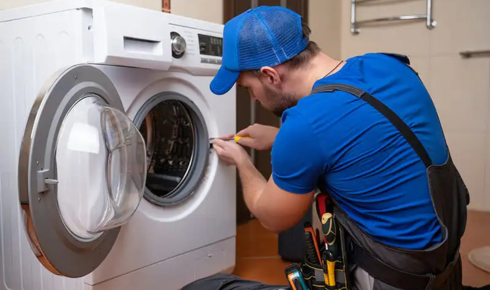
    Timely washer repair can prevent further damage and restore efficiency before problems escalate.

    Ignoring early warning signs, on the other hand, can lead to more complex and expensive repairs later.

    Why Dryers Often Develop Issues Over Time

    Dryers, like washers, experience wear gradually rather than suddenly. Over time, homeowners may observe longer drying cycles, inconsistent heating, or unusual noises.

    These signs often result from clogged vents, worn belts, or failing heating elements.

    Addressing dryer repair needs early can significantly extend the appliance’s lifespan.

    Neglecting these issues not only affects performance but also increases energy consumption, raising monthly utility costs.

    Proper maintenance ensures dryers continue operating safely and efficiently.

    The Hidden Impact of Maintenance Neglect

    One of the most common causes of laundry appliance failures is simple neglect.

    Lint buildup, clogged filters, and unbalanced loads place unnecessary strain on internal components.

    Regular cleaning and inspection can prevent many issues from developing in the first place.

    Simple habits—like clearing dryer vents and checking hoses—can dramatically improve reliability.

    Preventive care is often the most effective way to reduce repair frequency.

    Why Professional Expertise Matters

    While some maintenance tasks can be handled independently, complex repairs require specialized knowledge.

    Laundry appliances involve electrical systems, mechanical components, and precise calibration.

    This is where professional laundry appliance service becomes essential.

    Technicians can accurately diagnose underlying problems, perform safe repairs, and ensure systems operate correctly after maintenance.

    Their expertise helps prevent recurring issues and supports long-term appliance performance.

    The Emotional Side of Appliance Breakdowns

    Laundry appliance failures often create more frustration than expected.

    Because they affect routines directly, delays can feel overwhelming—especially for busy households managing work, school, and family responsibilities.

    Repairing machines quickly restores a sense of normalcy and stability.

    It’s not just about fixing equipment; it’s about bringing daily life back into balance.

    Long-Term Benefits of Timely Repairs

    Addressing appliance problems early offers several advantages.

    First, it prevents minor issues from escalating into major failures. Second, it reduces energy consumption by restoring efficient operation.

    Third, it extends appliance lifespan, delaying costly replacements.

    Timely repairs also help maintain consistent performance, ensuring clothes are cleaned and dried properly every time.

    These benefits contribute to both financial savings and household convenience.

    Understanding When Replacement May Be Necessary

    Although repairs often provide effective solutions, there are situations where replacement becomes the better option.

    Older appliances nearing the end of their expected lifespan may require frequent maintenance.

    In such cases, upgrading to newer models with improved efficiency and advanced features may offer greater long-term value.

    Professional technicians can provide guidance on whether repairs remain practical or replacement is advisable.

    Supporting Everyday Comfort Through Reliable Appliances

    Laundry appliances may not be the most visible part of a home, but their reliability plays a significant role in daily comfort.

    Consistent performance allows households to maintain routines without disruption.

    Proper maintenance and timely repairs help preserve this reliability.

    They ensure appliances continue supporting daily needs quietly and efficiently.

    A Small System with a Big Impact

    It’s easy to overlook the importance of washers and dryers when they’re functioning properly.

    But when they fail, their absence is immediately felt.

    Maintaining these appliances isn’t just about protecting equipment—it’s about preserving the smooth flow of everyday life.

  • Why Clean Water at Home Is Less About Luxury and More About Smart Choices

    Why Clean Water at Home Is Less About Luxury and More About Smart Choices

    Most people don’t wake up thinking about their home’s water. It’s just there—flowing through taps, filling glasses, running showers, doing its quiet work in the background. You trust it without questioning it much. Until one day, something feels slightly off.

    Maybe your coffee tastes a little flat. Your dishes come out of the dishwasher with a faint white film. Or your skin feels unusually dry after a shower, no matter what soap you use. These small annoyances rarely seem urgent at first. But over time, they create a quiet frustration that makes you start paying attention.

    And once you do, you realize something surprising—water quality affects daily comfort far more than you ever imagined.

    The Real Cost of Ignoring Water Quality

    When homeowners overlook water issues, they often end up paying in unexpected ways. Hard minerals can damage appliances over time, reducing their efficiency and lifespan. Sediment buildup can clog plumbing systems, leading to costly repairs.

    Even cleaning products become less effective when water quality isn’t optimal. Soap doesn’t lather properly, detergents struggle to rinse away residue, and surfaces accumulate stubborn stains more quickly.

    These problems don’t happen overnight. They build slowly, quietly increasing maintenance expenses and reducing household efficiency.

    That’s why many homeowners eventually realize that investing in better water systems isn’t just about comfort—it’s about long-term savings.

    Understanding Water System Costs Without Stress

    One of the biggest concerns people have when considering water treatment is cost. It’s natural to hesitate before making an investment that doesn’t produce an obvious visual transformation.

    But exploring available pricing options often reveals that water improvements are more accessible than many expect. Providers typically offer a range of solutions, from basic filtration units to comprehensive whole-home systems.

    These options allow homeowners to start with manageable upgrades and expand gradually based on their needs.

    Rather than viewing water treatment as a major expense, it can be approached as a step-by-step improvement process.

    The Rise of Budget-Friendly Solutions

    In recent years, advancements in technology have made affordable water systems far more common. Modern filtration units are designed to be efficient, compact, and easier to maintain than older models.

    This shift has made clean water solutions accessible to a wider range of households. You no longer need a large budget to enjoy better water quality.

    Affordable systems can still provide significant benefits—improved taste, reduced mineral buildup, and enhanced appliance performance.

    For many families, these systems offer a practical way to improve daily living without financial strain.

    Why Getting Professional Advice Matters

    Choosing the right water system can feel overwhelming, especially with so many options available. Each home has unique water characteristics influenced by local infrastructure, water sources, and environmental conditions.

    This is why starting with a free quote request can be incredibly helpful. Professional assessments provide valuable insights into your specific water quality and recommend solutions tailored to your needs.

    Instead of guessing or relying on generic advice, homeowners receive personalized guidance that ensures their investment delivers meaningful results.

    And honestly, having expert input often brings peace of mind that you’re making the right decision.

    The Emotional Side of Reliable Water

    It might sound surprising, but water quality plays a subtle role in emotional well-being. Reliable systems reduce background worries that most people don’t consciously recognize.

    You stop questioning whether your drinking water is safe. You trust your appliances to function efficiently. You feel confident that your home infrastructure is protected.

    That quiet reassurance makes daily routines feel smoother and more stable.

    In a world filled with uncertainties, even small sources of reliability can feel incredibly valuable.

    Prevention Always Saves Money in the Long Run

    One of the biggest lessons homeowners learn is that proactive water management prevents expensive repairs.

    Hard water can shorten the lifespan of washing machines and dishwashers. Sediment buildup can cause pipe corrosion. Untreated water can increase energy consumption due to inefficiencies.

    Addressing these issues early through filtration and treatment helps avoid major expenses later.

    In many cases, water systems pay for themselves over time through reduced maintenance and improved efficiency.

    The Subtle Benefits That Transform Everyday Life

    Unlike visible home upgrades, water improvements rarely create dramatic before-and-after moments. Instead, their benefits appear gradually.

    Laundry feels softer. Showers become more refreshing. Cleaning tasks require less effort because surfaces accumulate fewer deposits.

    Even drinking water tastes noticeably better, encouraging healthier hydration habits.

    These small changes add up to a noticeably improved daily experience.

    And once people become accustomed to them, they rarely want to go back.

    A Quiet Investment That Makes a Lasting Difference

    Improving water quality doesn’t change how your home looks. There’s no decorative upgrade or visual transformation to admire.

    Yet the impact is felt every single day—in smoother routines, better tasting drinks, and greater peace of mind.

    Over time, these quiet benefits add up to something meaningful.

    Because sometimes, the most valuable home improvements aren’t loud or obvious.

    They’re the ones working silently in the background—supporting comfort, protecting infrastructure, and making everyday life just a little easier, one drop at a time.

  • The Quiet Damage Beneath Your Feet: Why Finding Leaks Early Can Save Your Home

    The Quiet Damage Beneath Your Feet: Why Finding Leaks Early Can Save Your Home

    Water has a strange dual personality. On one hand, it’s comforting — warm showers, clean dishes, a glass of cool drinking water on a hot day. On the other, when it escapes where it shouldn’t, it can quietly become one of the most destructive forces inside a home.

    The tricky part is that leaks don’t always announce themselves. They don’t always burst pipes or flood rooms dramatically. More often, they whisper. A slight musty smell. A small spike in the water bill. A patch of flooring that feels just a little warmer than the rest.

    These subtle signals often point to a problem that’s been developing quietly for weeks — or even months.


    Why Leaks Often Stay Invisible for So Long

    Most plumbing systems are hidden behind walls, under floors, or buried underground. That’s part of what makes them efficient — they stay out of sight and out of mind.

    But that same invisibility allows problems to grow unnoticed. A small crack in a pipe can release a steady stream of water over time. Because it’s hidden, the leak continues without interruption, slowly damaging surrounding materials.

    This is why professional leak detection services play such an important role in modern home maintenance. These services use specialized tools to locate leaks without tearing apart walls or flooring unnecessarily.

    Early detection not only prevents structural damage but also reduces repair costs significantly.


    The Most Common Signs of a Hidden Leak

    Leaks rarely appear without warning. They typically provide small clues that something isn’t quite right.

    Some of the most common early indicators include:

    • Unexplained increases in water bills
    • Damp or warped flooring
    • Mold or mildew smells
    • Reduced water pressure
    • Sounds of running water when no fixtures are on

    These symptoms often point to hidden leaks within walls, ceilings, or underground piping.

    Ignoring these signs can allow damage to spread quietly, affecting both structural integrity and indoor air quality.


    The Unique Challenge of Foundation Leaks

    Among the most serious types of plumbing leaks are those that occur beneath a home’s foundation. Known as slab leaks, they develop in pipes embedded within or under concrete floors.

    Because they’re concealed beneath heavy structures, they’re particularly difficult to detect without specialized equipment.

    Professional slab leak detection uses advanced techniques such as acoustic listening devices and thermal imaging to locate leaks accurately.

    These methods allow technicians to pinpoint problems without extensive demolition, minimizing disruption to the home.


    How Leaks Cause Long-Term Damage

    One of the biggest dangers of undetected leaks is the cumulative damage they cause over time.

    Water exposure can weaken structural materials, including wood, drywall, and insulation. Persistent moisture also creates ideal conditions for mold growth, which can affect indoor air quality and health.

    In severe cases, prolonged slab leaks can even shift soil beneath foundations, leading to cracks or structural instability.

    Addressing leaks early helps prevent these costly and complex repairs.


    The Financial Benefits of Early Detection

    Many homeowners delay leak inspections because they assume repairs will be expensive. Ironically, waiting often leads to far greater costs.

    A small leak that could have been fixed quickly may eventually require extensive restoration work involving flooring replacement, mold remediation, and structural repairs.

    Routine inspections and early detection services provide a cost-effective way to protect property value and avoid unexpected expenses.

    Investing in preventive care often saves thousands of dollars over time.


    The Emotional Impact of Water Damage

    Beyond financial concerns, leaks can create significant emotional stress. Discovering water damage unexpectedly can feel overwhelming, especially when it disrupts daily routines.

    The uncertainty of hidden damage — not knowing how far a leak has spread — adds to the anxiety.

    Reliable detection services provide reassurance by identifying problems early and offering clear solutions.

    Peace of mind, in this context, becomes just as valuable as physical repairs.


    The Role of Modern Technology in Leak Detection

    Advancements in plumbing technology have transformed how leaks are identified and resolved. Today’s detection methods rely on precise tools rather than guesswork.

    Technicians use digital sensors, infrared imaging, and pressure testing equipment to locate leaks accurately without invasive procedures.

    These innovations reduce repair time, minimize disruption, and improve overall efficiency.

    Technology has made leak detection faster, more accurate, and far less disruptive than in the past.


    Preventive Measures Homeowners Can Take

    While professional detection is essential, homeowners can also take simple steps to reduce leak risks.

    Practical preventive actions include:

    • Monitoring water bills regularly
    • Inspecting visible pipes for corrosion
    • Maintaining consistent water pressure levels
    • Addressing minor leaks promptly
    • Scheduling periodic plumbing inspections

    These habits help identify potential issues before they escalate into major problems.

    Prevention remains the most effective strategy for maintaining system reliability.


    A Final Thought: Listening to What Your Home Is Telling You

    Leaks rarely arrive suddenly. They develop gradually, providing subtle warning signs long before visible damage appears.

    Paying attention to these signals and seeking professional support early helps protect both your home and your peace of mind.

    Because ultimately, leak detection isn’t just about fixing pipes.

    It’s about preserving the stability of the spaces we depend on every day — ensuring that the comfort and security of home life remain uninterrupted.

  • When the Air Stops Working: Why Trust Matters More Than Temperature in HVAC Service

    When the Air Stops Working: Why Trust Matters More Than Temperature in HVAC Service

    There’s a certain kind of silence that falls over a house when the air conditioner quits in July. It’s not peaceful. It’s heavy. You hear every creak of the floorboards, every distant car outside, and you start calculating how long it’ll take before the living room feels like a greenhouse. In those moments, you’re not just looking for someone to “fix the unit.” You’re looking for someone you can trust.

    Heating and cooling systems are funny that way. We barely think about them when they’re doing their job. They hum along in the background, quietly shaping our comfort, our sleep, even our mood. But when something goes wrong, suddenly this hidden system becomes the most important machine in the house.

    And that’s where the real story of HVAC service begins.

    It’s Not Just Equipment. It’s Peace of Mind.

    Most homeowners don’t speak in technical terms. They don’t care about SEER ratings or blower motor amperage—at least not at first. What they care about is whether their family will be comfortable tonight. Whether the repair will hold. Whether they’re about to get hit with a surprise bill that ruins the month.

    That’s why a solid hvac warranty isn’t just a marketing add-on. It’s a promise. It tells customers, “We stand behind our work.” Not for a week. Not until the check clears. But for the long haul.

    A meaningful warranty does two things. First, it protects the homeowner from repeat expenses if something fails prematurely. Second, it signals confidence. Contractors who cut corners tend to offer vague or minimal coverage. The ones who believe in their craftsmanship? They’re usually happy to put it in writing.

    Of course, warranties aren’t all created equal. Some cover parts but not labor. Some apply only if annual maintenance is performed. A trustworthy HVAC company takes the time to explain these details in plain language, without rushing through the fine print.

    And honestly, that conversation says a lot about who you’re dealing with.

    The Human Side of Service

    Technical skill matters. There’s no debating that. A technician should know how to diagnose a faulty capacitor, measure refrigerant levels accurately, and spot airflow restrictions before they cause long-term damage.

    But skill alone doesn’t build loyalty.

    What keeps customers coming back—year after year—is something less tangible. It’s how they’re treated. Whether the technician shows up on time. Whether they wear shoe covers without being asked. Whether they explain what went wrong without making the homeowner feel foolish.

    That’s where a company’s service philosophy quietly shapes everything.

    Some businesses operate with a transactional mindset: fix it fast, collect payment, move on. Others see themselves as long-term partners in home comfort. They take the extra few minutes to answer questions. They recommend maintenance not as a sales pitch, but as preventive care. They understand that trust compounds over time.

    You can feel the difference.

    When a technician walks into your home and genuinely listens—asks about hot and cold spots, inquires about allergies, checks ductwork instead of just swapping parts—you realize they’re not chasing a quick job. They’re solving a problem.

    And that makes all the difference.

    Why Local Knowledge Still Matters

    Big national brands have their place. They bring name recognition and standardized systems. But there’s something uniquely powerful about a company that understands the local climate, the older housing stock, and even the quirks of regional building codes.

    In places where winters bite hard and summers refuse to let go, experience isn’t theoretical. It’s earned.

    Companies offering tri-state area service often navigate multiple jurisdictions, varied weather patterns, and diverse property types. A 1920s brownstone demands a different approach than a new suburban build. Coastal humidity presents challenges that inland homes may never face.

    Local expertise translates into smarter recommendations. Proper system sizing. Duct configurations that actually make sense. Maintenance schedules aligned with real-world seasonal swings.

    It also means faster response times. When a storm knocks out power or an unexpected cold snap hits, proximity becomes more than convenient—it becomes critical.

    Maintenance: The Unsexy Hero of HVAC

    Let’s be honest. Nobody gets excited about preventive maintenance. It doesn’t have the drama of an emergency repair or the shine of a brand-new installation. It’s routine. Predictable. Easy to postpone.

    But here’s the thing: most catastrophic HVAC failures don’t come out of nowhere. They build quietly. A clogged filter here. A slightly loose electrical connection there. A drain line that’s been slowly backing up for months.

    Regular tune-ups catch these issues early. They extend system life. They improve efficiency, which means lower energy bills. And they keep warranties valid, which circles us back to that original promise of protection.

    Good HVAC companies don’t push maintenance plans as a gimmick. They frame them as insurance for your comfort. Because in many ways, that’s exactly what they are.

    Choosing the Right Partner

    So how do you choose wisely?

    Start with reputation. Not just online reviews—though those help—but word-of-mouth referrals. Ask neighbors who they trust. Pay attention to how companies respond to complaints, not just praise.

    Look for transparency. Clear pricing. Written estimates. Technicians willing to explain options rather than steering you toward the most expensive fix.

    Notice the little things. Clean trucks. Branded uniforms. Follow-up calls after service. These details might seem cosmetic, but they often reflect deeper organizational care.

    And trust your instincts. If something feels rushed or overly sales-driven, it probably is.

    Comfort Is Personal

    At the end of the day, HVAC service isn’t really about metal ducts and refrigerant lines. It’s about comfort. And comfort is deeply personal.

    It’s about the baby sleeping peacefully in a cool nursery. The elderly parent staying warm through a harsh winter. The couple working from home who need steady airflow to stay focused and sane.

    When you invite an HVAC professional into your space, you’re handing over more than a mechanical problem. You’re handing over responsibility for your home’s atmosphere—literally and figuratively.

    That responsibility deserves respect.

    So yes, compare prices. Review warranties. Ask about maintenance plans. But don’t overlook the human factor. The companies that combine technical expertise with empathy, clarity, and genuine care? They’re the ones you’ll call again when the seasons change.

    And if they do their job right, you might not think about them at all for a long, long time—which, in this business, is the highest compliment there is.

  • Turning Murky Into Miraculous: How to Make Pond Water Safe for Drinking

    Turning Murky Into Miraculous: How to Make Pond Water Safe for Drinking

    Let’s be real — no one looks at a mossy, frog-hopping pond and thinks, “Ah yes, my next glass of water.” But for many people across the globe, especially in rural or off-grid living situations, natural water bodies like ponds might be the most accessible source of hydration. And while nature provides, it also… contaminates. So, how do we safely filter pond water for drinking without relying on bottled water or municipal taps? Let’s dig in.


    When a Pond Is the Only Option

    There’s a unique kind of beauty in living close to nature — waking up to birdsong, growing your own food, and yes, sourcing water from nearby ponds or lakes. But beauty doesn’t always equal safety. Pond water is often teeming with microorganisms, parasites, algae, and runoff pollutants from nearby lands. Drinking it straight? A fast track to a stomach disaster. Still, with the right approach, you can make it clean, clear, and completely drinkable.

    And no, this doesn’t mean boiling it over a campfire every single time. There are smarter, more sustainable methods.


    Understanding What You’re Up Against

    First off, it’s important to understand that not all contaminants are created equal. Pond water might contain:

    • Sediment and organic matter
    • Bacteria like E. coli
    • Protozoa such as Giardia and Cryptosporidium
    • Algae and mold
    • Chemical pollutants from pesticides or industrial runoff

    Some of these are visible — like green scum or floating twigs. Others? Totally invisible but potentially deadly. That’s why simply skimming the surface or letting the water “settle” isn’t nearly enough when you’re treating water for drinking.


    The First Layer: Physical Filtration

    Before we even get to purification, you need to get rid of the gunk. A physical filter, like a cloth or coffee filter, can help remove larger particles like dirt, bugs, or plant matter. This won’t make the water safe on its own — but it’s a necessary first step.

    A homemade trick? Cut the bottom off a plastic bottle, fill it with layers of gravel, sand, and charcoal. Let the pond water drip through. It’s a crude, yet surprisingly effective, pre-filtering method.


    Bringing in the Big Guns: Multi-Stage Filtration Systems

    Now we’re getting serious. To filter pond water for drinking, you’ll need a more advanced solution — ideally, a multi-stage filtration system. These often include:

    • Sediment filters to catch the dirt and rust
    • Activated carbon filters to reduce odors, chemicals, and organic contaminants
    • Ceramic filters that trap bacteria and protozoa
    • UV light or chlorination for final disinfection

    For off-grid setups, gravity-fed filtration systems like the Berkey or Lifestraw Community units are excellent. No electricity needed, and they’re built to deal with the kind of nastiness ponds tend to harbor.


    What About Boiling?

    Ah, the age-old remedy. Boiling does kill most pathogens, no doubt. But it won’t remove chemicals or heavy metals — and let’s be honest, it’s not always convenient or energy-efficient, especially in large volumes. Think of boiling as a good backup or an emergency fix, not your everyday solution.


    Don’t Forget Maintenance

    Having a system in place is half the battle. The other half? Keeping it clean. Filters clog. UV bulbs fade. Charcoal loses effectiveness. Regularly flushing, scrubbing, or replacing parts of your system ensures that the water coming out is just as clean as it was the day you installed it.

    Pro tip: mark filter change dates on your calendar. Future-you will thank present-you.


    Natural Alternatives: Is It Worth the Risk?

    Some survivalists swear by natural methods — like using moringa seeds to settle particles or solar disinfection (leaving clear bottles in the sun for hours). These can be useful in emergencies or as supplemental techniques, but relying solely on them isn’t ideal if you’re sourcing water for drinking regularly from a pond.

    They can reduce visible turbidity and even kill some bacteria, but they’re no match for chemical contaminants or more resilient pathogens.


    Choosing the Right Pond Filter

    It’s easy to get lost in the weeds (pun intended) when choosing a pond filter. Many systems are designed for koi ponds or decorative water features — meaning they keep the water clear for fish, not necessarily safe for people. Be sure to choose filters rated for potable (drinkable) water, especially ones that are NSF/ANSI certified.

    Some outdoor or camping filters might look compact and handy but don’t handle chemical pollutants well. Always research your specific needs based on the pond’s condition, location, and surrounding environment.


    Real Talk: Is Pond Water Ever Truly Safe?

    Here’s the thing — yes, it can be. But it takes effort, knowledge, and the right equipment. And even then, regular testing is wise. Home water testing kits can help detect pH, bacteria, and nitrates, giving you peace of mind (or a heads-up if something’s gone wrong).

    If you’re planning to rely on pond water long-term — say, on a homestead or cabin property — consider combining multiple methods: a reliable pond filter, UV disinfection, and occasional lab testing. That’s a recipe for sustainability and safety.


    Final Sip

    Pond water might not look appealing at first glance, but it doesn’t have to be off-limits. With the right techniques, tools, and a bit of dedication, it can become a viable, even reliable, source of hydration. Whether you’re prepping for emergencies, living off-grid, or just exploring natural solutions, remember: clarity doesn’t always mean purity, and purity doesn’t have to come in a plastic bottle.

    So next time you’re eyeing that still pond and wondering if it’s drinkable — the answer is yes, but only if you treat it with the respect (and filters) it deserves.

    Stay safe, stay hydrated — and filter wisely.

  • When Your Dishwasher Misbehaves: A Human Guide to Getting It Back on Track

    When Your Dishwasher Misbehaves: A Human Guide to Getting It Back on Track

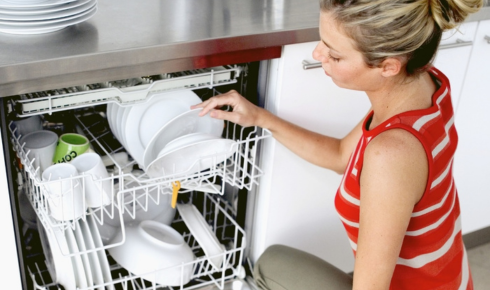
    There’s something deeply satisfying about pulling warm, spotless dishes out of the dishwasher. It’s one of those little modern luxuries that saves time, preserves your sanity, and keeps the kitchen running like a well-oiled machine. But what happens when the magic fades? When your trusty appliance starts acting up, leaving your plates grimy and your silverware spotty?

    That’s when most of us spiral into mild panic—or worse, start washing everything by hand again (ugh). But before you give up on your dishwasher completely, let’s take a relaxed, real-world walk through how to understand the problem and maybe even fix it — or at least know when to call in the cavalry.


    The Unseen Hero in Your Kitchen

    Let’s face it: dishwashers are one of the least glamorous appliances in your home, but they pull a lot of weight. They operate quietly in the background, handling after-dinner cleanup like a champ. Until they don’t. And suddenly, you’re Googling things like “weird dishwasher noises” or “why does my dishwasher smell like a wet dog?”

    Before we get into fixes, it’s worth recognizing how complex these machines are. Your average unit contains multiple motors, pumps, valves, sensors, and heating elements. So, if it’s acting up, it doesn’t mean it’s ready for the scrap heap. It might just be overdue for some love.


    When to Consider Appliance-Level Repair

    Let’s talk breakdowns. You might notice the dishwasher door won’t close right. Or maybe it fills up but never drains. Or—worst of all—it runs a full cycle and the dishes are still dirty. These aren’t just quirks. These are signs it’s time to look into appliance dishwasher repair.

    Now, don’t get scared by the word “repair.” Sometimes it’s as easy as replacing a clogged filter or a worn-out gasket. Other times, you may need a technician to test the pump motor or check the water inlet valve. What matters is acting early. Waiting weeks or months while the dishwasher struggles through cycles only makes things worse — and more expensive.


    Don’t Underestimate the Power of Routine Service

    Here’s something I learned the hard way: dishwashers aren’t “set-it-and-forget-it” machines. They need occasional care. Not deep cleans every weekend, but some light checkups now and then. A simple vinegar rinse, checking for food buildup, inspecting the spray arms — these things make a world of difference.

    For many families, it helps to schedule a residential dishwasher service once a year. A certified technician can spot early warning signs that we’d never catch. Think of it like going to the dentist — a little attention now saves you pain later. Plus, it keeps the machine efficient and your dishes sparkling.


    The Art (and Frustration) of Troubleshooting

    Let’s talk real life: your dishwasher’s acting up, and you don’t want to call anyone yet. That’s where a little dishwasher troubleshooting goes a long way. No fancy tools required—just a flashlight, a YouTube video or two, and some common sense.

    First, check the filter. It’s usually at the bottom and, honestly, kind of gross. If it’s clogged, it could be the reason your dishes come out worse than they went in. Next, inspect the spray arms. Can they spin freely? Are the holes blocked by gunk or mineral deposits?

    Also, peek at the drain hose. If water isn’t draining properly, the hose might be kinked or blocked. If your unit smells funky, check the door seal and clean around the edges. It’s amazing how much residue builds up in those forgotten corners.

    Still nothing? Then it’s time to admit defeat (for now) and call in a pro. No shame in that. You tried.


    When Repairs Are Worth It (And When They’re Not)

    Now comes the tough call: is it worth fixing, or should you just buy a new one? That depends on a few things — age, brand, condition, and repair cost. If your dishwasher is less than seven years old and the issue is minor (like a broken latch or a clogged inlet valve), repairs almost always make sense.

    But if you’re looking at replacing a control board or dealing with rusted parts on an old machine, it might be time to say goodbye. Rule of thumb: if repairs cost more than 50% of a new unit, start shopping.

    That said, don’t rush. A little research, a second opinion, or even a temporary fix might stretch your current dishwasher’s life by another year or two.


    Final Thoughts: Be Kind to Your Dishwasher

    I’ll be honest — for years, I didn’t think twice about my dishwasher. I slammed it shut, overloaded the racks, used the cheapest detergent, and never once cleaned the filter. And it worked. Until it didn’t.

    Now? I’m a little more mindful. I scrape dishes (but don’t rinse — modern dishwashers hate that). I run a cleaning cycle monthly. And I don’t wait until it’s totally dead to show it some attention.

  • Why Every Smart Homeowner Should Have Salt Delivery and Real Water System Support

    Why Every Smart Homeowner Should Have Salt Delivery and Real Water System Support

    Let’s face it — there’s nothing glamorous about hauling around 40-pound bags of salt for your water softener. It’s not like anyone wakes up thinking, “Ah yes, today’s the perfect day to lift heavy things and pour them into a tank.” But for many homes, especially in areas with hard water, that salt is the unsung hero behind every silky shower, spotless glass, and long-lasting appliance.

    Still, for all its importance, salt replenishment often ends up forgotten… until your water starts feeling off, or the softener gives up on you. That’s where salt delivery steps in, offering a wildly underrated convenience that keeps everything running smoothly while saving your back (and your weekend plans).


    The Truth About Hard Water and Daily Living

    Hard water is sneaky. It doesn’t show up overnight like a burst pipe. It’s gradual — leaving a streak here, a crust there, maybe a strange stiffness to your towels or that slimy-not-clean feel after you wash your hands. You might not even notice it at first. But your plumbing does. Your dishwasher does. Your skin, your hair — they notice too.

    So when your water softener is doing its job, it’s protecting every part of your home’s water usage. But that system depends on salt. And not just any salt — the right kind, replenished at the right time. When you skip refills, your softener can’t pull minerals out of the water, and boom — the hard stuff is back, creeping into everything.

    With a salt delivery plan, you never run dry. The bags show up like clockwork. You don’t forget, you don’t guess, and you certainly don’t have to make a special trip to the hardware store when you’d rather be, well, doing anything else.


    Why You Need More Than Just a Plumber

    When it comes to maintaining your water system, a general handyman or even your go-to plumber might not be the best person for the job. You need someone who lives and breathes water treatment. Someone who doesn’t just fix leaks but understands the nuances of water chemistry, local contaminants, system design, and ongoing maintenance.

    In short, you need professional water techs.

    These folks do more than troubleshoot — they optimize. They know the difference between a softener that’s working and one that’s working efficiently. They can spot buildup in places you’d never think to look and recommend upgrades when newer tech hits the market. Their job isn’t just to fix — it’s to prevent the kind of issues that throw your entire system out of whack.

    And let’s be real — there’s something comforting about knowing the person working on your home water has been trained specifically in that field. No guesswork. No half-measures. Just expertise that translates into better water and less stress.


    Support That’s More Than Just a Phone Number

    Ever tried calling a company’s “customer support” line, only to get passed around like a game of hot potato? It’s the worst — especially when your water tastes weird, the pressure’s off, or your system’s beeping angrily at 7 a.m.

    What you want — what every homeowner deserves — is real, proactive water system support.

    That means actual people who answer the phone. Techs who can pull up your service history in seconds. Notifications when it’s time to check your filters or when system diagnostics suggest something’s not quite right. It’s a partnership, not a transaction.

    And good support doesn’t just jump in when things break. It checks in before problems start. It nudges you when seasonal shifts might affect water quality. It helps you plan upgrades or add-ons when your family grows or your needs change. It cares — and that makes all the difference.


    How It All Comes Together: A Seamless System

    Let’s paint a picture. Your softener is humming quietly in the background. Salt levels are perfect — not because you remembered, but because they were delivered and filled without you lifting a finger. Your reverse osmosis filter is on schedule for its next cartridge swap. Your technician stops by twice a year to tune everything, adjust settings, and keep you in the loop.

    You don’t worry about sediment, minerals, taste, pressure, or stains. You just enjoy clean, soft, great-tasting water.

    That’s what the right service ecosystem gives you: effortless reliability.

    And the best part? It doesn’t require a massive investment or a full system overhaul. It just requires choosing smart support options — like recurring salt delivery, hiring professional water techs, and getting connected with reliable water system support.


    Final Thoughts: Don’t Wait for the Breakdown

    Water problems rarely show up all at once. They creep. They build. And then one day, you’re wondering why your dishes look foggy, your skin feels dry, and your water heater is underperforming.

    You can stay ahead of all that.

    Invest in the small conveniences that make a big difference. Automate the chores. Trust the pros. Make your water system something that runs for you — not something you have to constantly fight with.

  • Warming Up to the Future: Why Geothermal HVAC is Quietly Changing the Way We Heat and Cool Our Spaces

    Warming Up to the Future: Why Geothermal HVAC is Quietly Changing the Way We Heat and Cool Our Spaces


    Let’s face it—heating and cooling systems have never exactly been the stuff of cocktail conversation. Most of us just want them to work without costing an arm and a leg. But lately, something’s shifting. With rising energy bills, unpredictable weather patterns, and a collective urge to be a little kinder to the planet, people are starting to look beneath the surface—literally.

    Enter geothermal HVAC.

    It’s not the flashiest tech on the block. It doesn’t hum with futuristic flair or connect to your smart fridge to order oat milk. But it is quietly redefining comfort, efficiency, and sustainability. Whether you’re running a bustling business complex or cozying up in a two-bedroom home, geothermal systems are rewriting the rules of climate control.

    Let’s dig into why.


    A Different Kind of Heat

    When you crank up the thermostat, you’re probably drawing on electricity or gas—often generated by burning fossil fuels. That means emissions. That means cost. That means impact.

    Geothermal HVAC, however, taps into the Earth itself. A few feet below the surface, the ground maintains a fairly consistent temperature year-round—warmer than the air in winter, cooler in summer. Geothermal systems take advantage of this natural thermal reservoir. A series of underground pipes—called a loop system—transfers heat between your building and the Earth, depending on the season.

    It’s simple in concept, quietly brilliant in execution.

    And it’s a cornerstone of sustainable hvac technology, the kind that marries efficiency with environmental responsibility. In an age where energy consumption is under the microscope, solutions that reduce carbon output and utility bills feel like small acts of rebellion in the best way.


    Businesses Are Catching On

    If there’s one thing business owners love, it’s saving money. If there’s another, it’s reliability. Geothermal systems offer both. That’s why commercial buildings, schools, and government facilities across the country are increasingly going underground.

    Think about it: lower operating costs, reduced maintenance, fewer parts that break, and long-term energy savings? It’s a CFO’s dream. Plus, some governments sweeten the deal with tax credits and incentives.

    But it’s not just about dollars and cents. The modern customer, employee, or stakeholder cares about values. They want to know the companies they support are walking the sustainability talk. That’s where commercial geothermal systems shine—quietly but confidently ticking the boxes for environmental responsibility, operational efficiency, and long-term planning.


    Homes That Whisper, Not Roar

    Residential geothermal might sound like something reserved for high-end eco-cabins or celebrity retreats—but the reality is far more grounded. More homeowners are choosing geothermal to replace noisy, inefficient furnaces or power-hungry AC units. And yes, the up-front costs are higher, but over time? The payoff is undeniable.

    Imagine a system that quietly keeps your home toasty in February and comfortably cool in July, all while trimming your energy bill and reducing your carbon footprint. That’s what residential geothermal solutions are offering.

    No loud whoosh of air, no sudden blast of heat. Just a steady, subtle comfort you don’t think about—until it’s gone. That’s the kind of peace modern homes are built for.


    But… Is It Really Worth It?

    Let’s not sugarcoat it. Geothermal isn’t plug-and-play. It requires planning, a suitable plot of land, and that dreaded thing: upfront investment. But for those who can swing it, it’s a long-term love affair with efficiency.

    Here’s what you’re buying into:

    • Longevity: Geothermal systems often last 20–25 years indoors, and the ground loop? Up to 50 years.
    • Lower Costs Over Time: Savings on heating, cooling, and even water heating can be significant—up to 70% in some cases.
    • Quiet Operation: These systems hum softly, with no outdoor unit to disrupt your garden serenity.
    • Eco-credibility: You’re reducing reliance on fossil fuels and slashing emissions.

    So yeah, it’s not for everyone right now. But with advancing tech and improving incentives, the playing field is leveling.


    Why It Feels More Human Than High-Tech

    There’s something quietly poetic about geothermal HVAC. While tech headlines scream about artificial intelligence and Mars missions, geothermal just… works. It draws warmth from the Earth, returns what it borrows, and does it all without drama.

    It doesn’t need updates. It doesn’t break every other winter. It’s the kind of infrastructure that just feels right in an age of constant digital noise and ecological anxiety.

    And maybe that’s why it resonates with the moment we’re in. We’re all looking for something a little more grounded. Literally.


    So, What’s Next?

    Will geothermal become the default in every neighborhood by 2030? Probably not. But it’s gaining ground—both figuratively and literally. As climate-conscious construction becomes less of a trend and more of a baseline, expect to hear more about it in new builds, retrofits, and public projects alike.

    And if you’re building a home or office soon? Don’t dismiss geothermal as a boutique solution for the wealthy or the weirdly obsessed with efficiency. Get a quote. Run the numbers. Ask your neighbors.

    It might just be the most unassuming upgrade you ever make.


    Final Thoughts: Comfort, Reimagined

    Heating and cooling your space shouldn’t feel like a battle against nature. It should feel like a partnership. Geothermal systems don’t conquer the environment—they collaborate with it. And in doing so, they redefine what comfort can look like: quiet, reliable, cost-effective, and kind.

    It’s not flashy. It’s not loud. But it works.

    And sometimes, that’s exactly what we need.