You don’t always notice hard water right away. It starts with a few white spots on the kitchen faucet, a cloudy film on drinking glasses, or soap that seems determined not to lather. Then the showerhead gets clogged, the bathroom needs cleaning more often, and you begin wondering whether your water is causing all this extra work.
For many homeowners in Michigan, water hardness is a familiar issue. Yet the right solution isn’t always obvious. Water conditions can vary from one community to another, even between nearby homes, and a treatment system that works well for one household may not be necessary for the next.
Understanding what’s in your water is the best place to start. With a little knowledge about hardness levels, local water conditions, and treatment options, you can make a practical decision without spending money on equipment you don’t need.
What Water Hardness Actually Means
Water hardness refers mainly to the amount of dissolved calcium and magnesium in a water supply. These minerals occur naturally as groundwater moves through rocks and soil. They’re not generally considered harmful at typical drinking-water concentrations, but they can cause problems around the house.
Hardness is commonly measured in milligrams per liter (mg/L), expressed as calcium carbonate, or in grains per gallon (gpg). One grain per gallon is equivalent to approximately 17.1 mg/L of calcium carbonate.
Although classifications vary slightly between sources, water is often described as soft below 60 mg/L, moderately hard at 61–120 mg/L, hard at 121–180 mg/L, and very hard above 180 mg/L.
Those numbers are useful, but what do they mean in everyday life? Moderately hard water may leave occasional deposits on fixtures, while very hard water can create more persistent scale. Mineral buildup inside water heaters and other appliances may also reduce efficiency over time.
Still, hardness isn’t the only measure of water quality. Water can be soft and contain other substances that need attention, which is why testing for the right parameters matters.
Understanding Water Hardness Levels in Oakland County
For homeowners researching understanding water hardness levels in Oakland County, the first thing to know is that there isn’t one hardness reading that applies to every property. Water sources, local geology, municipal treatment practices, and plumbing conditions can all influence the water coming out of a tap.
Some homes receive water from a municipal utility, while others rely on private wells. Even when two properties use similar sources, their results may differ. A neighbor’s experience can offer a clue, but it shouldn’t replace testing your own supply.
If you’re connected to a public water system, check the utility’s current water quality report or contact the provider for information about hardness and other relevant measurements. Keep in mind that a report covering the overall supply may not identify problems originating inside your home’s plumbing.
Private well owners should consider laboratory testing to establish a baseline and follow local health department recommendations for routine checks. Hardness testing can help determine whether softening is worthwhile, while separate tests may be needed for bacteria, nitrate, metals, or other concerns.
Once you have a result, ask a qualified water treatment professional to explain what it means for your household. A number on a report is helpful, but the real question is whether the water is causing problems you want to address.
What Homeowners Should Know About Water Quality in Monroe
Water concerns aren’t limited to one part of Michigan. People researching water quality in Monroe, Michigan may be trying to understand everything from mineral deposits and unpleasant tastes to the condition of their drinking-water supply.
The important distinction is between hardness and other water quality issues. Hardness is primarily a mineral-related concern. An unusual taste or odor, discoloration, or a change in water pressure may have a different cause entirely.
Municipal water systems generally treat and monitor their supplies according to applicable drinking-water requirements. Homeowners can review their utility’s water quality report for information about regulated contaminants and treatment practices. However, water can pick up additional substances as it passes through household plumbing, especially if pipes or fixtures are old or deteriorating.
Private wells require a different approach because their quality depends on local groundwater conditions and potential sources of contamination. Regular testing is important, even if the water looks clear and tastes normal.
If you notice a sudden change in your water, don’t automatically assume hardness is responsible. Discoloration may come from iron, sediment, plumbing corrosion, or temporary disturbances in the supply. Testing and a proper assessment can help identify the cause before you invest in treatment.
Are Salt-Based Water Softeners Worth It?
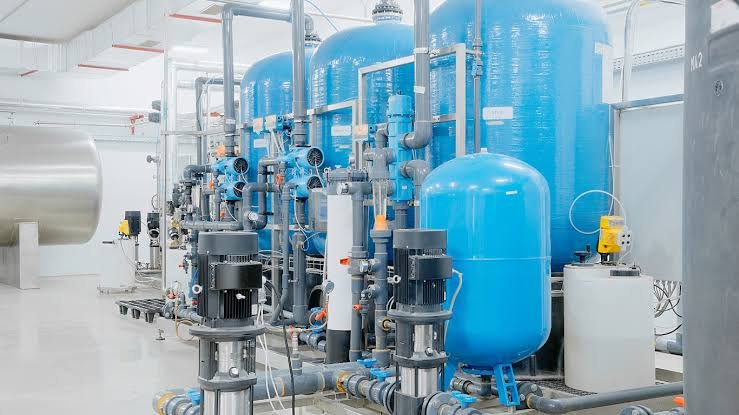
For households dealing with confirmed hard water, salt-based water softeners are one of the most established treatment options. They work through ion exchange, using resin beads to capture calcium and magnesium and replace them with other ions, usually sodium.
Because the process reduces hardness throughout the home, it can help limit scale in pipes, showerheads, water heaters, and appliances. Many homeowners also find that soap lathers more easily and that less residue remains on bathroom surfaces.
However, a water softener isn’t a complete drinking-water purification system. It doesn’t remove every contaminant, and it shouldn’t be used as a substitute for testing or for treatment specifically designed to address bacteria, lead, nitrate, or other substances.
There’s also a maintenance commitment. Salt needs replenishing, the resin requires periodic regeneration, and the system should be checked according to the manufacturer’s recommendations. Water and salt consumption depend on the unit’s design, household usage, and how hard the incoming water is.
Another consideration is sodium. Conventional softeners add some sodium to the treated water, with the amount depending partly on the hardness removed. People following a medically prescribed sodium restriction may want to discuss drinking-water options with their healthcare professional. A separate drinking-water tap or another suitable treatment arrangement may be appropriate.
Choosing the Right System Without Overspending
Before purchasing a water softener, consider how serious the problem actually is. If you see only occasional spots on glassware, a whole-house system might be more than you need. If scale repeatedly builds up on fixtures and inside water-using appliances, treatment may offer greater practical value.
Start with a water hardness test. If you use a private well, consider broader testing based on local risks and public health guidance. Then compare treatment systems based on capacity, regeneration efficiency, installation requirements, and long-term costs.
Don’t forget the ongoing expenses. Salt, servicing, and occasional repairs can affect the total cost of ownership. An efficient system that’s correctly sized for your household may be more economical than an oversized unit with unnecessary regeneration cycles.
Ask providers to explain their recommendations in plain language. They should be able to show how the proposed equipment addresses your measured water conditions and describe what it won’t do. Be cautious of anyone who claims that one device solves every possible water quality issue.
A Better Understanding Leads to Better Decisions
Water hardness can seem like a minor inconvenience until it starts affecting your daily routine. Persistent scale, extra cleaning, and appliance maintenance can become frustrating, particularly when you’re not sure what’s causing the problem.
Fortunately, the answer doesn’t have to be complicated. Learn the hardness level of your water, review relevant information from your utility or local health department, and investigate other concerns when necessary. Then choose a treatment approach that fits the evidence, your household’s needs, and your budget.
For some Michigan homes, a conventional water softener will be a sensible investment. Others may need a different treatment method, a plumbing inspection, or no additional equipment at all.
The goal is not to buy the most advanced system on the market. It’s to understand your water well enough to make a confident choice. That small step can save money, reduce everyday frustrations, and help you get more from the water you use throughout your home.