Water is one of those everyday necessities that rarely gets much attention until something starts to feel off. You might notice white spots on your glasses, a strange taste when filling a water bottle, or mineral deposits around the bathroom faucet that keep returning no matter how often you clean them. These problems may seem minor, but over time they can become frustrating parts of your daily routine.
The thing is, not every water problem has the same cause. Some homes deal with excess minerals, while others experience sediment, chlorine odors, iron staining, or concerns about specific contaminants. Choosing the right treatment isn’t about buying the most expensive equipment. It’s about understanding your water and finding something that genuinely makes life easier.
Why Water Quality Shouldn’t Be Overlooked
Water travels through a journey before reaching your tap. Its source might be a municipal supply, a private well, or groundwater collected and distributed locally. Along the way, natural minerals and other substances can influence its characteristics.
Hard water is a common example. Calcium and magnesium can leave scale deposits inside pipes, water heaters, showerheads, and household appliances. You may also find that soap doesn’t rinse as easily, laundry feels rough, and cleaning the bathroom takes longer than it should.
Sediment is another concern, particularly in properties using groundwater or older plumbing. Fine particles can affect the appearance of water and sometimes contribute to clogged fixtures. Meanwhile, chlorine, which is commonly used in municipal treatment, may create a noticeable taste or smell that some people dislike.
A water test is often the simplest way to understand what’s happening. Instead of guessing, you’ll have information that can help you make a practical decision.
Choosing Filtration Based on Your Actual Needs
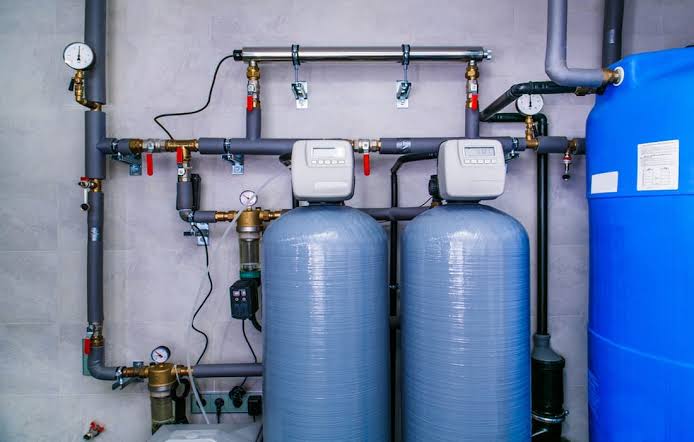
Different filtration technologies serve different purposes. Sediment filters are designed to capture suspended particles, while activated carbon is commonly used to reduce chlorine and certain substances responsible for unpleasant tastes and odors. Other specialized filters may target specific contaminants.
When considering carbon filtration, it’s important to look beyond the name of the product. Carbon type, contact time, flow rate, filter capacity, and performance certifications can influence how effectively a system reduces particular substances. A filter that works well for taste improvement may not be suitable for addressing every water quality concern.
For many homes, a combination of filtration stages can be useful. A sediment filter may protect the carbon stage from larger particles, allowing the system to operate more effectively. However, the setup should still be based on water testing and the manufacturer’s specifications rather than unnecessary layers of equipment.
Dealing With Sediment, Iron, and Mineral Problems
If your water leaves reddish stains around sinks, orange marks in toilets, or visible particles in a glass, iron or sediment may be contributing to the problem. These concerns are especially common in some well-water supplies, although local conditions can vary considerably.
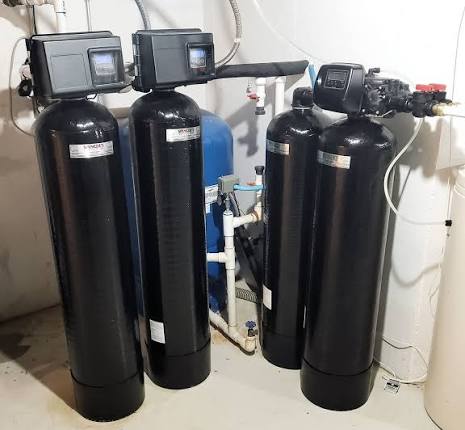
Iron & sediment filters can help manage certain particles and iron-related problems, but the right equipment depends on the form and concentration of iron present. Dissolved iron behaves differently from particulate iron, so a simple cartridge may not always provide the results homeowners expect.
In some situations, treatment may involve oxidation, specialized filter media, or multiple stages. Testing can help determine whether iron, manganese, sediment, or another factor is responsible for staining and discoloration.
It’s also worth considering the effect on plumbing and appliances. Particles entering the water supply may contribute to fixture problems or clogging, while properly selected treatment can help reduce those issues and make maintenance less demanding.
When Specialized Filtration Becomes Necessary
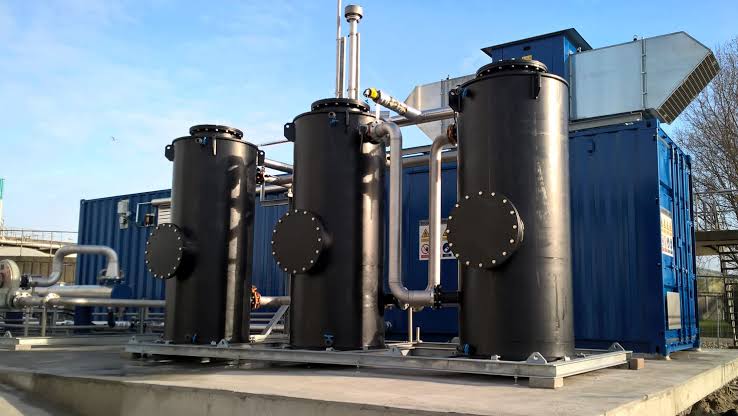
Not every water concern can be solved with a standard household filter. Some properties have unique water conditions that require a more targeted approach. Depending on the test results, treatment may involve ultraviolet disinfection, reverse osmosis, neutralizing media, or other technologies.
Exploring specialty filtration makes sense when ordinary sediment or carbon filters aren’t designed to address the concern you have. For example, certain dissolved contaminants require specific media or membrane-based treatment. Water with unusual pH levels may need neutralization, while microbiological concerns require appropriate treatment and verification.
The important thing is to avoid assuming that one filter removes everything. Manufacturers should provide clear information about the substances their equipment is designed to reduce, along with relevant testing or certification details.
Installation and Maintenance Are Part of the Process
Even a well-designed system needs proper installation. Plumbing connections, available space, incoming pressure, flow requirements, and accessibility for filter replacement all influence how smoothly equipment operates.
Once installed, the system needs occasional attention. Filters have limited capacities, housings may require cleaning, and some components need periodic inspection. Waiting until water pressure drops significantly or the taste changes isn’t always ideal.
A basic maintenance schedule can help. Keep track of filter replacement dates, follow the manufacturer’s instructions, and arrange professional servicing whenever the system requires it.
Making a Better Long-Term Choice
Water filtration is ultimately about convenience, confidence, and protecting the things you use every day. Cleaner fixtures, improved taste, fewer recurring stains, and reduced sediment problems can make ordinary household tasks feel less frustrating.
Start by testing your water, identifying the main concerns, and comparing treatment technologies that actually address them. Consider installation costs, maintenance, replacement filters, and long-term performance before committing.
The right system doesn’t need to be complicated. It simply needs to work reliably for your household. When water quality is handled properly, you can spend less time worrying about what’s coming out of the tap and more time enjoying the comfort of your home.