There’s nothing particularly pleasant about turning on the shower and being greeted by a rotten-egg smell. Add orange stains around the bathtub and laundry that never seems quite as bright as it should, and owning a private well can suddenly feel like more work than you expected.
For homeowners around Knoxville, regular well water testing offers a valuable starting point for understanding these problems. Rather than spending money on cleaning products or experimenting with different filters, identifying the underlying cause can lead to a more effective, long-term solution.
Groundwater quality varies from property to property. What works perfectly for your neighbor might not work nearly as well for you. That’s simply the nature of having an independent water supply.
What’s Causing Those Rust-Colored Stains?
Orange or reddish-brown deposits around sinks, toilets, and bathtubs often suggest the presence of iron. As groundwater moves through underground rock and soil, it can absorb naturally occurring minerals, including iron.
Interestingly, water containing dissolved iron may initially appear clear. Once exposed to oxygen, the iron can oxidize and become visible.
Effective iron & rust removal depends on identifying the form and concentration of iron present in the water. Certain iron filtration systems use oxidation followed by filtration to capture iron particles before they travel through household plumbing.
Other treatment methods may be suitable under different water conditions.
Simply installing an ordinary sediment cartridge won’t necessarily resolve dissolved iron problems. Understanding this distinction can save homeowners considerable time, money, and frustration.
Getting Rid of That Unmistakable Rotten-Egg Smell
Few household water problems are as immediately noticeable as an unpleasant sulfur odor. It’s especially frustrating when you’re trying to enjoy a relaxing shower or prepare a meal.
Hydrogen sulfide is one possible cause of this distinctive smell. Certain bacteria and reactions occurring inside water heaters may also contribute to odor problems.
Appropriate sulfur & odor treatment begins with determining whether the smell originates in the well, household plumbing, or water heater.
Try paying attention to whether the odor occurs when running cold water, hot water, or both.
If the smell appears exclusively when using hot water, the water heater may need professional inspection.
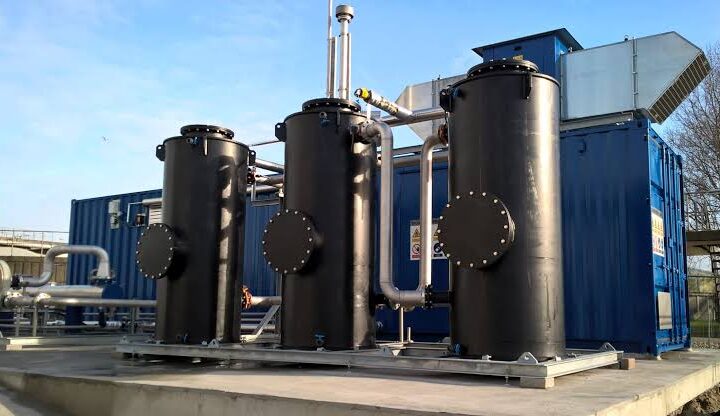
Depending on the underlying cause, treatment options may include aeration, oxidation, specialized filtration media, or other corrective measures.
Clear Water Isn’t Always a Reliable Indicator of Quality
It’s easy to assume that water is perfectly fine when it looks clear and tastes normal. Unfortunately, some potentially harmful contaminants cannot be identified through appearance, smell, or taste.
Private well owners are responsible for monitoring their own water quality. Regular laboratory testing helps identify concerns that wouldn’t necessarily become noticeable during everyday household use.
Testing for bacteria and nitrate is particularly important, along with other substances relevant to local conditions.
Additional testing may be appropriate following flooding, well repairs, or unexpected changes in water characteristics.
For Knoxville homeowners, keeping a record of laboratory findings can provide a useful reference for future treatment decisions.
It’s much easier to address a problem when you have reliable information about what’s happening beneath the surface.
Selecting Treatment Equipment Without the Guesswork
Choosing water treatment equipment can feel overwhelming, particularly when you’re dealing with several concerns simultaneously.
One household might experience iron staining alongside hardness, while another struggles with sediment and unpleasant odors.
These problems don’t always respond to the same treatment technology.
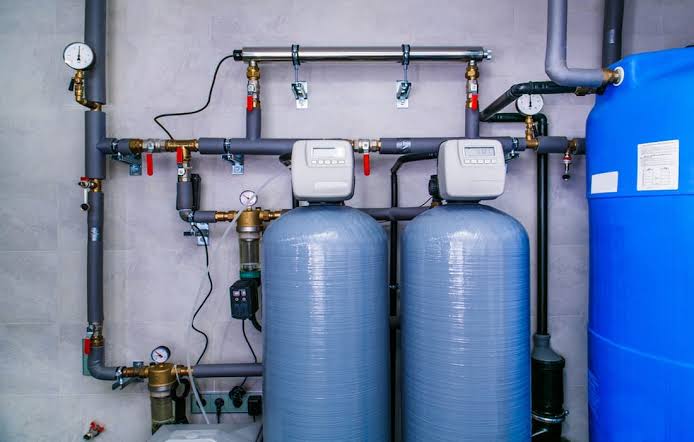
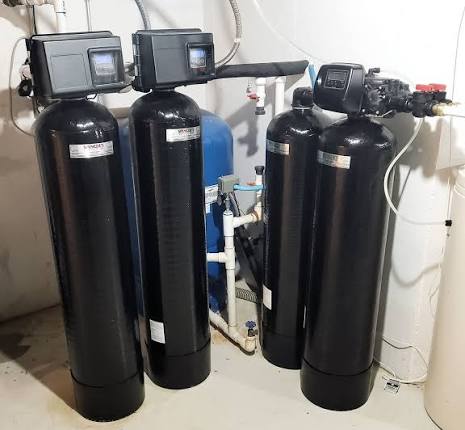
Sediment filters capture suspended particles. Water softeners reduce dissolved hardness minerals. Specialized oxidation and filtration systems can address certain iron and sulfur concerns.
Depending on laboratory findings, additional treatment or disinfection may also be necessary.
The arrangement of equipment matters just as much as the individual components. For instance, appropriate pretreatment can help protect sensitive filtration equipment from excessive sediment accumulation.
A thoughtfully designed system should address your water’s particular characteristics rather than simply adding more equipment.
Protecting Your Plumbing, Appliances, and Laundry
Iron-related water problems aren’t limited to unattractive bathroom stains.
Over time, iron deposits may accumulate inside plumbing components, faucet aerators, and certain water-using appliances. Clothing can also develop stubborn discoloration, which is particularly noticeable on white fabrics.
Reducing excessive iron and suspended particles can help address these recurring inconveniences.
However, treatment equipment won’t necessarily remove existing stains or repair damaged components. Appropriate cleaning and appliance servicing may still be required.
It’s worth thinking about water treatment as a preventive measure that works alongside normal household maintenance.
The less time you spend dealing with recurring water-related problems, the more time you have for things you’d actually rather be doing.
Keeping Your Well Water Treatment System Working Properly
Once treatment equipment is installed, it’s tempting to forget about it entirely. But consistent maintenance remains important.
Filtration media eventually reach their treatment capacity, cartridges accumulate particles, and some systems require periodic backwashing or replenishment of treatment materials.
Follow manufacturer recommendations and arrange professional servicing when necessary.
If staining or unpleasant odors suddenly return, investigate the cause rather than assuming your equipment needs replacing.
Changes in groundwater quality, incorrect system settings, or overdue maintenance could all contribute to declining performance.
Periodic laboratory testing also helps verify whether your equipment continues addressing the original water quality concerns.
Making the Most of Your Independent Water Supply
Owning a private well can be a rewarding part of living around Knoxville, especially when your water supply is properly understood and maintained.
Start with accurate testing, investigate unusual changes, and choose treatment equipment that addresses genuine concerns.
Over time, you may appreciate the difference through cleaner-looking bathroom fixtures, fewer unpleasant odors, and less frustration when doing laundry.
Your well is an important household resource. Giving it the attention it deserves can help make everyday life more comfortable and allow you to enjoy the advantages of having an independent water supply without constantly battling the inconveniences.