You might not think much about the minerals in your tap water until they begin leaving noticeable deposits around your home. Cloudy shower doors, stiff towels, stubborn soap residue, and chalky buildup around faucets can all make everyday household maintenance more frustrating.
Hard water is often responsible for these inconveniences, yet many homeowners aren’t entirely sure how water softening equipment addresses the problem.
Understanding the technology behind water softening can help you make a more informed decision before investing in treatment equipment.
For families throughout Northeast Florida, Tri-County Water Specialists can help explore suitable treatment arrangements based on individual water conditions and household requirements.
Whether you’re looking to protect valuable appliances or simplify your cleaning routine, learning how softening technology functions is an excellent place to begin.
Understand the Science Behind Modern Water Softening Systems
Although water softening equipment may appear complicated, the basic treatment process is relatively straightforward.
Learning how water softener systems work helps homeowners understand why this technology is effective at addressing excessive hardness and how it differs from conventional water filtration.
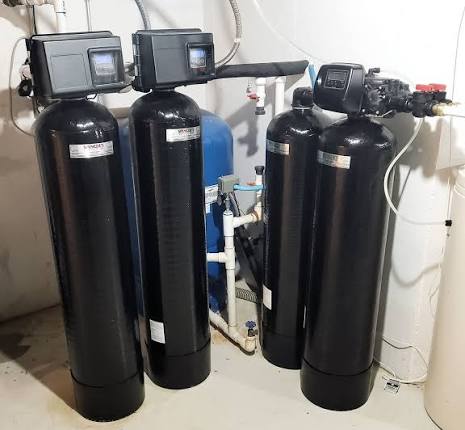
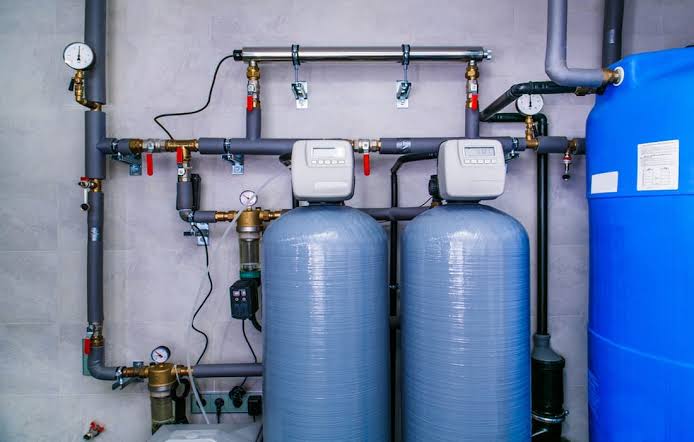
Traditional water softeners operate through a process known as ion exchange. Inside the treatment tank, thousands of small resin beads hold sodium or potassium ions.
As hard water passes through the resin, calcium and magnesium ions are captured while sodium or potassium ions are released into the water.
This exchange reduces the concentration of hardness minerals before treated water travels through connected household plumbing.
However, the resin cannot capture hardness minerals indefinitely. Eventually, its available treatment capacity becomes depleted, and regeneration is necessary.
During regeneration, a concentrated salt solution passes through the resin, displacing accumulated hardness minerals and restoring its treatment capacity. The displaced minerals and excess regeneration solution are subsequently flushed into an appropriate drain.
Many modern systems use automatic control valves to manage this process.
Some models regenerate according to predetermined schedules, while others monitor water consumption and initiate regeneration according to measured usage.
Demand-based operation can help avoid unnecessary regeneration when household consumption fluctuates.
Understanding this process makes water softening considerably less mysterious and helps homeowners appreciate the importance of proper equipment maintenance.
Address Calcium and Magnesium Before They Create Household Problems
Water naturally collects dissolved minerals as it travels through soil and underground rock formations. Calcium and magnesium are primarily responsible for water hardness.
Although hard water isn’t generally considered a health hazard, excessive hardness can create several practical difficulties around the home.
Installing water softeners for hardness minerals offers a targeted approach to reducing calcium and magnesium concentrations before they contribute to recurring maintenance challenges.
When mineral-rich water evaporates, it may leave chalky deposits around faucets, showerheads, and glass surfaces. Heating hard water can also encourage scale formation inside appliances.
Another common concern involves soap performance.
Hardness minerals interact with traditional soap, creating insoluble compounds that can accumulate as soap scum around bathroom fixtures.
Reducing excessive hardness may provide several everyday advantages:
- Fewer mineral deposits around kitchen and bathroom faucets.
- Improved soap and detergent effectiveness.
- Reduced hardness-related spotting on glassware.
- Laundry that may feel softer after washing.
- Reduced future scale formation inside water-heating equipment.
- More manageable household cleaning routines.
Imagine spending less time scrubbing stubborn deposits from your shower doors or removing mineral buildup from your kettle.
These seemingly small improvements can make a noticeable difference over time.
However, softened water may still contain other dissolved substances that leave residue. Existing mineral deposits may also require separate cleaning or professional servicing.
Setting realistic expectations helps homeowners understand the genuine value of hardness reduction.
Choose a Water Softening Solution Designed Around Your Home
Every household has different water consumption patterns. A family with several children and multiple bathrooms will typically place different demands on treatment equipment than a couple living in a smaller property.
Professional residential water softening involves selecting equipment according to incoming water hardness, household consumption, peak flow requirements, and practical installation considerations.
For example, imagine preparing breakfast while two family members take showers and the washing machine completes a laundry cycle.
Your water softener should accommodate these combined demands without creating unnecessary restrictions in water flow.
Equipment capacity is equally important.
An undersized system may exhaust its treatment capacity too quickly, resulting in frequent regeneration or inconsistent hardness reduction.
Conversely, unnecessarily large equipment may increase initial installation expenses without providing meaningful additional benefits.
Homeowners should also consider regeneration efficiency, salt consumption, available installation space, and ongoing maintenance requirements.
For Northeast Florida properties relying on private wells, additional water characteristics such as iron concentrations and sulfur odors may influence the recommended treatment arrangement.
These concerns might require complementary filtration rather than conventional softening alone.
Working with an experienced water treatment professional can help ensure that your equipment matches your household’s actual needs rather than simply selecting the largest available model.
Understand the Difference Between Softening and Water Filtration
Water softening and filtration serve different purposes, even though both can contribute to improved household water quality.
A conventional softener primarily reduces hardness minerals. It isn’t designed to provide comprehensive contaminant removal or reliably address bacteria, chlorine, and every unwanted chemical substance.
Activated carbon filtration may help reduce selected disinfectants and unpleasant tastes, while sediment filters capture suspended particles.
Reverse osmosis systems can provide additional reduction of many dissolved substances in drinking water.
Some households benefit from combining complementary treatment technologies, while others require only straightforward hardness reduction.
Professional water testing helps identify which equipment deserves consideration and prevents unnecessary purchasing expenses.
Keep Your Water Softener Operating Efficiently
Routine maintenance plays an important role in preserving treatment effectiveness.
Check salt levels regularly, follow manufacturer servicing recommendations, and periodically test treated water hardness.
Unexpected changes in regeneration frequency, water pressure, or mineral deposits may indicate that your equipment requires attention.
Maintaining simple service records can also help you identify developing performance concerns and anticipate future maintenance expenses.
Although automatic systems reduce manual responsibilities, they still require consistent care to deliver dependable results.
Make a Smarter Water Treatment Investment in Northeast Florida
Understanding the technology behind water softening gives homeowners greater confidence when comparing available equipment.
Start with reliable water testing, evaluate your household’s consumption patterns, and discuss suitable treatment capacity with a knowledgeable professional.
Consider contacting Tri-County Water Specialists to explore personalized recommendations for your Northeast Florida property.
Ultimately, investing in appropriate water softening equipment is about more than reducing minerals. It’s about protecting valuable appliances, making household responsibilities easier, and enjoying a comfortable home where better water supports your everyday lifestyle.
With thoughtful equipment selection and regular maintenance, the advantages of softer water can provide lasting practical value for years to come.