
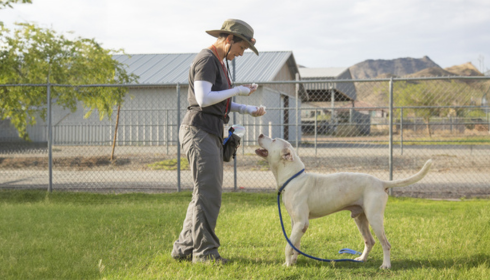
Public spaces in Scottsdale require dogs that are calm, responsive, and reliable under pressure. Whether you’re walking through Old Town, visiting outdoor dining areas, or exploring busy desert parks, expectations for canine behavior are high. That’s why public behavior dog training Scottsdale has become essential for dog owners who want safer, more enjoyable, and stress-free outings.
At Rob’s Dog Training in Phoenix, we consistently see that dogs struggle most in environments where distractions are unpredictable and constantly changing. Through structured, real-world training, dogs learn how to stay composed, follow commands reliably, and make better decisions even in stimulating public environments. This guide explains how public behavior training works, what makes Scottsdale unique, and how owners can build long-term reliability.
What Public Behavior Dog Training Scottsdale Really Means
Public behavior dog training Scottsdale goes beyond basic obedience commands like sit or stay. It focuses on how dogs behave in real-world environments where distractions are unavoidable.
This includes teaching dogs to:
- Walk calmly through crowded sidewalks
- Ignore food, animals, and environmental distractions
- Remain focused around people and other dogs
- Respond immediately to commands outdoors
- Maintain composure in high-energy situations
The goal is not perfection it is reliability in unpredictable environments.
Why Scottsdale Creates Unique Training Challenges
Scottsdale is a high-stimulation environment for dogs. The combination of tourism, outdoor culture, and pet-friendly spaces creates constant exposure to distractions.
Common challenges include:
- Heavy pedestrian traffic in Old Town Scottsdale
- Outdoor restaurant seating with food distractions
- Frequent encounters with other dogs
- Bicycles, scooters, and runners on shared paths
- Wildlife exposure on desert trails
Without structured public behavior dog training Scottsdale, dogs often become overstimulated, reactive, or difficult to control in these environments.
Core Principles Behind Effective Public Behavior Training
At Rob’s Dog Training, we build public reliability through layered behavioral systems. Each layer strengthens the dog’s ability to stay calm and responsive.
1. Structured Leash Communication
Leash work is not just physical control it is communication between handler and dog.
Dogs are trained to:
- Walk with slack in the leash
- Match the handler’s pace
- Respond to directional cues
- Avoid sudden pulling or lunging
This creates clarity and reduces confusion in busy environments.
2. Emotional Regulation and Impulse Control
One of the most important aspects of public behavior dog training Scottsdale is teaching dogs how to regulate their emotions.
Dogs learn to:
- Pause before reacting to triggers
- Ignore sudden movements or noises
- Wait calmly in exciting environments
- Avoid chasing or reactive behavior
This skill is essential for safe public outings.
3. Real-World Desensitization
Dogs must experience controlled exposure to real-world environments to build confidence.
Training environments may include:
- Quiet neighborhood sidewalks
- Pet-friendly retail areas
- Parks with moderate activity
- Outdoor cafés and public seating areas
The goal is gradual exposure, not overwhelm.
Step-by-Step Progression of Public Behavior Training
Successful training follows a structured path that builds reliability over time.
Step 1: Foundation Obedience
Dogs learn basic commands in low-distraction environments:
- Sit
- Down
- Heel
- Recall
Step 2: Controlled Distraction Introduction
Mild distractions are added, such as distant people or dogs.
Step 3: Moderate Public Exposure
Training shifts into busier environments like parks and sidewalks.
Step 4: Real-World Scottsdale Environments
Dogs practice obedience in high-distraction locations such as:
- Old Town Scottsdale streets
- Outdoor events
- Shopping districts
This progression ensures dogs are not overwhelmed early in training.
Tools and Techniques Used in Public Behavior Training
Effective public behavior dog training Scottsdale uses structured tools and methods that reinforce communication and clarity.
Common techniques include:
- Marker-based reinforcement (clear timing for rewards)
- Leash pressure and release communication
- Reward timing for calm behavior
- Controlled exposure sessions
- Repetition in varied environments
These methods help dogs understand expectations quickly and consistently.
Real-Life Scenarios in Scottsdale
Training becomes meaningful when applied to real-life situations.
Scenario 1: Busy Sidewalk Walking
A dog learns to walk past pedestrians without pulling or reacting.
Scenario 2: Outdoor Dining Areas
Dogs practice staying calm near food, people, and noise.
Scenario 3: Trail Encounters
Dogs learn to pass hikers, runners, and wildlife calmly.
Scenario 4: Pet Store Visits
Dogs maintain obedience despite smells, sounds, and excitement.
Each scenario builds real-world reliability step by step.
How Long Public Behavior Training Takes
The timeline for public behavior dog training Scottsdale depends on several factors:
- Dog’s age and temperament
- Previous training experience
- Consistency of practice at home
- Frequency of real-world exposure
On average:
- Basic improvement: 2–4 weeks
- Reliable public behavior: 6–12 weeks
- Advanced stability in all environments: 3+ months
Consistency is the most important factor in long-term success.
Common Mistakes Owners Make in Public Training
Even dedicated dog owners can unintentionally slow progress.
Frequent mistakes include:
- Allowing pulling “just this once”
- Repeating commands without follow-through
- Training only at home instead of public spaces
- Rewarding excitement instead of calm behavior
- Skipping gradual exposure stages
Avoiding these mistakes significantly improves results.
Owner Role in Long-Term Success
Professional training is only part of the process. Owners play a critical role in maintaining progress.
To support success:
- Practice commands during every walk
- Reward calm behavior consistently
- Avoid inconsistent rules in public
- Reinforce structure during daily routines
- Stay patient during distractions
Dogs thrive on consistency, not occasional correction.
Maintenance After Training
Once dogs learn public behavior skills, ongoing maintenance is necessary.
Recommended practices:
- Weekly structured walks in different environments
- Continued reinforcement of leash manners
- Periodic exposure to busy locations
- Refresh training sessions if regression appears
Maintenance ensures long-term reliability in real-world settings.
Why Professional Guidance Matters
Working with experienced trainers helps accelerate learning and prevent common mistakes. At Rob’s Dog Training, we focus on building structured systems that transfer into real-life environments.
Our approach includes:
- Real-world distraction training
- Calm leadership development
- Step-by-step behavioral progression
- Off-leash readiness foundations when appropriate
- Long-term stability focus
This ensures dogs don’t just obey commands they understand how to behave in public spaces.
Next Steps for Public Behavior Dog Training in Scottsdale
Investing in public behavior dog training Scottsdale is one of the most important steps a dog owner can take to ensure safety, confidence, and enjoyment in everyday life. Scottsdale’s active lifestyle and busy public environments require dogs that can remain calm and responsive under pressure.
With structured training, consistency, and real-world practice, dogs can learn to navigate even the most distracting environments with ease. The result is a more enjoyable experience for both dog and owner, whether walking through city streets or exploring outdoor trails.
At Rob’s Dog Training in Phoenix, we help owners build the skills and structure needed for lasting public behavior success that holds up in real-world situations.
