
Buying an older home often means falling in love with its character while accepting that a few things need improvement. You might update the kitchen, replace worn flooring, or repaint the bedrooms. But what about the plumbing hidden behind those freshly painted walls?
Aging pipes can quietly cause problems for years before homeowners realize how much they’re affecting everyday life. Frequent leaks, inconsistent water flow, and discolored water are just a few concerns that deserve attention.
Investing in residential repiping services can help homeowners address deteriorating plumbing infrastructure and reduce the frustrations associated with repeated repairs.
It’s not the most exciting home improvement project, admittedly. However, the practical benefits of dependable plumbing can make it one of the most worthwhile investments in your property.
The Hidden Problems With Aging Household Pipes
Most people judge their plumbing by whether water comes out when they turn on a faucet. Unfortunately, functioning pipes aren’t necessarily healthy pipes.
Older galvanized steel piping, for example, may develop internal corrosion and mineral deposits that gradually restrict water flow. Other aging materials can become vulnerable to leaks or weakened connections.
You might notice that your morning shower loses pressure whenever someone uses the kitchen faucet. Perhaps rusty-colored water occasionally appears after the plumbing hasn’t been used overnight.
These symptoms don’t automatically mean your entire system needs replacing, but they’re certainly worth investigating.
A professional inspection can help establish whether the problem involves isolated damage, widespread deterioration, or another plumbing concern.
Understanding the actual condition of your pipes is much more useful than making expensive decisions based on assumptions.
Knowing When It’s Time to Stop Patching Old Plumbing
There’s nothing wrong with repairing an occasional leak. In fact, a targeted repair is often the most economical solution when the surrounding pipes remain in good condition.
However, repeatedly fixing different sections of aging plumbing can eventually become a frustrating cycle.
Homeowners who decide to replace outdated household pipes may benefit from addressing widespread deterioration through a coordinated project rather than waiting for individual failures to occur.
Consider the hidden expenses associated with recurring leaks. Beyond plumbing bills, there may be damaged drywall, stained ceilings, ruined belongings, and unexpected interruptions to your daily routine.
These costs can accumulate surprisingly quickly.
If you’re constantly wondering where the next leak might appear, arranging a comprehensive plumbing assessment could help you determine whether replacement offers better long-term value.
Sometimes, starting fresh makes more financial sense than continually patching something that’s reached the end of its useful life.
Finding Professionals Who Understand Your Home’s Needs
Replacing household plumbing requires careful planning, especially in older buildings where pipes may run through difficult-to-access areas.
Experienced repiping contractors can assess your existing plumbing layout, recommend suitable materials, and develop an installation approach that limits unnecessary disruption wherever practical.
Before selecting a contractor, ask about relevant qualifications, previous residential projects, applicable licensing, and insurance coverage.
It’s also worth discussing how the company handles wall openings, water supply interruptions, testing, and cleanup.
A detailed estimate should explain what’s included rather than leaving you guessing about potential additional expenses.
Good communication matters just as much as technical experience. You should feel comfortable asking questions and understanding exactly what will happen inside your home.
After all, this isn’t a small repair you can simply forget about once the plumber leaves.
Choosing Between Copper, PEX, and Other Modern Materials
One advantage of replacing aging plumbing is the opportunity to select materials better suited to your property’s requirements.
Copper has a long history in residential plumbing and offers dependable performance under appropriate conditions. However, water chemistry and installation costs deserve consideration.
PEX is another popular option. Its flexibility can simplify routing through certain existing building structures and potentially reduce the number of connections required.
Other approved piping products may also suit particular applications.
There’s no universal material that’s perfect for every household. Local plumbing requirements, water conditions, property construction, and available budget all influence the decision.
Discuss these factors with your contractor before settling on a particular product.
Choosing suitable materials now can help prevent unnecessary complications later.
What Living Through a Repiping Project Looks Like
Homeowners sometimes imagine that replacing pipes means weeks of complete household disruption. Although every project differs, careful scheduling can make the experience more manageable.
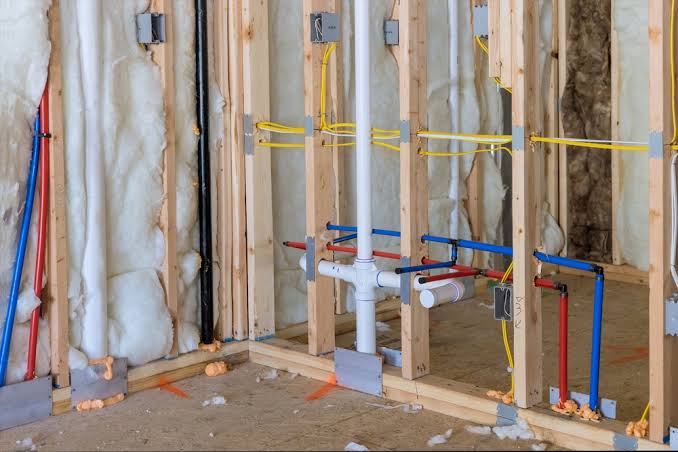
Plumbers may work through selected areas of the house, accessing pipes through walls, ceilings, utility rooms, or crawl spaces.
Temporary water interruptions should be expected, so discuss their timing beforehand.
Clear storage cabinets and move vulnerable belongings away from work areas. If you have pets or young children, arrange a comfortable place for them away from construction activity.
Ask whether drywall restoration and painting are included or require separate arrangements.
Having realistic expectations makes the whole experience considerably less stressful.
Enjoying the Everyday Benefits of Updated Plumbing
The advantages of replacing deteriorating pipes often become noticeable in surprisingly ordinary moments.
Where internal corrosion or restricted piping contributed to poor water flow, properly sized replacement pipes may improve delivery to household fixtures.
Replacing damaged materials can also reduce the likelihood of recurring leaks and address certain discoloration problems originating within the plumbing.
Perhaps most importantly, homeowners may feel more comfortable knowing that aging pipes are no longer a constant source of concern.
An Investment Beyond What You Can See
Repiping won’t give your home the visual transformation of a remodeled kitchen or a beautifully landscaped garden. Its value lies somewhere less obvious.
It’s in the dependable shower, the dry ceilings, and the freedom from repeatedly calling a plumber about another unexpected leak.
Take the time to understand your existing plumbing, explore practical replacement options, and invest in experienced workmanship.
Sometimes, the best improvements are hidden behind the walls, quietly making everyday life more comfortable.
