
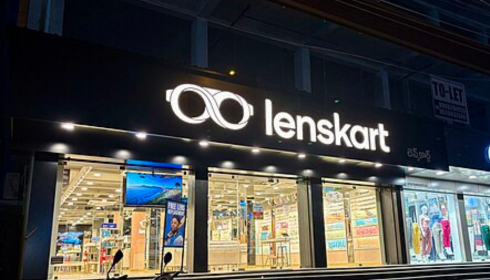

India’s eyewear market has changed a lot in the last few years. People no longer buy glasses only when they absolutely need them. Eyewear has slowly become part necessity, part fashion statement. That shift is one reason why brands like Lenskart have grown so quickly across cities, towns, and even smaller markets.
For entrepreneurs looking to enter retail with a recognizable brand, optical businesses are suddenly looking far more attractive than they once did. The demand is steady, repeat customers are common, and the market still has room to expand. Naturally, many people now search for lenskart franchise apply online because they want to understand whether the business model is actually profitable or just another franchise trend.
The good thing about Lenskart is that the company already has strong brand recall. Customers trust it because they’ve seen the advertisements, used the app, or ordered products online before visiting a physical store. That gives franchise owners a head start that independent optical stores often struggle to achieve.
Why the Brand Has Become So Popular
One major reason behind the company’s success is convenience. Customers can browse frames online, try styles virtually, and later visit stores for eye testing or fitting. The online-to-offline model works surprisingly well, especially for younger buyers.
Another important factor is pricing. Earlier, branded eyewear felt expensive to many Indian families. Lenskart changed that perception by offering products across different price ranges. Whether someone wants affordable daily glasses or premium frames, there’s usually an option available.
From a business point of view, that broad audience matters. A franchise store doesn’t depend only on luxury buyers. It can attract students, office workers, professionals, and families at the same time.
Understanding the Franchise Process
People often assume buying a franchise is complicated, but the process is fairly straightforward. Interested applicants usually begin by visiting the official website and filling out a franchise inquiry form. The company then reviews details such as city preference, investment capability, and store location.
After the initial screening, discussions typically move toward space requirements and business feasibility. A commercial location with decent foot traffic is usually preferred. Shopping streets, malls, and busy market areas tend to perform better because visibility plays a huge role in eyewear retail.
The company may also evaluate demographics around the location. Areas with colleges, offices, hospitals, or residential clusters often create more customer demand.
Investment and Store Setup
One thing future investors want clarity on immediately is lenskart franchise cost. The total investment can vary depending on city, store size, interiors, and inventory requirements. In most cases, the investment may range from moderate to high compared to smaller local optical businesses.
However, the amount generally includes branding, interior setup, display systems, product inventory, and technology support. Some locations naturally cost more because rental prices in metro cities can be very high.
A premium-looking store is important in this business. Customers buying eyewear usually prefer clean layouts, bright lighting, and organized displays. Presentation influences buying decisions more than many people realize.
Revenue Potential and Business Growth
Eyewear businesses can generate income from multiple sources. Prescription glasses, sunglasses, contact lenses, blue-light protection lenses, and accessories all contribute to sales. Eye testing services can also bring customers into the store regularly.
One underrated advantage is repeat business. People often return after a year or two for updated prescriptions or new frame styles. Unlike some retail categories where purchases are purely occasional, optical customers often become long-term buyers.
Of course, success still depends on location, customer service, and operational management. Even a strong brand name cannot guarantee profits if the store experience feels poor.
Is It the Right Business for You?
A Lenskart franchise may suit entrepreneurs who prefer structured business systems over building a brand from scratch. The company already provides operational support, marketing assistance, and product supply chains, which reduces some of the risk new business owners normally face.
That said, retail businesses still require patience. Initial months may involve heavy setup costs and gradual customer building. Owners who actively manage staff, customer experience, and local marketing generally perform better over time.
For many investors, the appeal is simple: eyewear demand is unlikely to disappear anytime soon. People will always need vision care, and increasingly, they also want stylish products that match their personality. That combination keeps the industry moving forward, even during uncertain economic periods.
