
There’s something surprisingly satisfying about building a small electronic project from scratch. Maybe it’s the moment an LED lights up for the first time, or when a homemade gadget finally responds exactly the way you imagined. Whatever it is, electronics has a way of turning curiosity into something tangible.
For beginners and hobbyists alike, the beauty of DIY electronics lies in its simplicity. You don’t need an engineering degree or an expensive workshop to start experimenting. A handful of components, a little patience, and a willingness to learn can take you a long way.
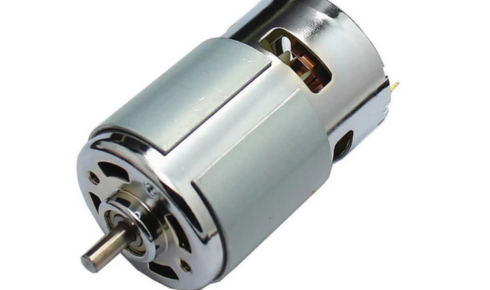
One of the first things many makers look at before starting a project is the dc motor price Motors are the heart of countless creations, from miniature robots and automated curtains to toy cars and rotating display stands. Fortunately, small DC motors are affordable and widely available, making them a practical choice for students, hobbyists, and educators. The low cost means you can experiment freely without worrying too much about making mistakes along the way.
LEDs are another staple in almost every electronics toolkit. They’re simple, efficient, and surprisingly versatile. A tiny 5mm led can be used for indicators, decorative lighting, educational projects, and even basic communication systems. Despite its small size, this little component teaches some of the most important lessons in electronics, such as voltage, current limiting, and circuit design. Many people’s first successful project involves nothing more than a battery, a resistor, and an LED glowing proudly on a breadboard.
As projects become a bit more advanced, sensors start entering the picture. Sensors allow electronic devices to react to the world around them rather than simply following fixed instructions. A sound sensor , for example, can detect claps, voices, or other noises and trigger specific actions. Imagine a light that turns on when you clap your hands or a simple alarm that reacts to unexpected sounds. These kinds of projects aren’t just fun; they also introduce important concepts related to automation and real-world applications.
What makes electronics particularly interesting today is how accessible advanced technology has become. Features that once seemed futuristic can now be added to hobby projects with minimal effort. Wireless communication is a perfect example. Using a bluetooth modular component, creators can build devices that communicate directly with smartphones, tablets, or computers. Suddenly, a simple project transforms into something interactive. Lights can be controlled remotely, robots can receive commands wirelessly, and sensors can send data without requiring a physical connection.
The learning process itself often feels less like studying and more like solving a series of puzzles. One day you’re figuring out why a circuit isn’t powering on. The next day you’re adjusting code, testing components, and celebrating small victories. It’s not always smooth sailing, of course. Sometimes a project refuses to cooperate for reasons that seem impossible to understand. Then you discover a loose wire, laugh at yourself, and move on.
Another reason electronics remains so popular is its incredible flexibility. Projects can be tailored to almost any interest. Someone fascinated by home automation might create smart switches and monitoring systems. A student interested in science could build experimental devices for school exhibitions. Even artists increasingly incorporate electronics into interactive installations and creative displays.
What’s particularly encouraging is how supportive the maker community has become. Online forums, video tutorials, and open-source project platforms provide endless inspiration. You can find step-by-step guides for everything from basic LED circuits to sophisticated IoT systems. That collective knowledge lowers the barrier to entry and helps newcomers gain confidence much faster than they could in the past.
Budget also plays a surprisingly small role in getting started. Many useful components cost only a few dollars, and beginner kits often contain enough parts for dozens of projects. Learning electronics no longer requires major investment. Instead, it rewards curiosity, experimentation, and persistence.
At its core, electronics is about understanding how things work and then using that understanding to create something useful or entertaining. Whether you’re building a simple blinking light, a sensor-based device, or a wireless controller, every project adds another layer of knowledge. Over time, those small lessons connect together, forming skills that can lead to larger and more ambitious creations.
The best part? You never really run out of things to build. Every finished project tends to spark two or three new ideas. That’s what keeps people coming back to electronics year after year. It isn’t just a hobby. It’s a creative journey powered by imagination, problem-solving, and the excitement of making something that didn’t exist before.