When the Air Stops Working: Why Trust Matters More Than Temperature in HVAC Service

There’s a certain kind of silence that falls over a house when the air conditioner quits in July. It’s not peaceful. It’s heavy. You hear every creak of the floorboards, every distant car outside, and you start calculating how long it’ll take before the living room feels like a greenhouse. In those moments, you’re not just looking for someone to “fix the unit.” You’re looking for someone you can trust.
Heating and cooling systems are funny that way. We barely think about them when they’re doing their job. They hum along in the background, quietly shaping our comfort, our sleep, even our mood. But when something goes wrong, suddenly this hidden system becomes the most important machine in the house.
And that’s where the real story of HVAC service begins.
It’s Not Just Equipment. It’s Peace of Mind.
Most homeowners don’t speak in technical terms. They don’t care about SEER ratings or blower motor amperage—at least not at first. What they care about is whether their family will be comfortable tonight. Whether the repair will hold. Whether they’re about to get hit with a surprise bill that ruins the month.
That’s why a solid hvac warranty isn’t just a marketing add-on. It’s a promise. It tells customers, “We stand behind our work.” Not for a week. Not until the check clears. But for the long haul.
A meaningful warranty does two things. First, it protects the homeowner from repeat expenses if something fails prematurely. Second, it signals confidence. Contractors who cut corners tend to offer vague or minimal coverage. The ones who believe in their craftsmanship? They’re usually happy to put it in writing.
Of course, warranties aren’t all created equal. Some cover parts but not labor. Some apply only if annual maintenance is performed. A trustworthy HVAC company takes the time to explain these details in plain language, without rushing through the fine print.
And honestly, that conversation says a lot about who you’re dealing with.
The Human Side of Service
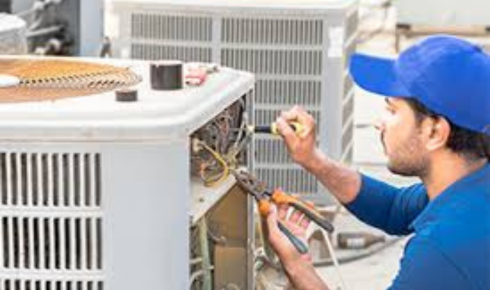
Technical skill matters. There’s no debating that. A technician should know how to diagnose a faulty capacitor, measure refrigerant levels accurately, and spot airflow restrictions before they cause long-term damage.
But skill alone doesn’t build loyalty.
What keeps customers coming back—year after year—is something less tangible. It’s how they’re treated. Whether the technician shows up on time. Whether they wear shoe covers without being asked. Whether they explain what went wrong without making the homeowner feel foolish.
That’s where a company’s service philosophy quietly shapes everything.
Some businesses operate with a transactional mindset: fix it fast, collect payment, move on. Others see themselves as long-term partners in home comfort. They take the extra few minutes to answer questions. They recommend maintenance not as a sales pitch, but as preventive care. They understand that trust compounds over time.
You can feel the difference.
When a technician walks into your home and genuinely listens—asks about hot and cold spots, inquires about allergies, checks ductwork instead of just swapping parts—you realize they’re not chasing a quick job. They’re solving a problem.
And that makes all the difference.
Why Local Knowledge Still Matters
Big national brands have their place. They bring name recognition and standardized systems. But there’s something uniquely powerful about a company that understands the local climate, the older housing stock, and even the quirks of regional building codes.
In places where winters bite hard and summers refuse to let go, experience isn’t theoretical. It’s earned.
Companies offering tri-state area service often navigate multiple jurisdictions, varied weather patterns, and diverse property types. A 1920s brownstone demands a different approach than a new suburban build. Coastal humidity presents challenges that inland homes may never face.
Local expertise translates into smarter recommendations. Proper system sizing. Duct configurations that actually make sense. Maintenance schedules aligned with real-world seasonal swings.
It also means faster response times. When a storm knocks out power or an unexpected cold snap hits, proximity becomes more than convenient—it becomes critical.
Maintenance: The Unsexy Hero of HVAC
Let’s be honest. Nobody gets excited about preventive maintenance. It doesn’t have the drama of an emergency repair or the shine of a brand-new installation. It’s routine. Predictable. Easy to postpone.
But here’s the thing: most catastrophic HVAC failures don’t come out of nowhere. They build quietly. A clogged filter here. A slightly loose electrical connection there. A drain line that’s been slowly backing up for months.
Regular tune-ups catch these issues early. They extend system life. They improve efficiency, which means lower energy bills. And they keep warranties valid, which circles us back to that original promise of protection.
Good HVAC companies don’t push maintenance plans as a gimmick. They frame them as insurance for your comfort. Because in many ways, that’s exactly what they are.
Choosing the Right Partner
So how do you choose wisely?
Start with reputation. Not just online reviews—though those help—but word-of-mouth referrals. Ask neighbors who they trust. Pay attention to how companies respond to complaints, not just praise.
Look for transparency. Clear pricing. Written estimates. Technicians willing to explain options rather than steering you toward the most expensive fix.
Notice the little things. Clean trucks. Branded uniforms. Follow-up calls after service. These details might seem cosmetic, but they often reflect deeper organizational care.
And trust your instincts. If something feels rushed or overly sales-driven, it probably is.
Comfort Is Personal
At the end of the day, HVAC service isn’t really about metal ducts and refrigerant lines. It’s about comfort. And comfort is deeply personal.
It’s about the baby sleeping peacefully in a cool nursery. The elderly parent staying warm through a harsh winter. The couple working from home who need steady airflow to stay focused and sane.
When you invite an HVAC professional into your space, you’re handing over more than a mechanical problem. You’re handing over responsibility for your home’s atmosphere—literally and figuratively.
That responsibility deserves respect.
So yes, compare prices. Review warranties. Ask about maintenance plans. But don’t overlook the human factor. The companies that combine technical expertise with empathy, clarity, and genuine care? They’re the ones you’ll call again when the seasons change.
And if they do their job right, you might not think about them at all for a long, long time—which, in this business, is the highest compliment there is.