What Really Changes When You Filter Every Drop: A Practical Look at Whole-House Water Systems

Most of us don’t think much about water until it gives us a reason to. A faint chlorine smell in the shower. Cloudy ice cubes. A stubborn film on freshly washed dishes. It’s rarely dramatic — just small, persistent annoyances that quietly become part of daily life.
But every now and then, someone asks a bigger question: what if the issue isn’t the soap, the dishwasher, or the plumbing — what if it’s the water itself?
That’s usually when the conversation turns to whole-house filtration.
Starting With the Basics
If you’ve ever searched for whole house water filtration explained, you probably encountered a mix of technical diagrams and bold claims. Let’s strip it down to something simpler.
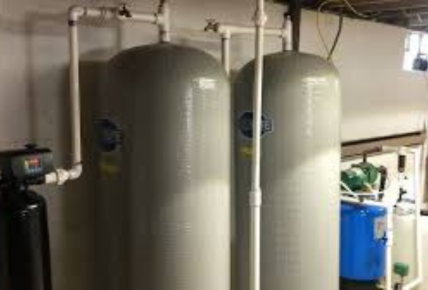
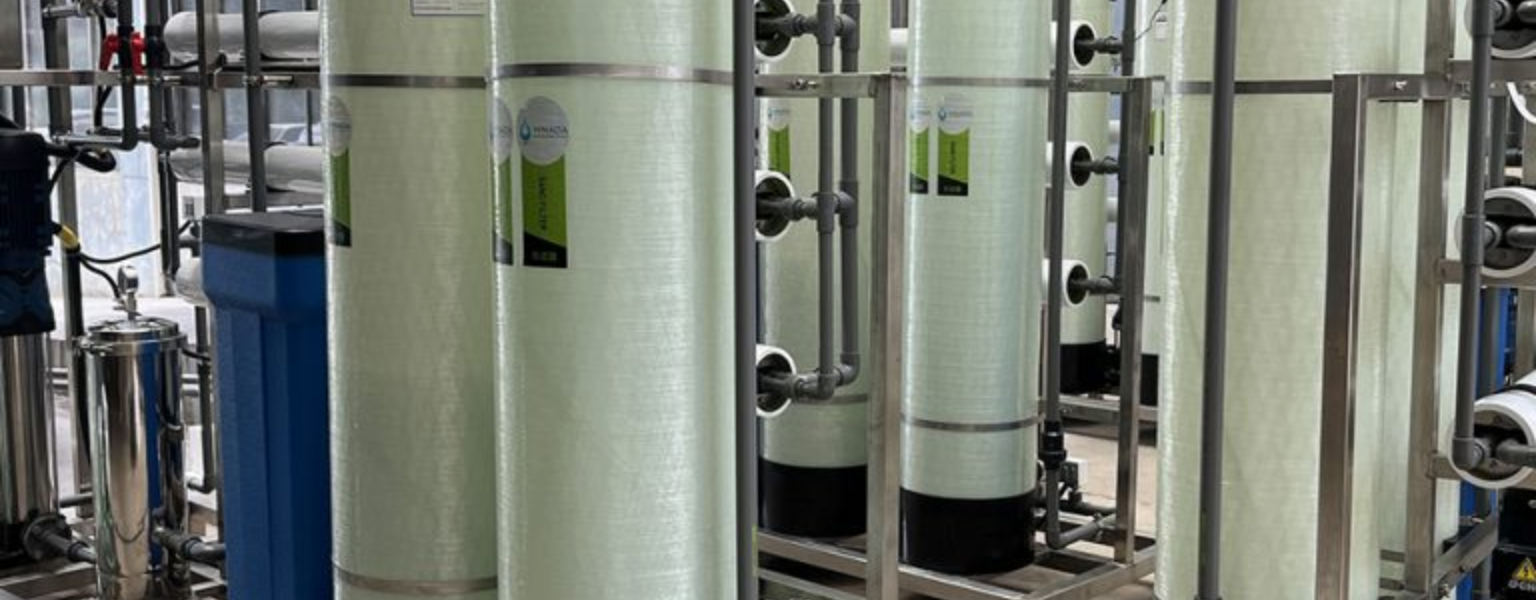
A whole-house system filters water at the point it enters your home. Instead of treating only the water at your kitchen sink, it treats every tap, every shower, every load of laundry. From the hose outside to the bathroom upstairs, everything flows through a central filtration system first.
It’s a different philosophy. Rather than targeting just drinking water, it addresses overall water quality across the entire house.
And that shift matters more than people often realize.
The First Thing People Notice
When water is filtered before it reaches fixtures, one of the earliest visible changes is improved water clarity. Glasses look cleaner. Ice cubes appear clearer instead of hazy. Even the water in your bathtub looks less dull under bathroom lights.
Clarity isn’t always about safety. Sometimes it’s about sediment — tiny particles of sand, rust, or debris that sneak into municipal lines or well systems. These particles aren’t necessarily harmful, but they can affect how water looks and feels.
Sediment filters within whole-house systems trap those particles before they circulate through your plumbing. The result? Cleaner-looking water and less grit collecting in faucet screens.
It’s subtle. But once you see the difference, you can’t unsee it.
More Than Just Drinking Water
One common misconception is that filtration only matters for what you consume. But water touches far more than your glass.
You shower in it. You wash your clothes in it. You rinse vegetables under it. Steam rises from it while you cook. When filtration happens at the source, it improves all of those interactions.
Chlorine reduction, for example, can make showers feel gentler on skin and hair. Hardness reduction (when paired with softening) can help prevent mineral buildup in pipes and appliances.
Suddenly, you’re not just drinking cleaner water — you’re living with it.
The Safety Conversation
It’s important to be realistic here. Municipal water systems are regulated and monitored. They meet safety standards in most regions. But “meeting standards” doesn’t always mean optimized for your home’s specific needs.
That’s why some homeowners explore filtration systems with home water safety in mind. Not out of panic — but out of caution.
Older plumbing systems, regional contaminants, or specific well-water concerns can influence water quality. A whole-house filtration setup can provide an added layer of reassurance, especially for families with children or individuals with sensitive skin.
Testing your water is always the smartest first step. It tells you what’s actually present and whether a comprehensive solution makes sense.
Protecting What You Can’t See
There’s another side to this conversation that rarely gets attention: infrastructure.
When sediment and impurities flow through your plumbing system unchecked, they can gradually contribute to wear and tear. Fixtures clog. Water heaters accumulate scale. Pipes experience additional strain.
By filtering water at the entry point, you reduce the burden on appliances and plumbing components. It’s preventative rather than reactive.
No one likes calling a plumber for an emergency repair. If better filtration can reduce that risk, it becomes more than a cosmetic upgrade.
Maintenance Isn’t Complicated
Whole-house systems sound complex, but most are designed with practical maintenance in mind. Filters typically need replacing every few months or annually, depending on usage and water quality.
It’s not a daily chore. It’s more like seasonal upkeep — manageable and predictable.
And compared to scrubbing scale from fixtures or replacing damaged appliances, it feels like a fair trade.
Is It Worth It?
That depends on your priorities and your water profile.
If your water already tastes clean and shows minimal sediment, a whole-house system might not feel urgent. But if you’ve noticed persistent cloudiness, odors, or mineral buildup, it’s worth investigating.
The beauty of whole-house filtration is its comprehensiveness. Instead of solving one symptom at a time — a filter here, a softener there — you address the root source.
It’s a foundational upgrade.
A Quiet Shift in Daily Life
After installation, something interesting happens: you stop thinking about it.
You turn on the tap without hesitation. You shower without noticing chlorine in the steam. You rinse dishes without seeing cloudy streaks afterward.
The change isn’t loud or dramatic. It’s steady. Subtle. Comforting.
Water is one of the few things in your home that touches nearly every aspect of daily life. Improving it doesn’t require a complete renovation. Just thoughtful evaluation and the right system for your situation.
In the end, whole-house filtration isn’t about chasing perfection. It’s about creating a home environment where the basics — the things you rely on every day — feel reliable and clean.
And once that foundation is in place, everything else flows a little more smoothly.