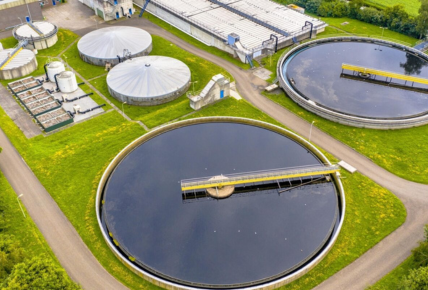

Let’s be real — no one looks at a mossy, frog-hopping pond and thinks, “Ah yes, my next glass of water.” But for many people across the globe, especially in rural or off-grid living situations, natural water bodies like ponds might be the most accessible source of hydration. And while nature provides, it also… contaminates. So, how do we safely filter pond water for drinking without relying on bottled water or municipal taps? Let’s dig in.
When a Pond Is the Only Option
There’s a unique kind of beauty in living close to nature — waking up to birdsong, growing your own food, and yes, sourcing water from nearby ponds or lakes. But beauty doesn’t always equal safety. Pond water is often teeming with microorganisms, parasites, algae, and runoff pollutants from nearby lands. Drinking it straight? A fast track to a stomach disaster. Still, with the right approach, you can make it clean, clear, and completely drinkable.
And no, this doesn’t mean boiling it over a campfire every single time. There are smarter, more sustainable methods.
Understanding What You’re Up Against
First off, it’s important to understand that not all contaminants are created equal. Pond water might contain:
- Sediment and organic matter
- Bacteria like E. coli
- Protozoa such as Giardia and Cryptosporidium
- Algae and mold
- Chemical pollutants from pesticides or industrial runoff
Some of these are visible — like green scum or floating twigs. Others? Totally invisible but potentially deadly. That’s why simply skimming the surface or letting the water “settle” isn’t nearly enough when you’re treating water for drinking.
The First Layer: Physical Filtration
Before we even get to purification, you need to get rid of the gunk. A physical filter, like a cloth or coffee filter, can help remove larger particles like dirt, bugs, or plant matter. This won’t make the water safe on its own — but it’s a necessary first step.
A homemade trick? Cut the bottom off a plastic bottle, fill it with layers of gravel, sand, and charcoal. Let the pond water drip through. It’s a crude, yet surprisingly effective, pre-filtering method.
Bringing in the Big Guns: Multi-Stage Filtration Systems
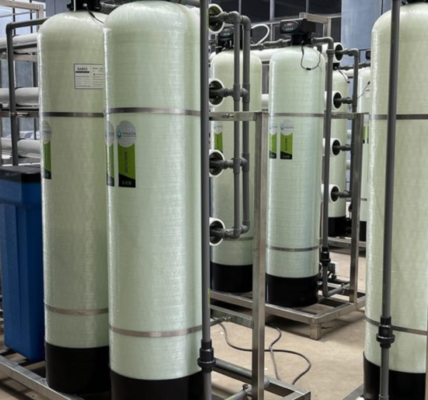
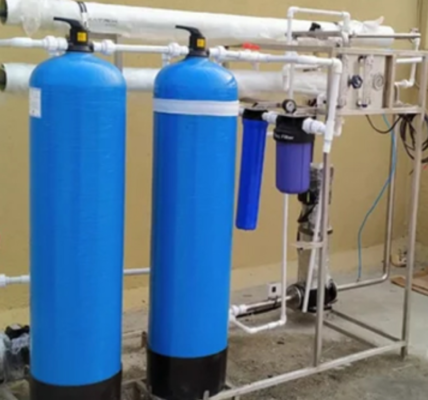
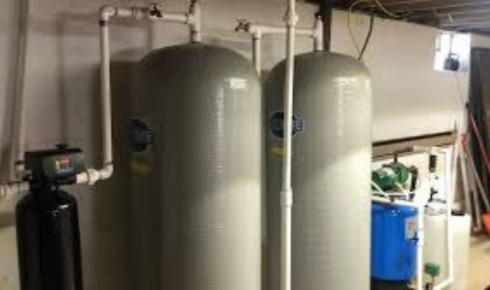
Now we’re getting serious. To filter pond water for drinking, you’ll need a more advanced solution — ideally, a multi-stage filtration system. These often include:
- Sediment filters to catch the dirt and rust
- Activated carbon filters to reduce odors, chemicals, and organic contaminants
- Ceramic filters that trap bacteria and protozoa
- UV light or chlorination for final disinfection
For off-grid setups, gravity-fed filtration systems like the Berkey or Lifestraw Community units are excellent. No electricity needed, and they’re built to deal with the kind of nastiness ponds tend to harbor.
What About Boiling?
Ah, the age-old remedy. Boiling does kill most pathogens, no doubt. But it won’t remove chemicals or heavy metals — and let’s be honest, it’s not always convenient or energy-efficient, especially in large volumes. Think of boiling as a good backup or an emergency fix, not your everyday solution.
Don’t Forget Maintenance
Having a system in place is half the battle. The other half? Keeping it clean. Filters clog. UV bulbs fade. Charcoal loses effectiveness. Regularly flushing, scrubbing, or replacing parts of your system ensures that the water coming out is just as clean as it was the day you installed it.
Pro tip: mark filter change dates on your calendar. Future-you will thank present-you.
Natural Alternatives: Is It Worth the Risk?
Some survivalists swear by natural methods — like using moringa seeds to settle particles or solar disinfection (leaving clear bottles in the sun for hours). These can be useful in emergencies or as supplemental techniques, but relying solely on them isn’t ideal if you’re sourcing water for drinking regularly from a pond.
They can reduce visible turbidity and even kill some bacteria, but they’re no match for chemical contaminants or more resilient pathogens.
Choosing the Right Pond Filter
It’s easy to get lost in the weeds (pun intended) when choosing a pond filter. Many systems are designed for koi ponds or decorative water features — meaning they keep the water clear for fish, not necessarily safe for people. Be sure to choose filters rated for potable (drinkable) water, especially ones that are NSF/ANSI certified.
Some outdoor or camping filters might look compact and handy but don’t handle chemical pollutants well. Always research your specific needs based on the pond’s condition, location, and surrounding environment.
Real Talk: Is Pond Water Ever Truly Safe?
Here’s the thing — yes, it can be. But it takes effort, knowledge, and the right equipment. And even then, regular testing is wise. Home water testing kits can help detect pH, bacteria, and nitrates, giving you peace of mind (or a heads-up if something’s gone wrong).
If you’re planning to rely on pond water long-term — say, on a homestead or cabin property — consider combining multiple methods: a reliable pond filter, UV disinfection, and occasional lab testing. That’s a recipe for sustainability and safety.
Final Sip
Pond water might not look appealing at first glance, but it doesn’t have to be off-limits. With the right techniques, tools, and a bit of dedication, it can become a viable, even reliable, source of hydration. Whether you’re prepping for emergencies, living off-grid, or just exploring natural solutions, remember: clarity doesn’t always mean purity, and purity doesn’t have to come in a plastic bottle.
So next time you’re eyeing that still pond and wondering if it’s drinkable — the answer is yes, but only if you treat it with the respect (and filters) it deserves.
Stay safe, stay hydrated — and filter wisely.