
Water — it’s easy to take for granted. You turn on the tap, it’s there. Clean, clear, dependable. But behind the curtain, there’s a mounting crisis. From aging infrastructure to climate-driven droughts and overuse, our global water system is under pressure like never before. What used to be a background utility has now stepped into the spotlight, demanding attention, innovation, and, more than anything, responsibility.
This isn’t some faraway issue reserved for environmental documentaries or policy debates. It’s personal. It’s local. It’s now. And if we care about the future—of our communities, our economies, our health—it’s time to get serious about how we source, treat, and use water.
From Scarcity to Strategy
Here’s a number that hits hard: over 2 billion people live in water-stressed countries. And it’s not just the developing world. California, Spain, South Africa—all have faced serious drought conditions in the past decade. And it’s getting worse, not better.
The solution? Not just finding more water. It’s about using what we have—smarter.
Sustainable water systems are shifting the way we think. They prioritize reuse, recycling, and local sourcing. It’s not just about conserving gallons; it’s about reengineering the entire approach. Think rainwater harvesting. Greywater reuse. Smart irrigation. These aren’t buzzwords anymore; they’re baseline essentials.
The Hidden Cost of Convenience
Let’s be honest—we’re a convenience-driven society. We like our bottled water, our pressure showers, our automatic sprinklers. But here’s the tradeoff: convenience, unchecked, costs. Not just money, but resources. Ecosystems. Lives.
Take the bottled water industry. It’s a $300 billion market. Yet most bottled water is just filtered tap water sold at a 2,000% markup—and it generates millions of tons of plastic waste annually. All for what? The perception of purity?
This isn’t about guilt-tripping. It’s about awareness. Awareness creates choice. And choice opens the door to change.
Where the Real Pros Come In
For homeowners, businesses, and municipalities trying to do better, the space is cluttered. Promises are everywhere: “Eco-friendly this,” “green-certified that,” “zero-impact everything.” Sorting fact from fluff can feel like a full-time job.
That’s where companies like Clean H20 Pros are making waves—pun fully intended. They’re not just another water filtration brand. They work with a mission rooted in transparency, education, and long-term value. Whether it’s helping a suburban family install a whole-house filter or guiding a new development toward net-zero water usage, they don’t just sell—they support, guide, and partner.
Water solutions aren’t one-size-fits-all, and Clean H20 Pros get that. What makes sense for a California vineyard won’t work for a New Jersey condo. The real innovation? Listening before prescribing.
The Evolution of Water Treatment
Let’s talk tech for a moment—not the flashy kind with apps and flashing lights, but the quiet revolutions changing how water is cleaned and reused.
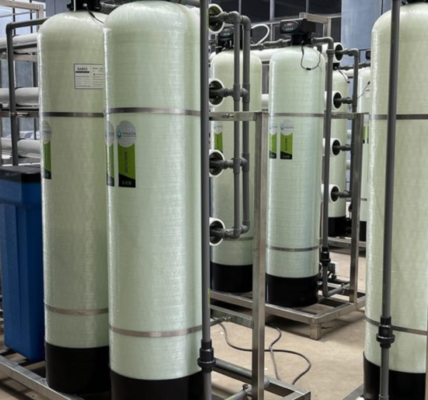
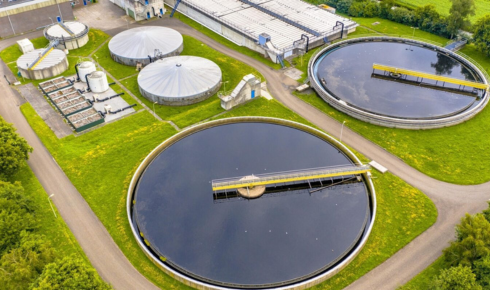
Modern water treatment isn’t about just chlorine and filters anymore. We’re talking about membrane bioreactors, UV disinfection, and nanotechnology. Some cities are experimenting with “toilet to tap” systems, where wastewater is treated to drinking standards—a concept that initially grosses people out until they realize it’s cleaner than what they get from some aging municipal systems.
More importantly, this technology is getting smarter. AI and IoT sensors are enabling real-time monitoring, predicting failures before they happen, adjusting flow rates based on usage patterns, and optimizing chemical dosing for minimal waste. It’s not science fiction—it’s happening now.
And it’s not just for cities. Home systems are seeing similar innovation. Smart leak detection, app-controlled purifiers, and systems that adapt to local water quality levels are making sustainable solutions more accessible than ever.
What You Can Do (Without Breaking the Bank)
Sustainable water practices aren’t just for eco-warriors or wealthy homeowners. Everyone can play a part—and it doesn’t have to be complicated.
Start simple:
- Fix leaky faucets and running toilets. A single drip can waste 3,000 gallons a year.
- Install low-flow showerheads and aerators. You won’t even notice the difference—until your water bill drops.
- Collect rainwater for your garden. Plants love it more than treated tap anyway.
- Choose native or drought-resistant landscaping. It’s beautiful and low-maintenance.
- Be mindful of what goes down your drain. Harsh chemicals disrupt treatment processes and pollute groundwater.
These aren’t sacrifices. They’re smart shifts. Small, repeated actions that ripple into bigger impacts.
Water Is Not Just a Resource. It’s a Right.
This is where the conversation gets real. Water access is deeply tied to equity. While some debate the cost of installing a water softener, others walk miles just to find a drinkable source. That disparity isn’t just unfair—it’s unacceptable.
As we talk about smart homes and sustainable tech, we also have to champion policies and partnerships that ensure everyone—regardless of income or location—has access to safe, reliable water.
The goal isn’t just sustainability. It’s justice.
A Look Ahead: From Risk to Resilience
So, where does all this leave us?
We’re at a crossroads. One path continues the same—short-term fixes, blind overuse, and the illusion of endless supply. The other demands more of us. More awareness. More intention. More innovation. But it offers something priceless in return: resilience.
Resilient communities. Resilient ecosystems. Resilient futures.
Choosing sustainable water solutions doesn’t mean giving things up. It means gaining something deeper—security, health, and the confidence that we’re doing right by future generations.
The journey doesn’t start with politicians or tech giants. It starts at home—with the choices we make every day.
Final Thoughts
If there’s one takeaway here, let it be this: water is not someone else’s problem. It’s all of ours. And that means the responsibility—and the opportunity—is shared.
We can’t wait for perfect solutions or sweeping reforms. We can start now. With smarter habits, better tools, and companies like Clean H20 Pros showing us what practical sustainability really looks like.
Because at the end of the day, when the well is dry, we’ll know the worth of water—not just in cost, but in life.