Is Your Home’s Water as Clean as You Think? A Calm, Practical Look at Testing and Peace of Mind

Most of us don’t question our water until something nudges us to.
Maybe it’s a faint metallic taste. Maybe it’s cloudy water after a heavy storm. Or maybe it’s just a passing thought while filling a glass for your child: I hope this is okay.
Water feels invisible because it’s constant. It flows through pipes, runs through appliances, and shows up in nearly every daily routine. We trust it. And most of the time, that trust is justified.
But occasionally, curiosity creeps in. And that curiosity isn’t paranoia—it’s responsibility.
Why Questions About Tap Water Are Normal
Public water systems are regulated and monitored. Municipal reports outline treatment processes and contaminant levels. That’s reassuring.
Still, water doesn’t magically teleport from the treatment plant into your glass. It travels—sometimes through aging infrastructure, sometimes through plumbing that’s decades old.
That’s where home water concerns often originate. It’s not about distrusting the city. It’s about recognizing that what enters your neighborhood might not be identical to what exits your faucet.
Different homes, different pipes, different conditions.
Add seasonal shifts, heavy rainfall, construction work, and groundwater fluctuations into the mix, and it becomes clear that water isn’t static. It changes over time.
Understanding that doesn’t mean something is wrong. It just means awareness matters.
Signs That Might Prompt a Closer Look
There are subtle signs that encourage people to think about water quality:
- Persistent staining in sinks or bathtubs
- A chlorine-like odor that seems stronger than usual
- Cloudy appearance that takes time to clear
- Dry skin after showering
- Old plumbing systems
These clues don’t automatically indicate a safety issue. Often, they point to mineral content or harmless cosmetic concerns.
But sometimes, they inspire homeowners to take the next step—testing.
And testing is about clarity, not alarm.
Understanding Your Options
There are several testing methods available, each suited for different situations.
At-home kits are the most accessible option. They’re affordable, easy to use, and can measure things like hardness, pH levels, chlorine, and certain metals. They offer a quick snapshot.
Professional laboratory testing goes deeper. It can detect trace contaminants, bacteria, nitrates, and more specific chemical compounds. This route is often recommended for well water users or homes with aging plumbing.
Neither approach is excessive. They simply serve different purposes.
Choosing the right method depends on what you want to know—and how detailed you need the answer to be.
Municipal Water vs. Well Water
If your home relies on municipal water, testing can provide reassurance that nothing has changed inside your own plumbing system.
If you use well water, regular testing becomes more critical.
Private wells aren’t monitored by public authorities. Responsibility rests entirely with the homeowner. Annual testing for bacteria and nitrates is generally advised. Additional testing may be necessary after heavy storms or flooding.
In those cases, safety water testing isn’t optional—it’s proactive maintenance.
Even when results come back clear, the reassurance is valuable.
What Happens If Something Is Detected?
Let’s say you test your water and discover elevated mineral levels.
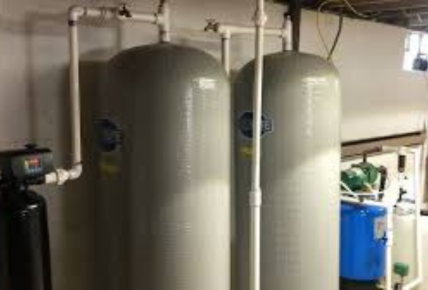
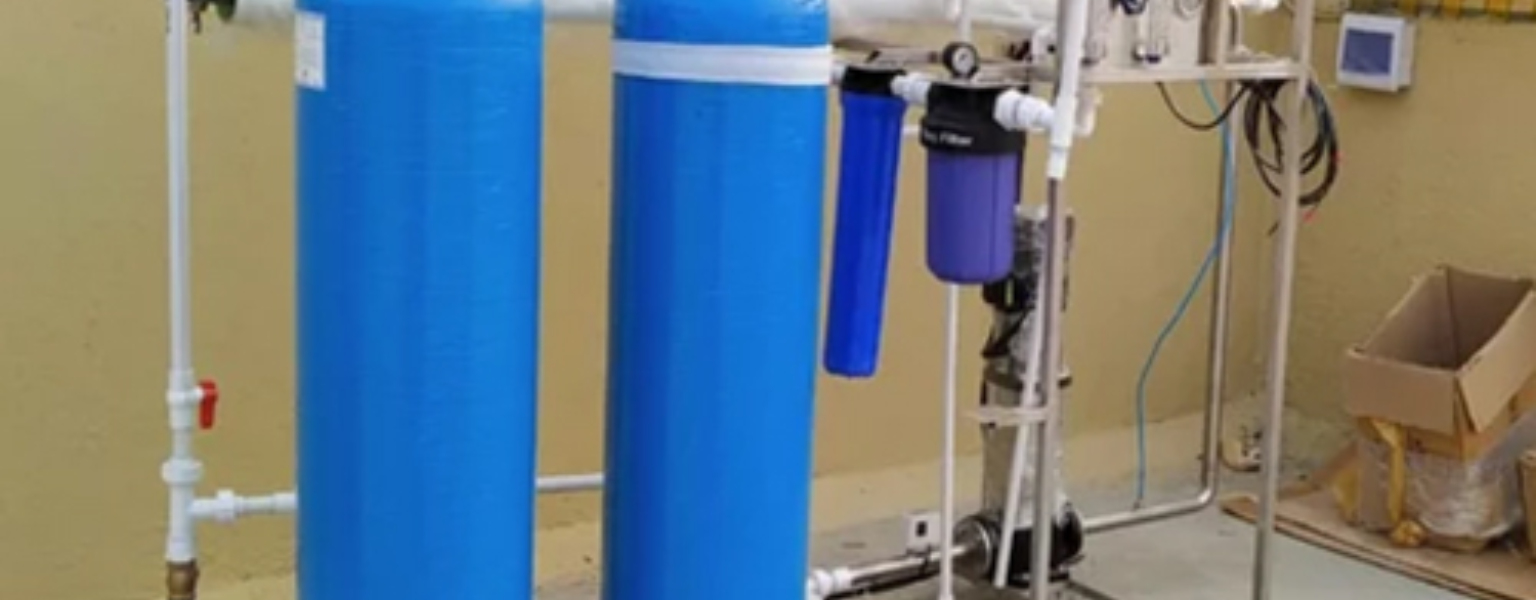
That’s typically a comfort issue, not a health threat. A water softener might help reduce scaling and improve soap performance.
If chlorine levels are high, a carbon filtration system can address taste and odor.
If more serious contaminants appear—like lead or bacteria—targeted solutions exist. Often, simple plumbing adjustments or point-of-use filters resolve the issue effectively.
The key is responding proportionally.
Testing isn’t about worst-case scenarios. It’s about informed decisions.
Why Peace of Mind Matters
Water is deeply personal.
It hydrates your body. It cooks your meals. It rinses your produce. It fills your coffee pot each morning.
When you’re confident in its quality, you don’t think twice. When you’re uncertain, even slightly, that doubt lingers.
Testing eliminates guesswork.
Sometimes the results confirm everything is perfectly fine. That’s often the case. But having data replaces speculation.
And speculation can quietly erode confidence.
Testing Isn’t a One-Time Event
Water quality can shift over time. Infrastructure ages. Environmental factors fluctuate.
Periodic testing—every few years for municipal users, annually for well owners—keeps you informed.
It’s similar to checking smoke detectors or servicing your HVAC system. Not urgent. Not dramatic. Just part of responsible homeownership.
Small habits prevent bigger problems.
Avoiding Overreaction
It’s important not to approach water testing with fear.
News headlines can amplify isolated incidents, making rare situations feel universal. Most tap water in developed regions meets safety standards consistently.
Testing isn’t about assuming the worst. It’s about verifying reality.
Think of it like routine blood work at a doctor’s office. You don’t expect a problem—you simply confirm everything is functioning as it should.
That perspective keeps things balanced.
The Everyday Impact
Water flows through your home daily, quietly supporting your routines.
You don’t need to obsess over it. But acknowledging its importance is reasonable.