
Most of us don’t think about water until we’re thirsty.
We grab a glass between meetings. We refill a bottle at the gym. We sip while cooking dinner. It’s automatic — almost invisible in our routine. And yet, water is the one thing we consume more consistently than anything else.
That’s why it’s worth pausing for a moment and asking a simple question: how good is the water you’re drinking every day?
Not in a dramatic, alarmist way. Just honestly.
Because when you really pay attention, you realize water shapes your energy, your focus, even your habits.
The Quiet Influence of What’s in Your Glass
Water may look clear, but what it carries varies widely depending on where you live. Municipal water is treated to meet safety standards. Well water reflects local geology and environmental conditions. Both can be perfectly safe — but still differ in taste, mineral content, and residual additives.
Some people notice a faint chlorine smell. Others taste a slight metallic edge. A few simply feel their tap water isn’t as refreshing as it could be.
When you improve the quality of what you’re drinking — whether through filtration, testing, or source changes — you’re not chasing perfection. You’re moving toward healthier water that supports your body more consistently.
That shift doesn’t have to be extreme. Sometimes it’s as simple as adding a reliable under-sink filter or replacing cartridges regularly. Small adjustments can elevate something you use every single day.
And daily habits matter more than occasional upgrades.
Taste Changes Behavior
It sounds almost trivial, but flavor drives consistency.
If water tastes flat or chemical-heavy, you’re less likely to reach for it. If it’s crisp and neutral, you drink more without thinking.
That’s where improved taste becomes more than a marketing phrase. It’s behavioral psychology.
When water feels clean and refreshing, you naturally increase your intake. You might skip soda more often. You may refill your bottle before leaving the house. Your kids may stop resisting plain water at dinner.
Taste influences hydration in ways we rarely acknowledge.
It’s not about luxury. It’s about making the healthy choice the easy choice.
Hydration Is More Than a Trend
You’ve probably heard the advice: drink more water.
It’s repeated in fitness circles, workplace wellness programs, and social media threads. But hydration isn’t a fad. It’s foundational.
Consistent daily hydration supports digestion, circulation, mental clarity, and energy levels. It’s not dramatic. It’s steady.
The problem is, many of us underhydrate without realizing it. We rely on coffee or sugary drinks. We wait until we’re already thirsty. We forget to refill.
When your water tastes good and feels trustworthy, you remove one of the biggest barriers to drinking enough of it.
Hydration becomes automatic rather than intentional.
And that’s when it sticks.
Filtration as a Practical Upgrade
If you’re looking to enhance your water quality, start with information.
Municipal water reports are publicly available. Well owners can order professional testing. Even affordable home kits offer insight into hardness, chlorine levels, and total dissolved solids.
Once you understand what’s present, choosing a filtration system becomes straightforward.
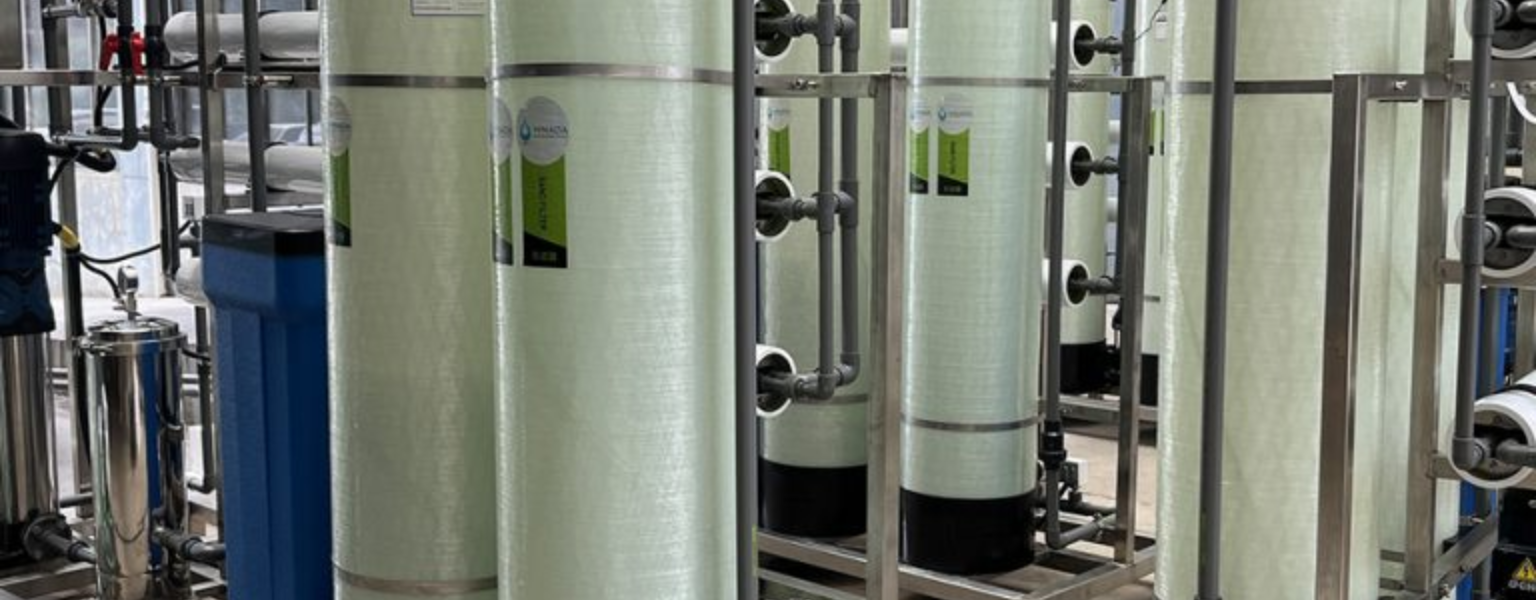
Activated carbon filters reduce chlorine and certain organic compounds. Reverse osmosis systems target dissolved solids more aggressively. Whole-house systems address sediment and residual chemicals at the entry point.
The right choice depends on your priorities.
If your main concern is drinking water quality, a point-of-use system under the kitchen sink might be enough. If you’re noticing issues throughout the home — dry skin, scale buildup — additional solutions may be appropriate.
There’s no universal answer. Just informed decisions.
It’s Not About Fear
One of the biggest misconceptions around water improvement is that it’s driven by panic.
It doesn’t have to be.
Most tap water meets safety standards. Improving it is about refinement, not emergency response.
Think of it like upgrading from standard coffee to freshly ground beans. Both work. One simply tastes better.
When water aligns with your expectations — in clarity, flavor, and consistency — it fades into the background in the best possible way.
You stop questioning it. You just use it.
Small Changes, Lasting Impact
Improving water quality won’t transform your life overnight. But it can subtly improve your routine.
You drink more consistently. You rely less on bottled water. You feel more confident about what you’re consuming.
Those small shifts accumulate.
Over months and years, they contribute to overall wellness — not through dramatic claims, but through everyday consistency.
And consistency is what builds health.
Final Thoughts
Water is the simplest thing in your kitchen — and maybe the most important.
It doesn’t need to be complicated. It just needs to be clean, pleasant, and reliable.
When you take a moment to evaluate your water quality and make thoughtful adjustments, you’re investing in something foundational.