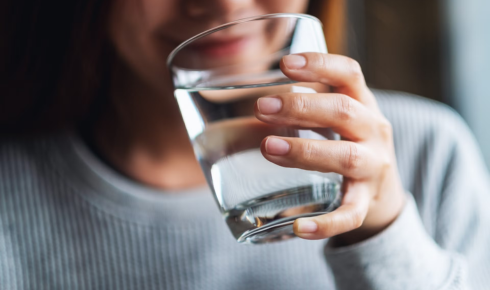
We talk a lot about health these days. Superfoods. Supplements. Step counts. Morning routines that promise clarity and focus. But quietly, consistently, there’s one habit that underpins all of it — and most of us barely think about it.
Water.
Not the kind in a branded bottle with a mountain on the label. Just the water that flows from your tap, fills your kettle, swirls into your coffee, and sits in the glass beside your bed at night.
It’s ordinary. And that’s exactly why it matters.
The Subtle Shift Toward Better Water
For many people, the decision to improve their water starts small. Maybe you notice a faint chlorine smell. Maybe the taste feels slightly metallic. Or maybe you simply realize that if you’re drinking several glasses a day, it’s worth making sure that water is as good as it can be.
The idea of healthier water isn’t about paranoia. It’s about refinement.
Modern municipal systems do a solid job of making water safe. But “safe” and “optimal” aren’t always the same thing. Chlorine, while necessary for disinfection, can linger in taste and odor. Aging pipes can introduce trace elements you’d rather not think about.
Simple filtration — whether through a carbon filter or more advanced systems — can reduce unwanted compounds and improve overall quality. Not in a dramatic, flashy way. Just in a steady, reassuring one.
And that reassurance has value.
Taste Changes Behavior More Than You Realize
Here’s something interesting: when water tastes better, people drink more of it.
It sounds obvious, but it’s easy to overlook. If your tap water has a slight edge — a bitterness, a chemical hint — you might unconsciously reach for soda, juice, or bottled alternatives instead.
Filtration systems often lead to improved taste, and that seemingly small upgrade can shift daily habits.
Coffee becomes smoother. Tea tastes cleaner. Even plain water feels lighter on the tongue.
You might not notice the difference immediately. But over a few weeks, you’ll find yourself refilling your glass more often without thinking about it.
And that’s where real change begins — not with discipline, but with preference.
Hydration Isn’t Just a Buzzword
We’ve all heard the advice: drink more water.
But hydration isn’t just about hitting an arbitrary number of ounces. It’s about consistency. It’s about reaching for water naturally throughout the day.
When your tap water is something you genuinely enjoy, daily hydration becomes effortless.
You don’t need reminder apps. You don’t need fancy bottles with motivational time markers. You simply drink because it feels good to do so.
That steady intake supports energy levels, concentration, skin comfort, and overall well-being. It’s foundational.
And it’s surprisingly easy to overlook.
The Kitchen as a Starting Point
For many households, upgrading water quality begins at the kitchen sink.
Under-sink filters are compact and efficient. They target chlorine, sediment, and certain organic compounds. Reverse osmosis systems go further, reducing dissolved solids and specific contaminants.
You don’t necessarily need the most advanced system available. The right choice depends on your local water profile.
Testing is a smart first step. It provides clarity on hardness levels, chlorine content, and other factors.
Once you know what you’re dealing with, choosing a system becomes less about marketing claims and more about practical alignment.
Beyond Drinking: A Ripple Effect
Better water doesn’t stop at your glass.
Cooking with filtered water can subtly enhance flavors. Ice cubes freeze clearer. Even soups and sauces taste cleaner when they’re not influenced by chlorine or excess minerals.
These changes are quiet. They don’t demand attention.
But they accumulate.
Over time, you begin to associate your home with that sense of clean, neutral refreshment.
The Environmental Angle
There’s also a practical benefit to improving tap water quality: reduced reliance on bottled water.
When your tap delivers water you enjoy, those cases of plastic bottles become unnecessary.
That means less waste, fewer store trips, and long-term savings.
It’s not about perfection. It’s about making better choices easier.
Maintenance and Realistic Expectations
Any filtration system requires upkeep. Filters need replacing. Membranes need periodic servicing.
But modern systems are designed for simplicity. Most maintenance tasks are straightforward and infrequent.
The key is consistency. A neglected system can’t deliver the benefits you expect.
Set reminders. Treat it like changing HVAC filters or smoke detector batteries. Routine care keeps results steady.
A Different Kind of Health Investment
We often think of health investments as gym memberships or supplements.
But water is something you consume every single day.
Improving its quality isn’t dramatic. It won’t show up in a flashy before-and-after photo.
Yet it influences your habits, your hydration, and your overall comfort more than most upgrades.
And perhaps that’s the point.
Final Thoughts
Water is easy to overlook because it’s constant. But once you pay attention, you realize how central it is to your routine.
Upgrading your water isn’t about chasing trends or eliminating every possible impurity. It’s about refinement — making something essential just a little better.