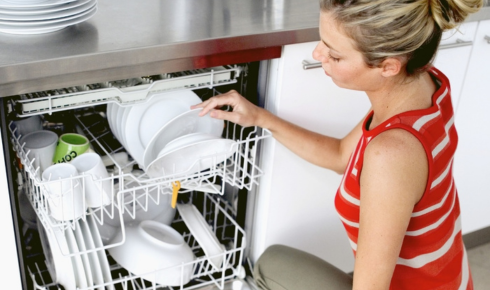
There’s something deeply satisfying about pulling warm, spotless dishes out of the dishwasher. It’s one of those little modern luxuries that saves time, preserves your sanity, and keeps the kitchen running like a well-oiled machine. But what happens when the magic fades? When your trusty appliance starts acting up, leaving your plates grimy and your silverware spotty?
That’s when most of us spiral into mild panic—or worse, start washing everything by hand again (ugh). But before you give up on your dishwasher completely, let’s take a relaxed, real-world walk through how to understand the problem and maybe even fix it — or at least know when to call in the cavalry.
The Unseen Hero in Your Kitchen
Let’s face it: dishwashers are one of the least glamorous appliances in your home, but they pull a lot of weight. They operate quietly in the background, handling after-dinner cleanup like a champ. Until they don’t. And suddenly, you’re Googling things like “weird dishwasher noises” or “why does my dishwasher smell like a wet dog?”
Before we get into fixes, it’s worth recognizing how complex these machines are. Your average unit contains multiple motors, pumps, valves, sensors, and heating elements. So, if it’s acting up, it doesn’t mean it’s ready for the scrap heap. It might just be overdue for some love.
When to Consider Appliance-Level Repair
Let’s talk breakdowns. You might notice the dishwasher door won’t close right. Or maybe it fills up but never drains. Or—worst of all—it runs a full cycle and the dishes are still dirty. These aren’t just quirks. These are signs it’s time to look into appliance dishwasher repair.
Now, don’t get scared by the word “repair.” Sometimes it’s as easy as replacing a clogged filter or a worn-out gasket. Other times, you may need a technician to test the pump motor or check the water inlet valve. What matters is acting early. Waiting weeks or months while the dishwasher struggles through cycles only makes things worse — and more expensive.
Don’t Underestimate the Power of Routine Service
Here’s something I learned the hard way: dishwashers aren’t “set-it-and-forget-it” machines. They need occasional care. Not deep cleans every weekend, but some light checkups now and then. A simple vinegar rinse, checking for food buildup, inspecting the spray arms — these things make a world of difference.
For many families, it helps to schedule a residential dishwasher service once a year. A certified technician can spot early warning signs that we’d never catch. Think of it like going to the dentist — a little attention now saves you pain later. Plus, it keeps the machine efficient and your dishes sparkling.
The Art (and Frustration) of Troubleshooting
Let’s talk real life: your dishwasher’s acting up, and you don’t want to call anyone yet. That’s where a little dishwasher troubleshooting goes a long way. No fancy tools required—just a flashlight, a YouTube video or two, and some common sense.
First, check the filter. It’s usually at the bottom and, honestly, kind of gross. If it’s clogged, it could be the reason your dishes come out worse than they went in. Next, inspect the spray arms. Can they spin freely? Are the holes blocked by gunk or mineral deposits?
Also, peek at the drain hose. If water isn’t draining properly, the hose might be kinked or blocked. If your unit smells funky, check the door seal and clean around the edges. It’s amazing how much residue builds up in those forgotten corners.
Still nothing? Then it’s time to admit defeat (for now) and call in a pro. No shame in that. You tried.
When Repairs Are Worth It (And When They’re Not)
Now comes the tough call: is it worth fixing, or should you just buy a new one? That depends on a few things — age, brand, condition, and repair cost. If your dishwasher is less than seven years old and the issue is minor (like a broken latch or a clogged inlet valve), repairs almost always make sense.
But if you’re looking at replacing a control board or dealing with rusted parts on an old machine, it might be time to say goodbye. Rule of thumb: if repairs cost more than 50% of a new unit, start shopping.
That said, don’t rush. A little research, a second opinion, or even a temporary fix might stretch your current dishwasher’s life by another year or two.
Final Thoughts: Be Kind to Your Dishwasher
I’ll be honest — for years, I didn’t think twice about my dishwasher. I slammed it shut, overloaded the racks, used the cheapest detergent, and never once cleaned the filter. And it worked. Until it didn’t.
Now? I’m a little more mindful. I scrape dishes (but don’t rinse — modern dishwashers hate that). I run a cleaning cycle monthly. And I don’t wait until it’s totally dead to show it some attention.