Let’s face it—heating and cooling systems have never exactly been the stuff of cocktail conversation. Most of us just want them to work without costing an arm and a leg. But lately, something’s shifting. With rising energy bills, unpredictable weather patterns, and a collective urge to be a little kinder to the planet, people are starting to look beneath the surface—literally.
Enter geothermal HVAC.
It’s not the flashiest tech on the block. It doesn’t hum with futuristic flair or connect to your smart fridge to order oat milk. But it is quietly redefining comfort, efficiency, and sustainability. Whether you’re running a bustling business complex or cozying up in a two-bedroom home, geothermal systems are rewriting the rules of climate control.
Let’s dig into why.
A Different Kind of Heat
When you crank up the thermostat, you’re probably drawing on electricity or gas—often generated by burning fossil fuels. That means emissions. That means cost. That means impact.
Geothermal HVAC, however, taps into the Earth itself. A few feet below the surface, the ground maintains a fairly consistent temperature year-round—warmer than the air in winter, cooler in summer. Geothermal systems take advantage of this natural thermal reservoir. A series of underground pipes—called a loop system—transfers heat between your building and the Earth, depending on the season.
It’s simple in concept, quietly brilliant in execution.
And it’s a cornerstone of sustainable hvac technology, the kind that marries efficiency with environmental responsibility. In an age where energy consumption is under the microscope, solutions that reduce carbon output and utility bills feel like small acts of rebellion in the best way.
Businesses Are Catching On
If there’s one thing business owners love, it’s saving money. If there’s another, it’s reliability. Geothermal systems offer both. That’s why commercial buildings, schools, and government facilities across the country are increasingly going underground.
Think about it: lower operating costs, reduced maintenance, fewer parts that break, and long-term energy savings? It’s a CFO’s dream. Plus, some governments sweeten the deal with tax credits and incentives.
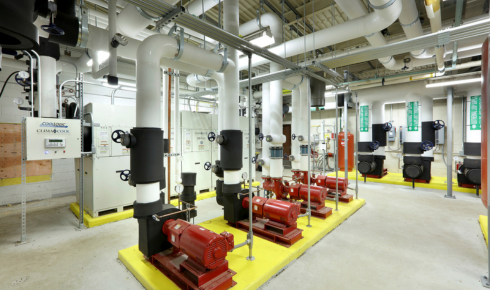
But it’s not just about dollars and cents. The modern customer, employee, or stakeholder cares about values. They want to know the companies they support are walking the sustainability talk. That’s where commercial geothermal systems shine—quietly but confidently ticking the boxes for environmental responsibility, operational efficiency, and long-term planning.
Homes That Whisper, Not Roar
Residential geothermal might sound like something reserved for high-end eco-cabins or celebrity retreats—but the reality is far more grounded. More homeowners are choosing geothermal to replace noisy, inefficient furnaces or power-hungry AC units. And yes, the up-front costs are higher, but over time? The payoff is undeniable.
Imagine a system that quietly keeps your home toasty in February and comfortably cool in July, all while trimming your energy bill and reducing your carbon footprint. That’s what residential geothermal solutions are offering.
No loud whoosh of air, no sudden blast of heat. Just a steady, subtle comfort you don’t think about—until it’s gone. That’s the kind of peace modern homes are built for.
But… Is It Really Worth It?
Let’s not sugarcoat it. Geothermal isn’t plug-and-play. It requires planning, a suitable plot of land, and that dreaded thing: upfront investment. But for those who can swing it, it’s a long-term love affair with efficiency.
Here’s what you’re buying into:
- Longevity: Geothermal systems often last 20–25 years indoors, and the ground loop? Up to 50 years.
- Lower Costs Over Time: Savings on heating, cooling, and even water heating can be significant—up to 70% in some cases.
- Quiet Operation: These systems hum softly, with no outdoor unit to disrupt your garden serenity.
- Eco-credibility: You’re reducing reliance on fossil fuels and slashing emissions.
So yeah, it’s not for everyone right now. But with advancing tech and improving incentives, the playing field is leveling.
Why It Feels More Human Than High-Tech
There’s something quietly poetic about geothermal HVAC. While tech headlines scream about artificial intelligence and Mars missions, geothermal just… works. It draws warmth from the Earth, returns what it borrows, and does it all without drama.
It doesn’t need updates. It doesn’t break every other winter. It’s the kind of infrastructure that just feels right in an age of constant digital noise and ecological anxiety.
And maybe that’s why it resonates with the moment we’re in. We’re all looking for something a little more grounded. Literally.
So, What’s Next?
Will geothermal become the default in every neighborhood by 2030? Probably not. But it’s gaining ground—both figuratively and literally. As climate-conscious construction becomes less of a trend and more of a baseline, expect to hear more about it in new builds, retrofits, and public projects alike.
And if you’re building a home or office soon? Don’t dismiss geothermal as a boutique solution for the wealthy or the weirdly obsessed with efficiency. Get a quote. Run the numbers. Ask your neighbors.
It might just be the most unassuming upgrade you ever make.
Final Thoughts: Comfort, Reimagined
Heating and cooling your space shouldn’t feel like a battle against nature. It should feel like a partnership. Geothermal systems don’t conquer the environment—they collaborate with it. And in doing so, they redefine what comfort can look like: quiet, reliable, cost-effective, and kind.
It’s not flashy. It’s not loud. But it works.
And sometimes, that’s exactly what we need.