Category: Medical

  • The Delicate Art of Healing from Within: A Human Take on Modern Vascular Procedures

    The Delicate Art of Healing from Within: A Human Take on Modern Vascular Procedures

    It’s one thing to read about medical breakthroughs in a textbook, and another to experience their power firsthand — whether you’re a patient sitting nervously in a sterile hospital corridor or a loved one holding their breath outside the operating room. There’s something quietly heroic about the field of vascular medicine. It doesn’t always grab headlines, but its impact on everyday lives is undeniable.

    We often think of heart surgery or cancer treatment when we talk about life-saving interventions, but behind the curtain is an equally vital specialty — the kind that keeps your blood flowing smoothly through the highways and alleyways of your body. Let’s take a slower, more personal stroll through what’s really happening behind the clinical terms like “stent,” “angioplasty,” or “bypass.” There’s more heart in it than you’d think.


    A Shift in the Surgical Landscape

    Remember when surgery meant long hospital stays, long scars, and even longer recoveries? Not anymore. We’re in a time where the scalpel is no longer king — technology, precision, and minimal invasiveness are stealing the spotlight. And nowhere is this more evident than in endovascular procedures.

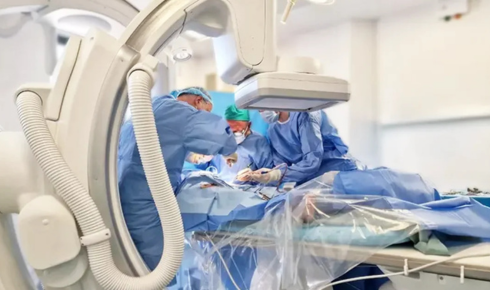
    Think of them as the quiet revolutionaries of the surgical world. Instead of opening up the body with large incisions, doctors thread tiny instruments through blood vessels using catheters and wires, often via a small puncture in the groin or wrist. With the help of imaging guidance, they perform complex treatments — removing clots, reinforcing weak arteries, rerouting blood flow — all without a traditional open surgery.

    Patients often walk out of the hospital the same day. There’s less pain, less risk, and faster healing. But don’t let the ease of recovery fool you — the precision and expertise required behind the scenes is nothing short of remarkable.


    Who Are the People Behind the Curtain?

    It’s easy to admire technology. But the real magic lies in the minds and hands that use it. That’s where vascular care specialists come into play.

    These are not your average doctors. They’re highly trained experts in diagnosing and treating conditions of the arteries, veins, and lymphatic system. From varicose veins to life-threatening aneurysms, they handle the plumbing of the body — the essential infrastructure of life itself.

    But here’s the thing that often goes unsaid: they’re also incredibly intuitive. They don’t just treat symptoms — they listen. They catch subtleties in how a patient describes leg pain or numbness. They know when a small ulcer on the foot could be the canary in the coal mine for something much bigger. It’s this blend of technical mastery and human observation that makes their work uniquely powerful.


    Beyond the Procedure: What Recovery Really Looks Like

    We love stories of transformation — the before-and-after, the triumphant returns. But healing isn’t always a straight line. In fact, the most significant part of vascular treatment begins after the procedure itself.

    Take, for instance, someone who undergoes a revascularization for peripheral artery disease. The physical blockage might be cleared, but what about the lifestyle that led there? Smoking, sedentary habits, untreated diabetes — all of these need addressing. That’s where real success lies: not just in treating the immediate issue, but in guiding long-term change.

    That’s also why follow-up care is critical. A one-time fix isn’t enough. Vascular health is dynamic. Blood vessels can narrow again. New issues can arise. Continuous check-ins, lifestyle coaching, and often lifelong medication management form part of the bigger picture. It’s not glamorous work — but it’s meaningful. And it saves limbs, mobility, and lives.


    Measuring What Matters: More Than Just Statistics

    Medical journals love to publish numbers. Mortality rates, complication percentages, readmission risks. But behind every data point is a human being — someone who wants to walk pain-free, play with their grandchildren, or simply sleep without discomfort. When we talk about improving surgical outcomes, we’re not just talking about charts or spreadsheets.

    We’re talking about quality of life. We’re talking about dignity.

    Better outcomes mean shorter hospital stays, yes — but they also mean fewer amputations, fewer missed days at work, more independence. They mean hope. And they mean less fear, both for patients and their families.

    Improvements in surgical outcomes come from innovation, yes, but also from empathy. A surgeon who listens. A nurse who checks in an extra time. A team that stays late to review a tricky case. These “intangibles” are rarely measured, but they’re often what tip the scale from a good outcome to a great one.


    Why It All Hits Home

    Maybe you’re reading this because you or someone you love is facing a vascular procedure. Or maybe you’re just curious. Either way, the message is simple: vascular medicine isn’t some cold, mechanical process. It’s deeply human.

    From the moment a diagnosis is made to the years of care that follow, this field is built on a quiet, steady kind of hope. It’s about giving people their lives back — one pulse, one breath, one step at a time.

    And the next time someone mentions “interventional radiology” or “arterial stenting” at a dinner party (hey, you never know), you’ll know there’s a deeper story behind those words. One filled with people, purpose, and possibilities.


    Final Thoughts: More Than Medicine

    We live in an era that celebrates quick fixes. But vascular health doesn’t follow that rhythm. It asks for patience, for collaboration, for trust between doctor and patient. It’s not just about mending what’s broken — it’s about reimagining how we care for ourselves.

    So if you’ve been putting off that check-up, or dismissing the leg cramps that show up on your evening walks — don’t. Listen to your body. Reach out. Ask questions. Let the experts help you catch things before they snowball.

    Because the beauty of this field lies not just in saving lives — but in restoring the freedom to live them fully.


    Let this be your gentle nudge — not just to appreciate the marvels of modern vascular medicine, but to remember the people behind it. The ones who guide, who mend, who truly care.

  • Understanding Common Dental Treatments For Every Family Member

    Understanding Common Dental Treatments For Every Family Member

    Taking care of your family’s dental health is essential. You face varied dental challenges at each life stage, from children to seniors. Seeking timely dental care helps address these issues efficiently. Pediatric visits focus on preventing tooth decay and learning good habits. Teens may need braces to ensure straight teeth. Adults often need treatments like fillings or crowns to maintain oral health. Seniors may require dentures for a full smile. Remember the importance of specialized care, too. For example, if sleep issues arise, a sleep apnea dentist in Memphis, TN, can provide valuable assistance. Regular checkups and cleanings make a difference for everyone. They prevent problems before they become serious. You gain confidence when your family maintains healthy smiles. Understanding these common dental treatments helps you make informed choices. So, take action. Prioritize dental health for every family member. A healthy smile means a healthy life.

    Pediatric Dental Care

    Your child’s first dental visit should happen by their first birthday. Early visits focus on preventing cavities and teaching good hygiene habits. No parent wants their child to suffer from tooth pain. Regular checkups help catch problems early. Sealants and fluoride treatments protect young teeth. Emphasize brushing twice daily and flossing regularly. Healthy baby teeth set the stage for healthy adult teeth.

    Teen Dental Care

    Teenagers often require braces or other orthodontic treatments. Straight teeth improve both oral health and self-esteem. Encourage teens to wear retainers as advised after braces. Wisdom teeth may also emerge and require removal to prevent crowding. Regular visits help monitor these developments. Teens should also continue with routine cleanings to maintain bright smiles.

    Adult Dental Care

    As an adult, your focus is on maintaining existing dental work. You may need fillings, crowns, or root canals to keep your teeth healthy. Sensitivity and gum recession become more common. Regular cleanings and checkups remain important. They help prevent gum disease and detect oral cancer early. Consider using a night guard if you grind your teeth. Prioritize your oral health to avoid more complex procedures later.

    Age GroupCommon Treatments
    ChildrenSealants, Fluoride Treatments
    TeensBraces, Wisdom Teeth Removal
    AdultsFillings, Crowns
    SeniorsDentures, Implants

    Senior Dental Care

    Seniors face unique dental challenges. Tooth loss is common, but options like dentures and implants restore function and appearance. Gum health becomes crucial to prevent disease and tooth loss. Regular visits help maintain oral health and monitor for signs of oral cancer. Dry mouth is common with age and certain medications. Stay hydrated and consult your dentist for solutions.

    Specialized Dental Treatments

    Sometimes, specialized care is necessary. If you snore or have sleep apnea, consult a sleep apnea dentist. They offer solutions that improve sleep and health. For cosmetic improvements, consider teeth whitening or veneers. These treatments boost confidence and enhance your smile’s appearance. Always discuss options with your dentist to determine what suits you best.

    Conclusion

    Maintaining oral health for your family involves understanding each member’s unique needs. From pediatric visits to senior care, recognizing the right treatments helps prevent issues. Regular dental visits are key. They ensure early intervention and avoid more extensive procedures. A healthy mouth contributes to overall well-being. Encourage everyone in your family to prioritize their dental health. A committed approach leads to a lifetime of confident, healthy smiles.